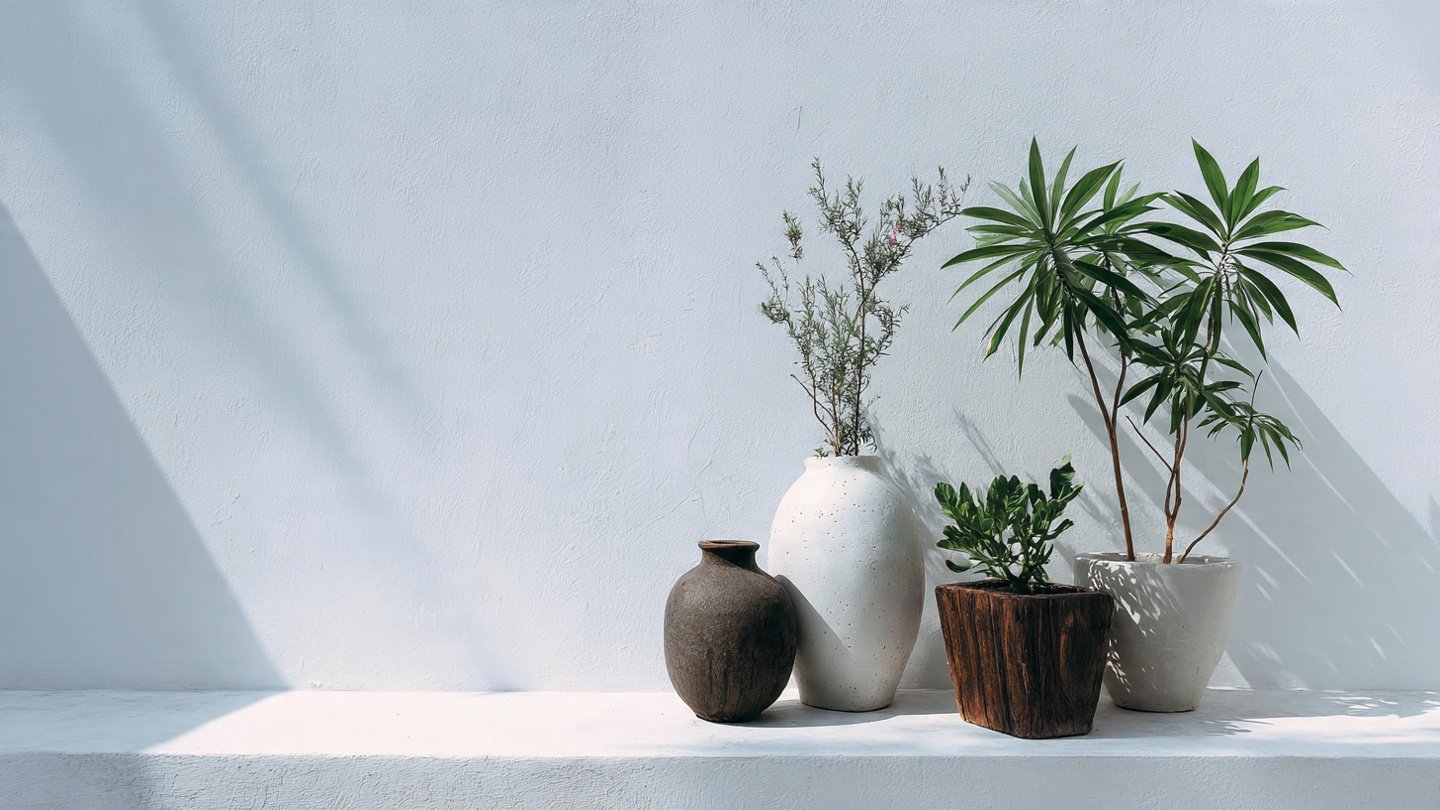
Minimalism is not just a trend; it is a lifestyle that emphasizes simplicity, functionality, and beauty. In interior design, a minimalist white aesthetic evokes a sense of calm and clarity, combining clean lines with spaciousness. Plants can enhance this aesthetic by adding life, texture, and a splash of natural color without overwhelming the simplicity of the design.
The Role of Plants in Minimalist Design
Incorporating plants into a minimalist space can serve multiple purposes: they purify the air, promote emotional well-being, and serve as focal points that draw attention without cluttering the environment. The choice of plants is crucial; the goal is to select species that harmonize with white hues and minimalist decor. Here are some plants that enhance a minimalist white aesthetic beautifully.
1. Snake Plant (Sansevieria)
The Snake Plant is a favorite among minimalist lovers. Its upright, sword-like leaves create a striking contrast against white walls. The architectural shape of the Snake Plant provides a sense of verticality, which is essential in spaces that lack physical decor. Additionally, it is nearly indestructible, requiring minimal care, making it an ideal choice for busy lifestyles.
2. ZZ Plant (Zamioculcas zamiifolia)

With its glossy, dark green leaves, the ZZ Plant brings a touch of elegance to minimalist interiors. Its smooth texture and structured silhouette make it a perfect companion for white furnishings. This plant thrives in low-light conditions and can adapt to various environments, emphasizing the minimalist principle of low maintenance. Moreover, its adaptability aligns well with the fluidity of minimalist design, allowing for flexibility in placement.
3. Fiddle Leaf Fig (Ficus lyrata)
The Fiddle Leaf Fig is known for its large, glossy leaves that can add a dramatic touch to any room. This plant serves as a focal point in minimalist spaces, drawing the eye while enhancing the overall aesthetic. When positioned near a window or in an airy corner, the Fiddle Leaf Fig radiates a natural beauty that softens the starkness of white decor. However, it requires more care than some other options, demanding adequate light and attention to thrive.
4. Pothos (Epipremnum aureum)
Pothos is a versatile plant that offers trailing vines that can cascade beautifully from shelves or hang in baskets. Ideal for a minimalist white aesthetic, Pothos adds a touch of softness and movement without overwhelming the space. The heart-shaped leaves can be found in various shades of green, including variegated options that bring lightness to an otherwise monochromatic palette. Plus, it’s a low-light plant that thrives on neglect, embodying minimalist ideals beautifully.
5. Monstera Deliciosa
The Swiss Cheese Plant, or Monstera Deliciosa, is characterized by its unique leaf perforations. This dramatic leaf shape and texture can create a beautiful interplay of light and shadow that enhances the minimalist aesthetic. Placing a Monstera in a vase or a simple pot allows it to thrive while maintaining a sense of restraint in your decor. It’s a statement plant, providing ample visual interest without cluttering the space.

6. Peace Lily (Spathiphyllum)
Peace Lilies are not only visually appealing; they also symbolize peace and tranquility. Their dark green leaves and striking white blooms offer a classic contrast that complements the minimalist white aesthetic beautifully. These plants do well in low light and require minimal care, but their elegant blooms can add a touch of sophistication to any room, creating a serene atmosphere.
7. Lavender
With its delicate, pale purple flowers and soothing aroma, Lavender is the perfect plant for a minimalist white aesthetic. Lavender not only enhances the look of a space but also adds a layer of sensory experience with its calming fragrance. When placed in a simple white pot, it blends seamlessly with minimal decor while adding a subtle hint of color.
8. String of Pearls (Senecio rowleyanus)
The String of Pearls is a unique succulent that features trailing strands of round green beads. This plant can bring a whimsical yet elegant vibe to minimalist spaces, especially when hung in a simple pot or added to a bare tabletop. The unusual shape and form contrast beautifully against a simple white background, adding depth and interest without additional clutter.

9. Aloe Vera
Aloe Vera is not just a functional plant; its geometric structure aligns well with minimalist principles. The thick, fleshy leaves add a sculptural aspect to decor, requiring little maintenance beyond occasional watering. Placing Aloe in a sleek white pot accentuates its beauty while keeping the overall aesthetic clean and uncluttered.
10. Bamboo Palm (Chamaedorea seifrizii)
The Bamboo Palm is a beautiful addition to any minimalist space, offering a lush feel without overwhelming the senses. Its tall, feathery fronds can create a sense of movement and life in a room while maintaining the visual clarity that a white aesthetic demands. This plant does well in indirect light and can effectively purify the air, asserting itself as a functional piece of decoration.
Conclusion
Incorporating plants into a minimalist white aesthetic can profoundly enrich the space, bringing life and warmth without compromising the intended simplicity. Whether you opt for the structural elegance of a Fiddle Leaf Fig or the playful trails of a Pothos, the right plant can create a beautiful harmony between nature and minimalist design. The key is to choose plants that complement the colors, textures, and lines present in your environment while making a statement that harmonizes with the overall decor.
FAQs

1. How do I care for these plants in a minimalist setting?
Most plants mentioned are low-maintenance; ensure they receive proper light, avoid overwatering, and use high-quality potting soil for best results.
2. Can I mix different types of plants in a minimalist space?
Yes! Mixing is possible, but ensure they share similar care requirements and don’t clutter the space. Aim for a cohesive look.
3. What pots should I use for the plants?
Opt for simple, neutral pots—ceramic, concrete, or terracotta in white or soft shades to maintain a clean aesthetic.

4. How can I display my plants effectively?
Use shelves, hanging pots, or simple stands to elevate the plants. Consider placing them on minimalistic furniture or even grouped in clusters for added interest.
5. Are there any plants to avoid in a minimalist white aesthetic?
Avoid overly colorful or bushy plants that may clash with the serenity of a minimalist design. Stick to those that embody simplicity and elegance.