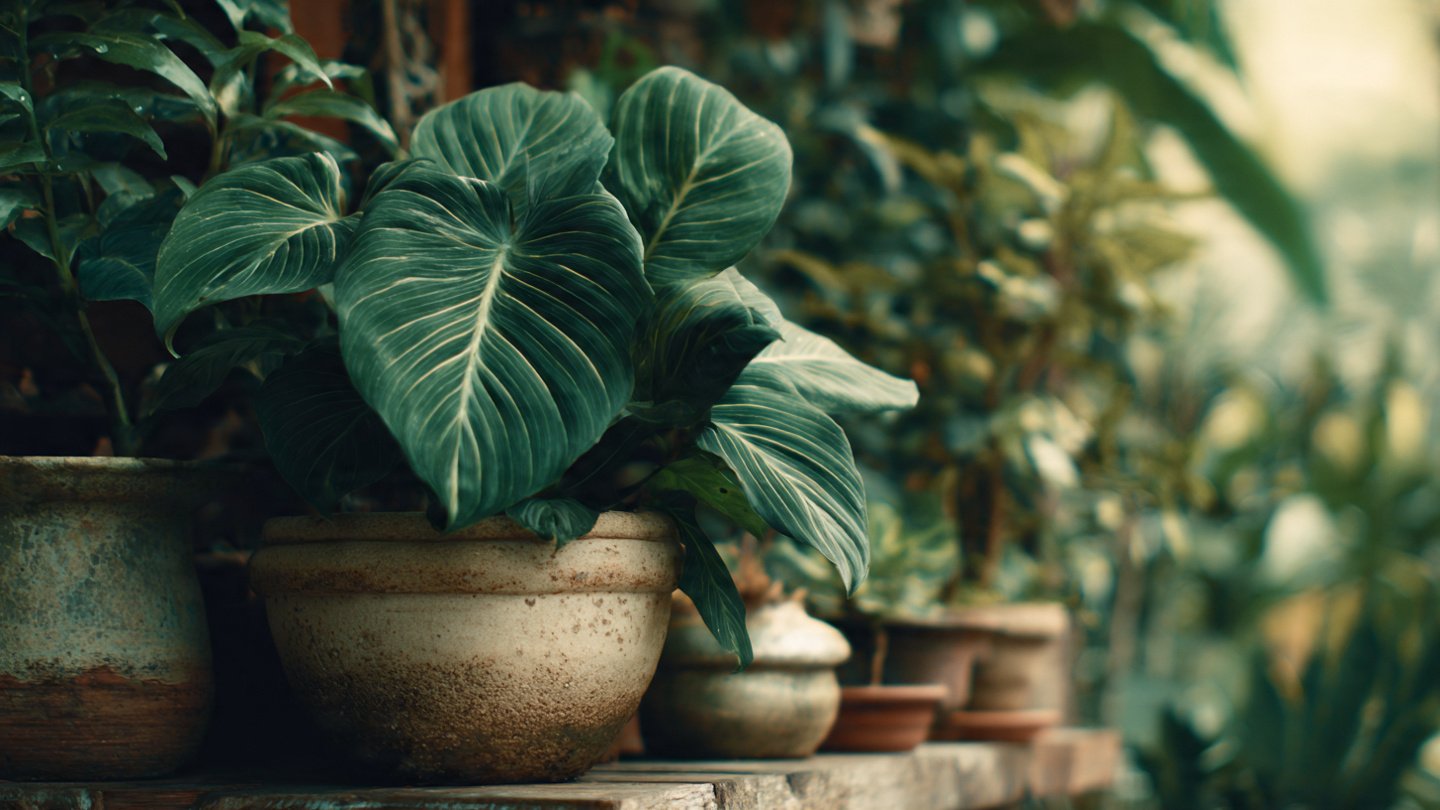
Taming overgrown leaves on your potted plants is essential for maintaining plant health, aesthetics, and overall growth. Over time, leaves can become unruly, leading to a range of issues, including poor air circulation, pest infestation, and energy depletion. In this article, we’ll explore the easiest methods to manage overgrown leaves, ensuring your leafy friends stay vibrant and flourishing.
Understanding Overgrowth in Potted Plants
Before diving into the methods of taming overgrown leaves, it’s vital to understand what causes overgrowth:
- Excessive Watering: Overwatering can lead to excessive growth as the plant receives more nutrients than it can handle.
- Insufficient Pruning: Plants need regular pruning to remove old or dead leaves, encouraging new growth.
- Improper Lighting: Insufficient or excessive light can lead to leggy growth, causing leaves to stretch and become overgrown.
- Soil Health: Nutrient-rich soil can sometimes spur more growth than usual.
Signs Your Plant Needs Attention
Identifying whether your potted plants are overgrown is the first step in addressing the issue. Look for the following signs:

- Leaves are crowding each other, blocking light and airflow.
- Yellowing or wilting leaves, indicating stress.
- Leggy growth, where stems are elongated and weak.
- Pests hiding in the dense foliage.
Simple Methods to Tame Overgrown Leaves
1. Pruning
Pruning is one of the most effective ways to manage overgrowth. It encourages healthy growth and maintains the plant’s shape. Follow these steps for effective pruning:
- Tools Required: Use clean, sharp scissors or pruning shears.
- Identify Overgrown Areas: Pinpoint areas where the leaves are crowded.
- Trim Wisely: Cut back hard when necessary but aim to remove no more than ⅓ of the plant at a time.
- Dispose of Trimmings: Remove any dead or yellowing leaves to prevent pests.

2. Adjusting Watering Practices
Watering is critical in preventing overgrowth. Ensure you follow proper watering techniques:
- Check Soil Moisture: Insert your finger into the soil; if it feels damp, postpone watering.
- Water Deeply: When watering, ensure that it’s thorough to promote a robust root system.
- Frequency: Adjust frequency based on the plant type and environmental conditions.
3. Enhancing Light Conditions
The right light conditions can dramatically affect growth. Here’s how to manage lighting:
- Know Your Plant’s Needs: Understand if it thrives in direct sunlight or prefers indirect light.
- Rotate Regularly: Rotating your plant helps ensure even growth on all sides.
- Use Grow Lights: For indoor plants, consider using grow lights to provide adequate light.

4. Repotting
Sometimes, a plant simply outgrows its pot. Repotting becomes necessary for rejuvenation:
- Choose the Right Pot: Select a pot that is 1-2 inches larger in diameter than the current one.
- Use Quality Soil: Use fresh potting mix to give the plant new nutrients.
- Remove Dead Roots: Trim any dead or unhealthy roots during repotting.
5. Fertilization
Proper fertilization can balance growth and prevent overgrowth. Follow these steps:

- Choose the Right Fertilizer: Use a balanced fertilizer suitable for the specific type of plant.
- Follow Instructions: Adhere to the recommended dosage on the fertilizer package.
- Frequency: Fertilize during the growing season, usually in spring and summer.
Conclusion
Taming overgrown leaves on your potted plants doesn’t have to be a chore. By implementing regular pruning, adjusting watering practices, enhancing lighting, repotting as needed, and fertilizing appropriately, you can maintain the health and aesthetics of your beloved plants. Recognizing the signs of distress early will also help you keep your plants thriving. Investing time in these practices ensures vibrant and lush greenery, enriching your living space.
FAQs
1. How often should I prune my potted plants?
The frequency of pruning depends on the type of plant and its growing conditions. Generally, a light prune every few months and a deeper prune once or twice a year is recommended.
2. What should I do if my plant keeps growing too large?
Consider reducing watering frequency, increasing light exposure, or even switching to a larger pot to accommodate its growth.

3. Is it necessary to use fertilizer?
Fertilization is essential during the growing season to provide extra nutrients, but be cautious not to over-fertilize, as it can lead to overgrowth.
4. Can I prune my plant at any time of the year?
While light pruning can be done throughout the year, heavy pruning is best done during early spring, just before the growing season.
5. How can I encourage more even growth in my potted plants?
Rotate your plants regularly to ensure all sides receive equal sunlight, and maintain consistent watering and nutrient levels.