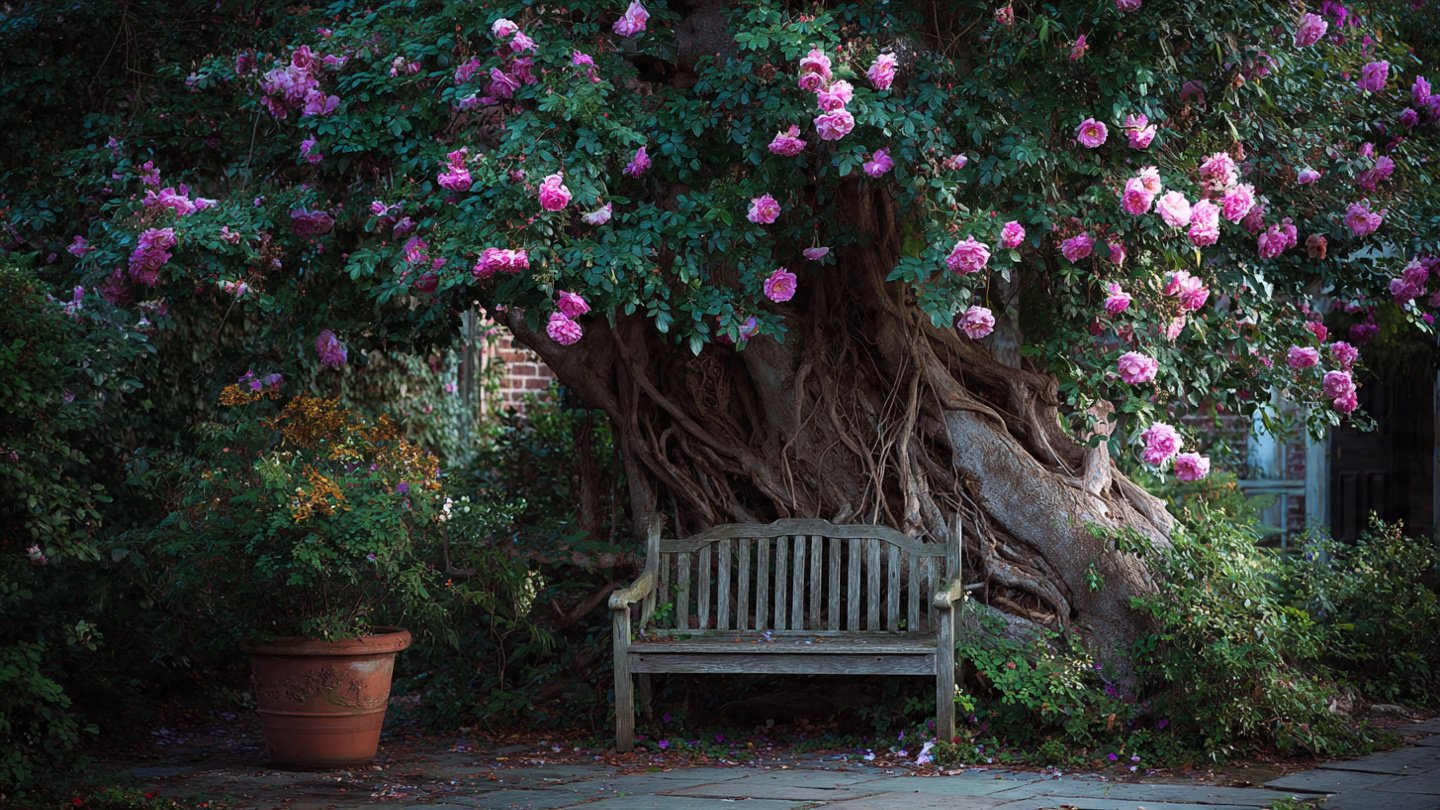
In the quaint town of Hildesheim, Germany, lies a living relic—the world’s oldest living rose bush, believed to be over a thousand years old. Climbing up the wall of the St. Mary’s Cathedral, this bush, a variety of the Rosa gallica, is not just a testament to the resilience of nature; it also embodies secrets of history, culture, and biology that are ripe for exploration.
A Historical Perspective
To understand the significance of this remarkable rose bush, one must delve into its storied past. The bush is said to have taken root around AD 1000, during a time when the Holy Roman Empire was burgeoning. Legend has it that the rose was planted by the Crusaders returning from the Holy Land, symbolizing hope and resilience.
The rose bush gained fame not only for its age but also for its connection to the local culture. Throughout centuries, it has witnessed the rise and fall of empires, wars, and revolutions. Various stories and myths surround it, leading many to believe that the bush holds the secrets of the past, capturing the essence of generations that have come before us.
The Biological Marvel
From a botanical perspective, the longevity of the rose bush invites significant scientific interest. Roses typically have a lifespan of around 10 to 15 years; however, this specimen has defied the odds. Researchers attribute its extraordinary resilience to several factors:

- Genetic Adaptation: The bush has likely adapted biologically over the centuries to withstand environmental changes.
- Microclimate: Its location on the cathedral provides a favorable microclimate, protecting it from harsh weather and pests.
- Local Care: The community has nurtured the rose bush for generations, allowing it to thrive amidst changing societal trends.
Propagation and Preservation
One fascinating aspect of the rose bush is its ability to propagate. Unlike many plants that rely on seeds for reproduction, the Hildesheim rose spreads through a process called vegetative reproduction. This allows it to create new shoots and expand, ensuring its survival even if portions of the bush die off.
In recent years, conservation efforts have focused on preserving the rose bush by monitoring its health and maintaining its habitat. These actions have ignited discussions around the importance of protecting not just the rose itself but also the historical context it represents.

The Cultural Significance
The world’s oldest rose bush is more than just a botanical curiosity; it serves as a cultural symbol for the community of Hildesheim. Many locals attribute sentimental value to the rose, considering it a marker of their identity. Annual festivals and events celebrate its beauty and longevity, drawing visitors from around the globe.
Furthermore, the bush has inspired countless artists, poets, and musicians. Its enduring presence in literature and art underscores the timelessness of nature and its ability to evoke deep emotional connections. The rose has become a muse for many, symbolizing love, resilience, and the passage of time.
Scientific Research and Discoveries
In recent decades, the rose bush has become a focal point for scientific research. Biologists and geneticists have examined its DNA in hopes of uncovering the secrets behind its longevity. Such studies could offer insights into plant resilience, which could have broader implications for agriculture and conservation efforts worldwide.
New technologies, including genetic sequencing, allow scientists to explore the bush’s genetic makeup, revealing unique traits that may contribute to its durability. Researchers hope that these discoveries could lead to advancements in breeding programs for more resilient plants, ultimately benefiting ecosystems and crops facing climate change.

A Living Museum
As a living specimen, the Hildesheim rose bush acts as a museum of sorts, a tangible connection to history that visitors can admire and ponder. It has outlived many of the structures and events that surrounded it, becoming an enduring artifact of human and natural history. The rose bush encourages contemplation of our place in the world and the legacy we will leave behind.
Conclusion
The world’s oldest living rose bush is much more than an extraordinary botanical specimen; it is a repository of history, culture, and scientific intrigue. With roots in myth and history, it continues to thrive thanks to the community’s care and the marvels of nature’s resilience. As we consider the secrets it may hold, we are reminded not only of the beauty of life itself but also of our responsibility to protect and preserve the natural world around us. The Hildesheim rose bush stands as a compelling testament to longevity, inviting us to explore and appreciate the intricate tapestry of nature, culture, and history intertwined in every bloom.
FAQs
1. How old is the world’s oldest living rose bush?
The rose bush is believed to be over 1,000 years old, dating back to around AD 1000.

2. Where is the world’s oldest rose bush located?
The rose bush is located in Hildesheim, Germany, climbing the wall of St. Mary’s Cathedral.
3. What kind of rose is it?
The rose bush is a variety of Rosa gallica, known for its resilience and historical significance.
4. How has the community contributed to the preservation of the rose?
The local community has nurtured the rose bush for generations, ensuring its care and maintenance amidst environmental challenges.
5. What scientific research has been conducted on the rose bush?

Researchers have examined the bush’s genetic makeup in hopes of understanding its longevity and potential applications for agriculture and conservation.