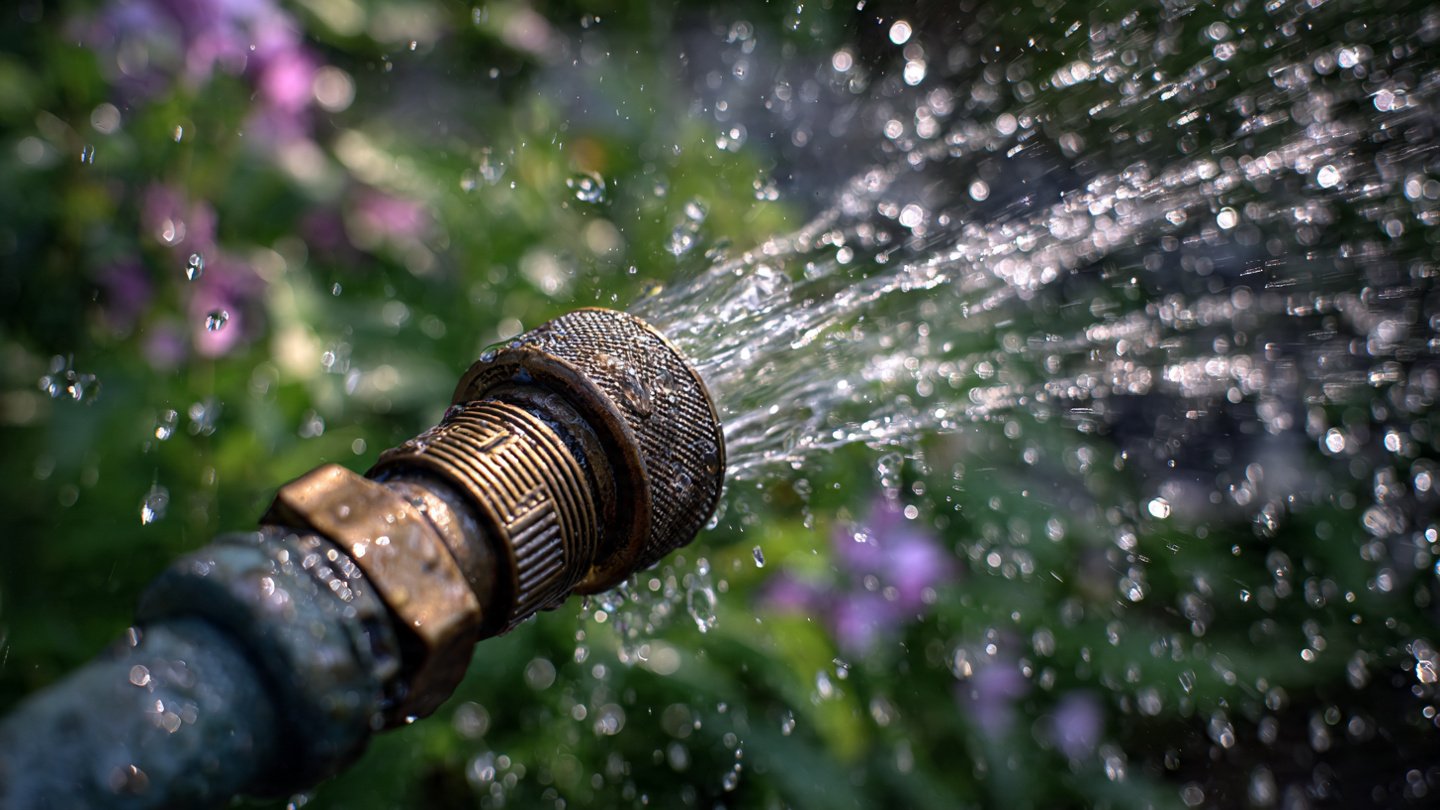
What Secret Causes Your Garden Hose to Keep Kinking and Bursting?
Garden hoses are among the most common tools in home gardening and landscaping. However, if you’ve ever dealt with a kinking or bursting hose, you know how frustrating it can be. Understanding the underlying causes of these issues can significantly improve your gardening experience. In this article, we’ll delve into the secret causes behind garden hoses kinking and bursting, and how to prevent these frustrating problems.
Common Causes of Kinking
Kinking can occur due to various factors, often exacerbated by improper use and storage. Here are some common causes:
- Improper Storage: Storing your hose in a coiled position or twisted can create memory that leads to kinks when the hose is laid out for use.
- Hose Length and Material: Longer hoses, especially those made from rigid materials, are more prone to kinking. Hoses that lack flexibility will notice this more so than others.
- Insufficient Pressure: Low water pressure can cause hoses to collapse, making them more susceptible to kinking.
- Obstacles in the Path: Running a hose over rough or uneven surfaces can introduce kinks where it catches on edges or other objects.
- Poor Quality Hose: Cheaper hoses often use substandard materials that lack the flexibility and durability to resist kinking.

Understanding the Bursting Phenomenon
While kinking is annoying, bursting is significantly more damaging. Here are some reasons why your hose may burst:
- Over-Pressurization: Using a hose with a pressure rating lower than the water pressure coming from your tap can lead to bursts. This is particularly a risk with high-pressure water systems.
- Age and Wear: Over time, hoses can weaken due to UV exposure, extreme temperatures, and wear. Cracks and stress points can become weak links that ultimately fail.
- Frozen Water: If water inside the hose freezes, it expands and can cause the material to crack or burst when the water thaws.
- Incorrect Fittings: Using incompatible fittings can lead to pressure points in the hose, causing it to burst.
- Punctures and Cuts: Any damage to the outer layer of the hose can create weak spots, which may lead to bursting under pressure.

Preventative Measures
To avoid kinking and bursting, consider the following preventive measures:
- Proper Storage: Always store your hose flat on a reel or in loops rather than tight coils. This helps prevent the memory that causes kinks.
- Choosing the Right Hose: Invest in a quality hose that is flexible and rated for your water pressure. Look for hoses made from durable materials.
- Regular Inspections: Regularly check your hose for signs of wear, such as cracks or punctures, and replace it if necessary.
- Temperature Awareness: Be mindful of temperature extremes. Store hoses indoors during harsh weather and avoid using them in freezing conditions.
- Fitments Check: Ensure that all fittings are compatible and installed correctly to avoid additional pressure points.
Choosing the Right Garden Hose
When selecting a garden hose, the material, length, and diameter all play significant roles in performance:

- Material: Hoses come in various materials, including vinyl, rubber, and reinforced rubber. Rubber hoses are generally more durable, while vinyl hoses are lighter and more affordable.
- Length: Choose a hose length that allows you to reach the farthest point in your garden without excessive slack, as longer hoses tend to tangle more easily.
- Diameter: Wider hoses allow for higher water flow but can be heavier. For most home uses, a 5/8 inch diameter is a good balance.
Using Hose Guides and Accessories
There are several tools and accessories designed to help prevent kinking and bursting:
- Hose Guides: These help steer the hose around corners and obstacles to minimize kinks.
- Hose Reels: Proper hose reels allow for straightforward storage and can help prevent damage.
- Pressure Regulators: Installing these on your hose can help control the water pressure, reducing the risk of bursting.

Conclusion
Understanding the factors that lead to kinking and bursting in garden hoses is crucial for maintaining a productive and enjoyable gardening experience. By knowing the common causes and taking appropriate preventive measures, you can ensure your hose remains in great condition while making your gardening tasks much more manageable. Investing in quality hoses and equipment, alongside proper usage and maintenance practices, is essential to avoid these common issues. Enjoy your gardening without the constant hassle of kinked or burst hoses!
FAQs
1. How can I fix a kink in my garden hose?
A kink can typically be fixed by gently lifting and straightening the hose at the kinked section. If the hose has taken on a permanent shape, immersing it in warm water can help restore flexibility.
2. What should I do if my garden hose is bursting?
When a hose bursts, start by containing the water flow by closing your water source. Inspect the hose for damage and consider replacing it if the damage is severe.

3. Can I patch a hole in my garden hose?
Yes, small holes can often be patched using hose repair tape or connectors specifically designed to fix leaks. If multiple areas are damaged, replacement may be more practical.
4. What type of hose is best for heavy-duty use?
For heavy-duty use, consider hoses made from reinforced rubber or specialized hoses designed for high pressures. These typically offer better durability and resistance to kinking.
5. Should I use my hose in freezing temperatures?
It is best to avoid using hoses in freezing temperatures as the water inside can freeze, leading to bursts. If you must use it, make sure to drain the hose immediately after use.