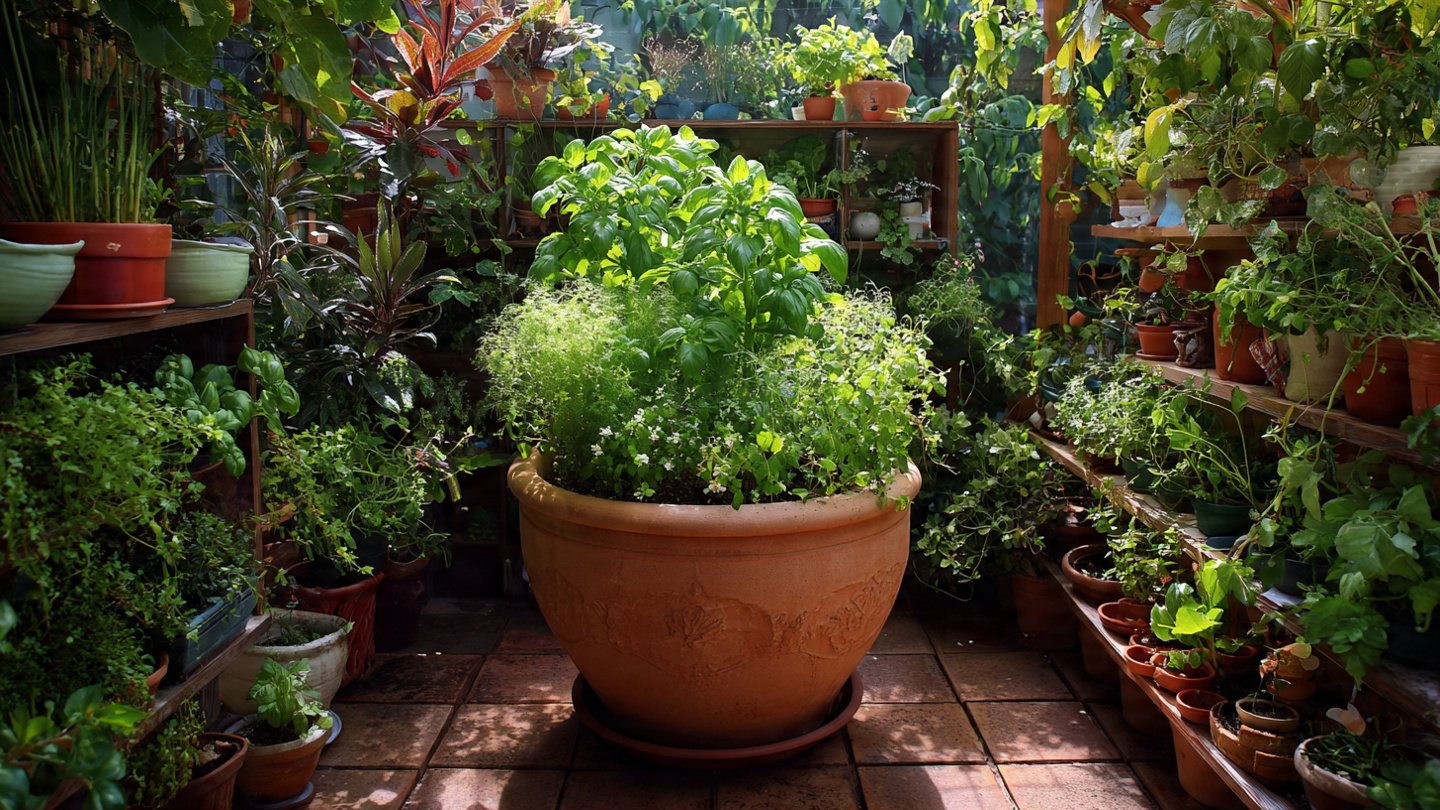
The idea of growing a pizza garden in one large pot is both innovative and practical, especially for those with limited outdoor space. Imagine having fresh ingredients at your fingertips, all within a single container. This article will guide you through the steps to create your own pizza garden in one large pot, ensuring that you have a delicious supply of fresh vegetables and herbs for your homemade pizzas.
Choosing the Right Pot
The first step in growing a pizza garden is to choose a pot that is large enough to accommodate all the plants you want to grow. A pot with a diameter of at least 18-24 inches and a depth of at least 12 inches is generally recommended. Here are some additional considerations:
- Material: Choose materials like plastic, ceramic, or wood, which can retain moisture and prevent root rot.
- Drainage: Ensure your pot has adequate drainage holes to prevent waterlogging.
- Mobility: Consider using a pot with wheels if you want to move it around for optimal sunlight exposure.
Selecting Your Plants
Next, you need to select the plants that will make up your pizza garden. A traditional pizza garden typically includes tomatoes, peppers, onions, and herbs. The key is to choose plants that can complement each other in flavor and growth requirements. Here’s a breakdown of ideal choices:
Tomatoes

Tomatoes are a staple in any pizza garden. Opt for compact varieties like ‘Tiny Tim’ or ‘Patio Princess’ that will thrive in a pot.
Bell Peppers
Bell peppers add crunch and sweetness. Choose dwarf varieties like ‘Lunchbox’ for easy growth in smaller spaces.
Herbs
Fresh herbs are the finishing touch on any pizza. Consider adding basil, oregano, and parsley. These herbs grow well together and enhance the flavor of your tomatoes and peppers.
Onions
Green onions or chives are a great choice as they have a shallow root system and can fit nicely in the pot.
Soil and Fertilization
The quality of your soil is crucial for a thriving pizza garden. Opt for a high-quality potting mix that is well-draining and rich in organic matter. Here’s how to prepare your soil:

- Base Layer: Start with a layer of gravel or stones at the bottom of the pot for drainage.
- Potting Mix: Fill the pot with potting mix, leaving a few inches of space for the plants.
- Fertilization: Mix in a slow-release organic fertilizer to provide essential nutrients throughout the growing season.
Planting Your Pizza Garden
When planting your pizza garden, it’s essential to plot out where each plant will go based on their growth habits and space needs. Follow these steps for planting:
- Arrange the Plants: Lay out the pots before planting to see the best arrangement, keeping taller plants like tomatoes at the center and shorter herbs around the edges.
- Dig Holes: Dig holes in the potting mix for each plant, making sure they have enough space to grow. Give tomatoes and peppers about 12 inches of space, while herbs can be closer together.
- Place the Plants: Remove plants from their nursery pots and place them in the holes. Backfill with soil and gently pat down.
Watering and Maintenance
Once your plants are in the pot, consistent care is necessary for a flourishing pizza garden:

- Watering: Keep the soil consistently moist but not soggy. A general rule of thumb is to water when the top inch of soil feels dry.
- Mulching: Consider adding a layer of organic mulch to retain moisture and suppress weeds.
- Pruning: Regularly prune your herbs and vegetables to encourage bushier growth and improve airflow.
Pest Control
Pests can be a significant hurdle when gardening, even in a pot. Here are some natural methods to keep them at bay:
- Companion Planting: Plant marigolds or nasturtiums alongside your pizza ingredients to deter common pests.
- Neem Oil: Apply neem oil as a natural pesticide if you notice infestations.
- Regular Inspection: Inspect your plants weekly for signs of pests or disease and address them promptly.
Harvesting Your Pizza Ingredients
One of the most rewarding aspects of growing a pizza garden is the harvest. Each ingredient has its own harvesting guidelines:

- Tomatoes: Wait until they are fully ripe and firm to the touch before picking.
- Peppers: Harvest when they are fully colored; green peppers can be picked earlier but allow them to ripen for more flavor.
- Herbs: Snip leaves as needed, but avoid removing more than one-third of the plant at a time to allow for continued growth.
Conclusion
Creating a pizza garden in one large pot is an enjoyable and rewarding endeavor that can yield fresh, flavorful ingredients for your favorite dishes. By choosing the right pot, selecting complementary plants, and providing proper care, you can produce a variety of vegetables and herbs in a small space. Whether you’re a seasoned gardener or a beginner, a pizza garden can provide an enriching experience while enhancing your culinary creations.
FAQs
1. What size pot do I need for a pizza garden?
A pot with a diameter of 18-24 inches and a depth of at least 12 inches is recommended to accommodate multiple plants.
2. Can I grow pizza ingredients indoors?
Yes! As long as you provide enough light, such as through a sunny window or grow lights, you can grow a pizza garden indoors.

3. How often should I water my pizza garden?
Water your pizza garden when the top inch of soil feels dry, ensuring that the soil remains consistently moist but not soggy.
4. When should I harvest my vegetables?
Harvest tomatoes and peppers when they are fully ripe. Snip herbs as needed, but avoid removing more than one-third of the plant at once.
5. What can I do about pests in my pizza garden?
Use natural methods like companion planting, neem oil, and regular inspections to keep pests at bay.