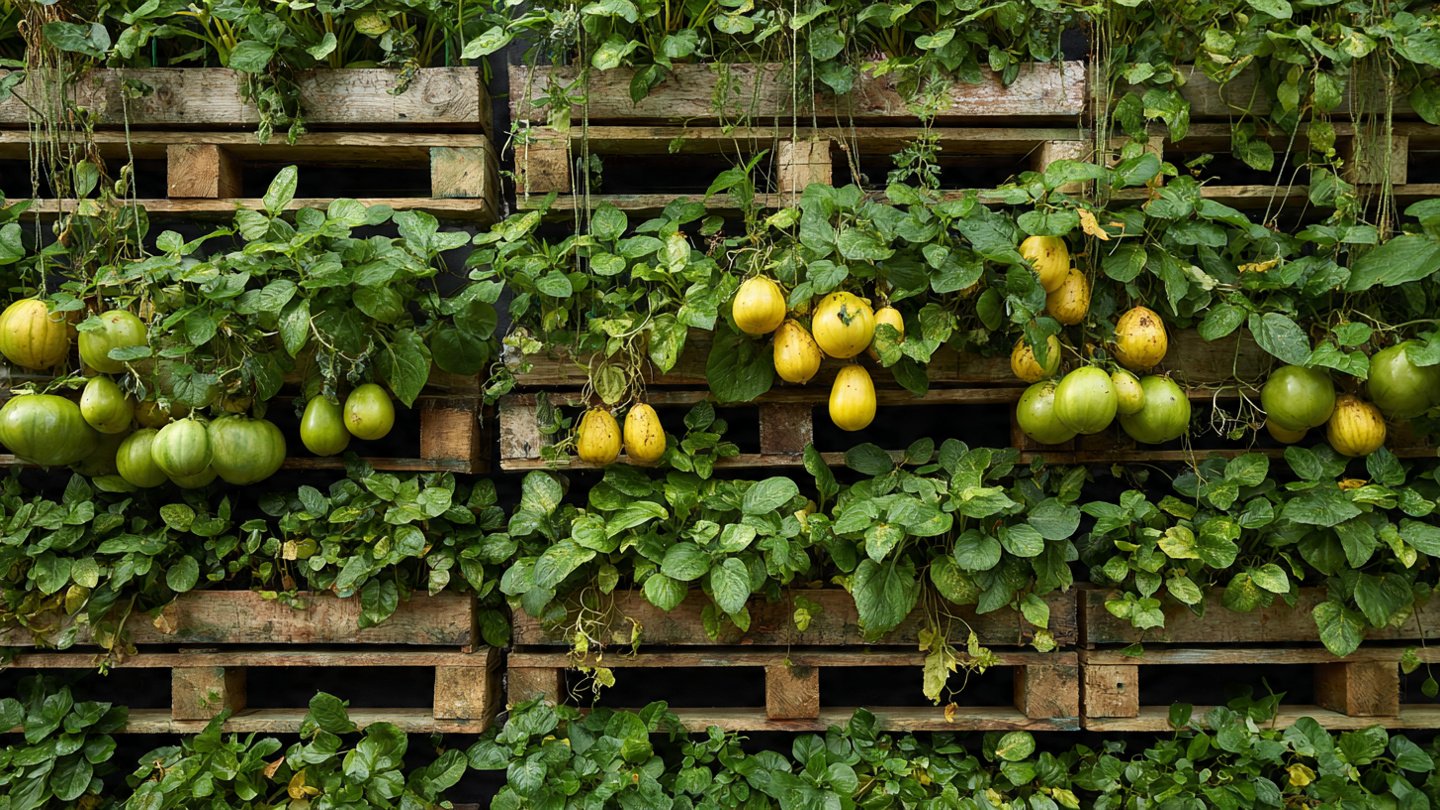
How to Create a Vertical Garden of Squash on a Pallet
Vertical gardening is a creative and space-saving technique that allows you to grow plants upward instead of outward. A vertical garden of squash can be an excellent choice, as these plants can benefit from a structure that supports their growth while keeping them off the ground, promoting healthier fruits and reducing pest problems. Creating a vertical garden using a pallet is not only eco-friendly but also an engaging project that can enhance your gardening experience. In this article, we’ll delve into the step-by-step process of constructing a vertical squash garden on a pallet, focusing on materials, techniques, and ongoing care.
Benefits of Vertical Gardening
Before we dive into the “how,” let’s briefly examine the advantages of vertical gardening, especially for squash:
- Space Efficiency: Vertical gardens maximize limited space, allowing you to grow more plants even in small areas.
- Better Air Circulation: Elevating plants can improve airflow, reducing the risk of diseases commonly caused by stagnant air.
- Pest Control: Keeping squash off the ground can deter certain pests and make it easier to manage weeds.
- Easier Harvesting: A vertical setup makes reaching the fruits easier, reducing bending and squatting.
- Aesthetic Appeal: A vertical garden can become a striking visual feature in your outdoor space.

Materials Needed
To create your vertical pallet garden, you’ll need the following materials:
- Wooden Pallet: Choose a sturdy pallet. Make sure it’s free from chemicals (avoid pallets marked with “MB,” which indicates methyl bromide treatment). You can find pallets at local warehouses or stores.
- Landscape Fabric: This will help keep the soil in while allowing water to drain.
- Potting Soil: Use high-quality potting mix that retains moisture but allows for good drainage.
- Squash Seeds or Seedlings: Choose varieties that are well-suited for vertical gardening, such as zucchini or pattypan squash.
- Nails or Wood Screws: For securing the landscape fabric and any additional supports.
- Optional: Trellis Material: If needed, you might want to use simple wooden stakes or chicken wire to give extra support to climbing squash.

Step-by-Step Instructions
Step 1: Preparing the Pallet
- Clean the Pallet: If it’s dirty, hose it off, and let it dry completely. Inspect for any broken boards or protruding nails.
- Sand the Edges: Lightly sand any rough edges to prevent splinters, especially if children or pets will be around.
- Positioning: Decide whether you want the pallet to stand upright or at an angle against a wall. An upright position often works best for vertical gardening.
Step 2: Adding the Landscape Fabric
- Cut the Fabric: Measure and cut the landscape fabric so that it covers the back and sides of the pallet. You should have enough fabric to wrap over the top and tuck into the planting sections.
- Secure the Fabric: Use nails or screws to attach the fabric to the back of the pallet. Make sure it’s tight to prevent soil from falling out.
Step 3: Filling the Pallet with Soil

- Fill the Planting Sections: Turn the pallet upright and start filling each section with potting soil. You may need to pack it down slightly to prevent settling.
- Moisten the Soil: Before planting, water the soil lightly to ensure it’s moist but not soggy.
Step 4: Planting Squash Seeds or Seedlings
- Choose Your Plants: Inspect the seed packets or seedlings to determine the optimal spacing. Squash plants can grow quite large, so consider how much space you’ll need.
- Plant the Seeds or Seedlings:
- If using seeds, plant 2-3 seeds per section and thin them later to the strongest seedling.
- If using seedlings, carefully nestle the roots into the soil and cover them thoroughly.
Step 5: Support Structures
- Additional Support: If your squash variety requires additional support, install wooden stakes or weave them through chicken wire at the back of the pallet.
- Securing the Plants: As the squash grows, gently tie the vines to the support structure using garden twine or fabric strips.

Caring for Your Vertical Squash Garden
Once your vertical garden is planted, proper care is crucial for a fruitful harvest:
- Watering: Water regularly, especially during dry spells. Vertical gardens can dry out faster than traditional gardens, so monitoring soil moisture is essential. Aim to have the soil consistently moist but never soggy.
- Fertilizing: Every few weeks, apply a balanced, organic fertilizer to promote healthy growth. Follow the package instructions to avoid over-fertilization.
- Pruning: Regularly check your squash plants for dead leaves or excessive growth. Pruning can help improve air circulation and reduce disease risk.
Managing Pests and Diseases
- Monitor for Pests: Common squash pests include squash bugs and vine borers. Use organic insecticidal soap or neem oil for treatment if needed.
- Disease Management: Keep an eye out for signs of powdery mildew or other diseases. Ensuring good airflow and watering in the morning can help prevent these issues.

Harvesting
- Timing: Harvest squash when they are young and tender for the best flavor. Zucchini is typically ready 6-8 inches long, while other varieties might differ.
- Technique: Use a sharp knife or garden shears to cut squash from the plant, avoiding damage to the vines.
Conclusion
Creating a vertical garden of squash on a pallet is not only an efficient use of space but also a rewarding gardening experience. With careful planning, appropriate materials, and proper care, you can enjoy a bountiful harvest of fresh squash while enhancing your outdoor space’s beauty. This method can serve as a fantastic project for individuals or families looking to experiment with gardening techniques. Whether you are a seasoned gardener or just starting, a vertical squash garden can provide a fruitful and enjoyable addition to your home. Happy gardening!