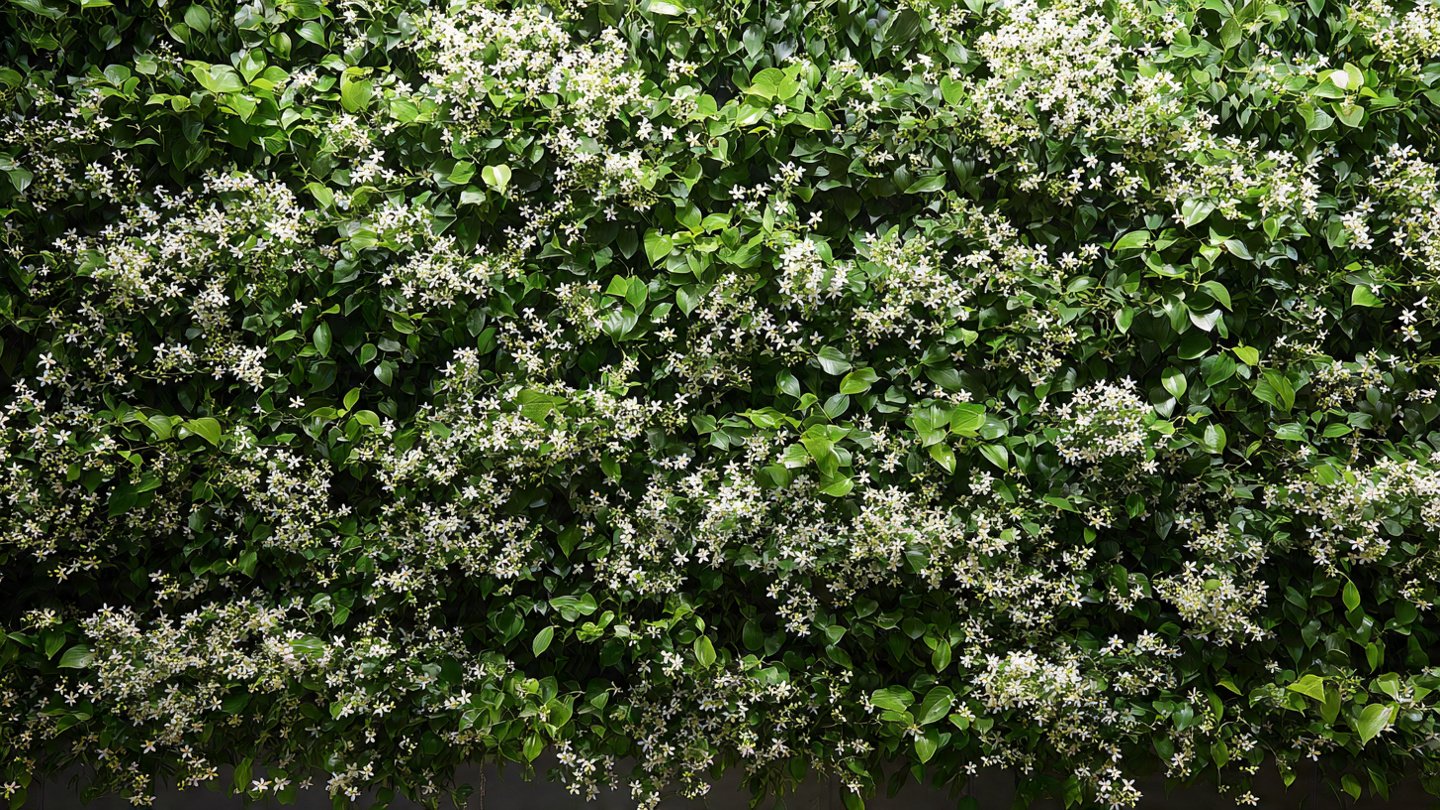
Creating a vertical garden of jasmine can transform your space, not only with its lush greenery but also with the enchanting fragrance that fills the air. The sweet and intoxicating scent of jasmine has long been prized for its calming and romantic qualities. Whether you live in a small apartment, have a limited yard space, or simply wish to add a touch of beauty to your interior, a vertical garden of jasmine can be an excellent solution.
To start, select the right type of jasmine for your vertical garden. Common varieties include Jasmine officinale (common jasmine), Jasminum polyanthum (pink jasmine), and Jasminum sambac (Arabian jasmine). Each of these types has unique characteristics, but all produce the lovely, fragrant flowers we associate with jasmine. Ensure you choose a variety that will grow well in your climate and the specific conditions of your planting area.
The first step toward establishing a vertical jasmine garden is to determine the right location. Jasmine thrives in sunny spots, typically requiring at least six hours of sunlight a day. Look for a wall, fence, or trellis that can support the plants and receive adequate sunlight. If your chosen location has partial shade, opt for varieties that are more tolerant of such conditions.
Once you’ve pinpointed the ideal location, it’s time to think about the vertical structure itself. Vertical gardening utilizes space efficiently, allowing plants to grow upwards. You can use a trellis, wall planters, hanging pots, or even repurpose old pallets to create a visually appealing display. Ensure that whatever structure you choose is sturdy enough to support the weight of the jasmine as it grows.
Next, it’s essential to prepare the soil for planting. Jasmine prefers well-drained soil rich in organic matter. You can achieve this by mixing potting soil with compost and perlite or sand to enhance drainage. This mixture allows the roots to access air and moisture, which is crucial for healthy growth.
After preparing the soil, it’s time to plant your jasmine. If you’re starting with seedlings or young plants, dig a hole in the soil mixture that is large enough to accommodate the root ball. Gently loosen the roots if they are tightly bound and place the plant in the hole, covering it with soil. Water the plants thoroughly after planting, ensuring that the soil is moist but not waterlogged. If you’re working with cuttings, place them in a rooting medium and allow them to develop roots before transferring them to the vertical structure.
When planting jasmine in a vertical garden, consider the spacing between plants. Since jasmine can grow quite thick, providing enough space will ensure that each plant receives adequate sunlight and airflow, which can help prevent disease. A distance of 12 to 18 inches between plants is generally appropriate, but refer to specific planting guidelines for the variety you’ve chosen.
To ensure that your jasmine thrives, regular maintenance is crucial. Water your plants consistently, especially during dry spells. However, be mindful not to overwater, as jasmine can suffer from root rot if left in soggy soil. Observe the plants for signs of stress, such as curling or discoloration of leaves, which can indicate that adjustments to watering or sunlight exposure are necessary.
Fertilizing your jasmine plants will also boost their growth and flowering potential. Use a balanced, slow-release fertilizer to provide essential nutrients throughout the growing season. Fertilization should occur during the spring and summer, when the plants are actively growing. Over-fertilizing can lead to excessive leaf growth at the expense of flowers, so follow the recommended dosage carefully.
Pruning is another vital aspect of maintaining a vertical garden of jasmine. Regularly trim back any dead or unhealthy growth to encourage new blooms and maintain a tidy appearance. Pruning in late winter or early spring, before new growth begins, is typically the best approach. During this time, you can shape the plant to train it to grow up the trellis or along the vertical structure as desired.
Training your jasmine to climb can be an enjoyable part of creating your vertical garden. Gently tie the stems to the trellis or structure using soft ties or garden twine. As the plant grows, continue to guide the stems so they fill in the structure evenly. This process may require some patience, but the result will be a stunning display of vibrant green foliage and aromatic flowers cascading down your wall or trellis.
In addition to regular care and training, be vigilant for pests and diseases that may threaten your jasmine plants. Common pests include aphids, spider mites, and whiteflies. If you spot any of these pests, a gentle soapy water spray can often be effective in controlling them without harming the plants. Monitoring for signs of common diseases, such as powdery mildew or leaf spot, is equally important. Ensuring good airflow and avoiding overhead watering can help prevent these issues.
As jasmine plants begin to mature, their intoxicating fragrance will become a defining feature of your outdoor or indoor space. The delightful scent can enhance gatherings on your patio or balcony, creating a welcoming atmosphere. If you’ve placed your vertical garden near windows or outdoor seating areas, the aroma of jasmine will waft through, adding a touch of natural elegance to your environment.
One of the great advantages of a vertical garden is its versatility. You can easily integrate other plants to complement the jasmine. Consider mixing in herbs like basil or mint, which can thrive alongside jasmine, or use flowering annuals to add color and variety. This companion planting can create a visually appealing garden while boosting the overall fragrance and biodiversity.
Vertical gardening with jasmine also contributes positively to the environment. It can help purify the air, reduce noise pollution, and provide a habitat for beneficial insects. If you create a green wall in your home’s interior, it may help regulate temperature and improve insulation, leading to energy savings.
For those with limited outdoor space, indoor vertical gardens are also a fantastic option. A vertical garden of jasmine can flourish on a sunny wall or near windows, filling your living space with beauty and aroma. Using attractive wall-mounted planters, you can create an indoor oasis that is both functional and visually striking.
As seasons change, pay attention to the growing cycle of jasmine. Though most jasmine varieties bloom in late spring through summer, you might notice some flowers in late winter, depending on the type and climate. The beauty of the blooms may not only fulfill your aesthetic desires but can also be harvested for crafting homemade essential oils or potpourri, allowing you to bring the scent of jasmine indoors and preserve its essence for later use.
As the jasmine grows, consider placing accent lighting near your vertical garden. Evening illumination can highlight the foliage and flowers, creating a magical ambiance and enhancing your outdoor or indoor atmosphere. This added layer of design not only boosts the visual appeal but invites you to enjoy your garden even as the sun sets.
Creating a vertical garden of jasmine takes effort and care, but the rewards are plentiful. From the tranquil environment it fosters to the delightful scent that wafts through your space, jasmine provides an unrivaled experience. Whether you are a seasoned gardener or a beginner, the process of cultivating a jasmine vertical garden can be a gratifying artistic endeavor.
In conclusion, a vertical garden of jasmine can transform your space into an aromatic retreat that’s both stunning and serene. By selecting the right variety of jasmine, preparing the soil, ensuring proper sunlight and care, and training the plants to climb, you can create an enchanting atmosphere that celebrates nature’s beauty. With each fragrant bloom, your vertical garden will not only enhance your space visually but bring a soothing scent that enriches your daily life.

