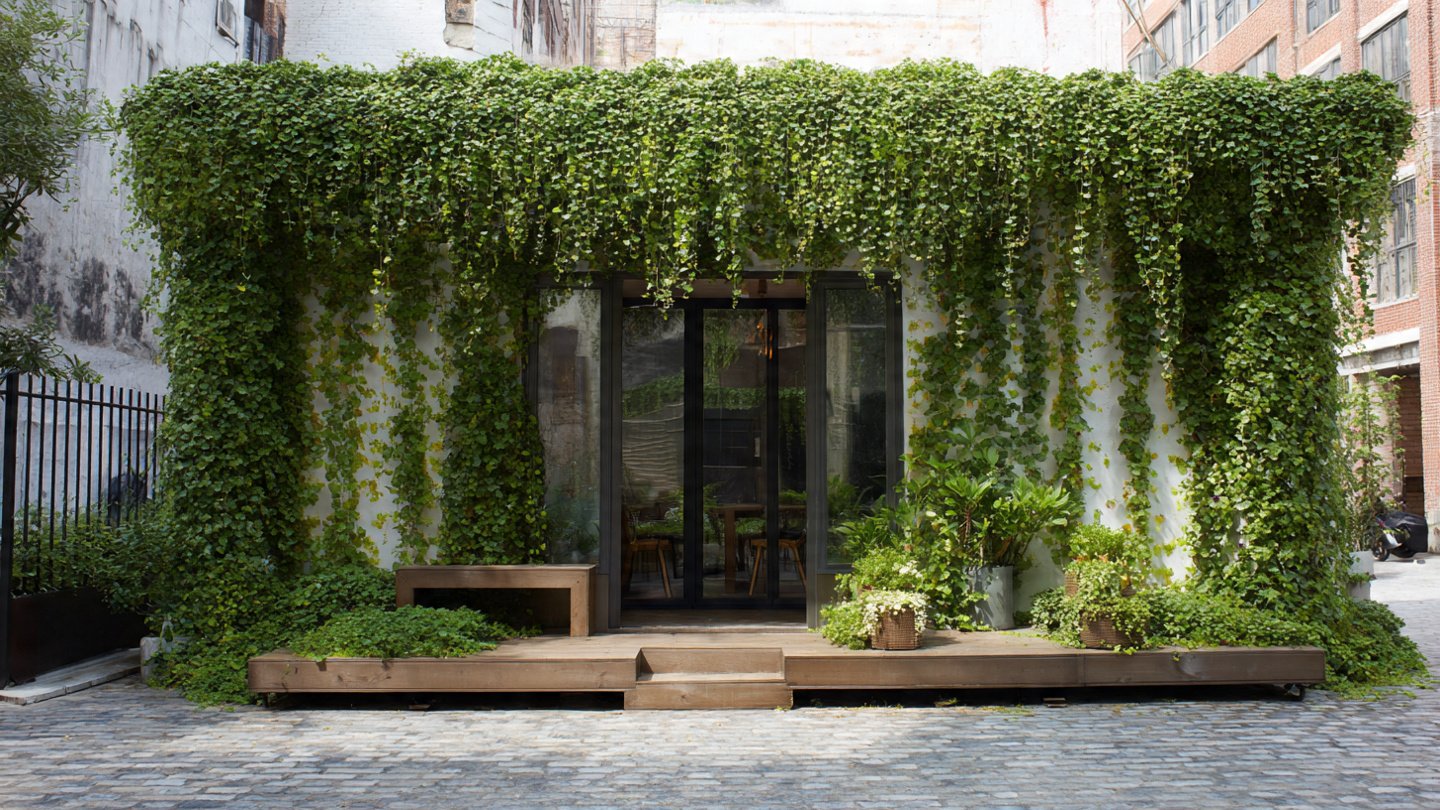
How Can You Create a Stunning Vertical Garden of Ivy for Your Green Wall?
Vertical gardens have gained immense popularity in recent years as a sustainable and aesthetically pleasing way to bring greenery into urban environments. Among the various plants that can be used for such gardens, ivy is a favorite due to its easy maintenance and incredible versatility. In this guide, we’ll explore how to create a stunning vertical garden of ivy for your green wall, covering every aspect from planning and installation to maintenance and benefits.
1. Understanding Vertical Gardens
Vertical gardens, also known as green walls or living walls, are structures that allow for the growth of plants in a vertical space. They can be used indoors or outdoors and offer numerous advantages, including improved air quality, enhanced aesthetic appeal, and thermal insulation. Ivy, particularly varieties like English Ivy (Hedera helix), is well-suited for these gardens as it tends to climb and cover surfaces beautifully.
2. Benefits of Growing Ivy in Vertical Gardens
A. Aesthetic Appeal
Ivy is lush and verdant, and its climbing habit creates a natural tapestry that can transform dull walls into living art. The different varieties of ivy come in various shades of green, which can create stunning visual contrasts.
B. Air Purification
Ivy is known for its air-purifying qualities. It can absorb common indoor pollutants like formaldehyde, xylene, and benzene, contributing to a healthier living environment.
C. Low Maintenance
Once established, ivy requires minimal care. It is drought-resistant and resilient, making it perfect for gardeners of all experience levels.
D. Versatility
Ivy can thrive in various environments, from full sun to shady spots, making it adaptable to different locations.

3. Planning Your Vertical Garden
A. Selecting the Right Location
Choose a wall that receives appropriate sunlight depending on the ivy variety you select. Consider the climate and environmental conditions as well. Outdoor vertical gardens should be in a spot that provides some protection from harsh weather, while indoor gardens can be placed in living rooms, kitchens, or offices.
B. Choosing the Right Ivy Variety
- English Ivy (Hedera helix): This classic variety is great for covering large areas and can be used both indoors and outdoors.
- Japanese Ivy (Hedera rhombea): This variety has thicker leaves and is ideal for shaded areas.
- Upright Ivy (Hedera canariensis ‘Gloire de Marengo’): This variant grows upright and is perfect for smaller vertical gardens or confined spaces.
C. Determining the Wall Size
Measure the area you want to cover. Make sure to account for the structure of the wall, its surface (brick, wood, or concrete), and whether you want to use a frame or grow directly onto the wall.
4. Building the Framework
A. Selecting the Right System
There are several systems available for vertical gardening, including:
- Trellis Systems: These are simple and allow ivy to climb freely.
- Pocket Systems: Pre-made fabric pockets hold soil and plants, perfect for smaller spaces.
- Hydroponic Systems: These involve growing plants in water with nutrients, though they require more maintenance.

B. Materials Needed
- Wooden or metal trellis: Provides structure for the ivy to climb.
- Planters or pockets: For soil and root growth.
- Soil: A good quality potting mix suitable for ivy.
- Drip irrigation: Optional but beneficial for watering.
- Screws or nails: To mount the trellis or pocket system securely.
- Clips or ties: Help guide the ivy as it grows.
C. Assembly
- Construct the trellis or mount the pocket system on the wall, ensuring it is firmly attached.
- If you’re using a trellis, space the slats to allow for ivy growth.
- For pocket systems, ensure they are level and evenly spaced.
5. Planting the Ivy
A. Preparing the Ivy Plants

Select healthy ivy plants from a nursery. You can also start from cuttings if you have existing ivy. If using cuttings, ensure they have several leaves and a healthy stem.
B. Soil Preparation
Fill the planters or pockets with a well-draining potting mix. Ivy prefers slightly acidic to neutral soil (pH 6.0 to 7.0).
C. Planting Process
- Remove ivy plants from their pots and gently loosen any tightly bound roots.
- Plant them in the soil, spacing them according to how thick you want the coverage to be.
- Water thoroughly after planting.
6. Care and Maintenance
A. Watering
Ivy prefers moist but well-drained soil. Water the plants when the top inch of soil feels dry. In hot weather, more frequent watering may be necessary.
B. Fertilizing
Use a balanced liquid fertilizer every 4-6 weeks during the growing season (spring and summer) to encourage healthy growth.
C. Pruning

Regular pruning will keep your ivy looking neat and promote denser growth. Trim back any excessive growth and train the vines along the trellis or structure.
D. Pest Control
Ivy is relatively pest-resistant, but keep an eye out for issues like spider mites or aphids. Treat infestations promptly with insecticidal soap or neem oil as needed.
7. Seasonal Considerations
A. Winter Care
If you are growing ivy outdoors, ensure you are aware of your local climate. In colder regions, it may be necessary to provide some protection for the plants or consider bringing them indoors during harsh winter months.
B. Indoor Considerations
For indoor ivies, ensure they are placed by a sunny window during winter months to promote growth.
8. Enhancing Your Vertical Garden
A. Adding Variety
Consider mixing in some companion plants like ferns or flowering plants for added texture and color.
B. Decorative Elements
Incorporate lighting to enhance the visual appeal of your vertical garden. String lights or accent lighting can create a stunning evening ambiance.

C. Consider Edible Plants
If space allows, consider adding herbs like mint or rosemary. They not only add variety but also provide fresh ingredients for your kitchen.
9. The Environmental Impact
A. Urban Greening
Vertical gardens, particularly those using ivy, contribute to urban greening efforts. They provide habitats for various species, improve biodiversity, and help mitigate the urban heat island effect.
B. Carbon Sequestration
Like all plants, ivy absorbs carbon dioxide and releases oxygen, playing a crucial role in fighting climate change.
Conclusion
Creating a vertical garden of ivy is an excellent way to blend nature with your architectural surroundings, offering aesthetic, environmental, and health benefits. With proper planning and care, you can transform a simple wall into a stunning, living masterpiece. Whether you opt for a small indoor setup or a grand outdoor display, the lush greenery of ivy will surely enhance your space, making it a comfortable oasis of tranquility and beauty. So roll up your sleeves, gather your materials, and set forth on your gardening journey. Your vibrant green wall awaits!