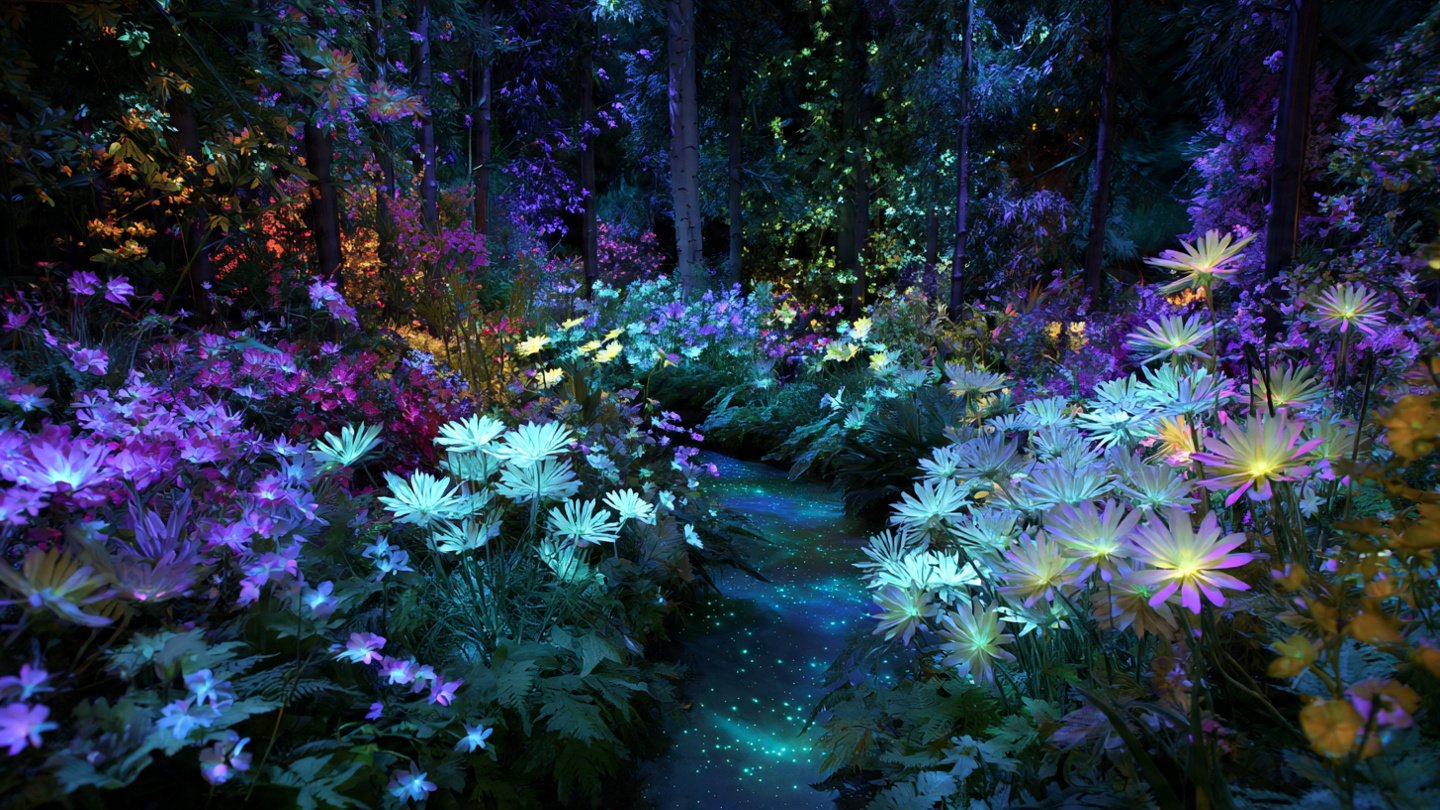
Crafting a moonbeam garden that radiates a soft glow at night can transform your outdoor space into a mystical retreat. Not only does it add a touch of magic, but it also provides a serene and enchanting atmosphere for evening relaxation or entertaining. Creating such a garden involves strategic planning, selecting the right plants, and incorporating creative lighting techniques. This guide will walk you through the steps to achieve your very own moonbeam garden.
Understanding the Concept of a Moonbeam Garden
A moonbeam garden is designed to capture the ethereal beauty of moonlight, using a combination of plants that bloom or shine at night. These gardens typically use white or light-colored plants that reflect moonlight, creating a luminescent effect. Additionally, incorporating glow-in-the-dark elements can enhance this concept. The goal is to create a tranquil and reflective space that invites you to linger under the stars.
Choosing the Right Location
Your first step in creating a moonbeam garden is selecting the right location. A perfect spot would ideally:
- Receive ample moonlight at night, away from bright streetlights and other light pollution.
- Be easily accessible for maintenance and enjoyment.
- Have well-drained soil to support night-blooming plants.
Selecting Moonbeam Plants

When selecting plants for your moonbeam garden, focus on varieties that thrive in low light and are known for their reflective qualities or nighttime blooms. Here are some excellent choices:
1. Night-Blooming Jasmine (Cestrum nocturnum)
This fragrant plant releases its sweet scent in the evening, attracting nocturnal pollinators. Its white flowers are subtle yet striking under moonlight.
2. Moonflower (Ipomoea alba)
True to its name, the moonflower blooms at night, unveiling large, white flowers that radiate in the dark. These vines can be trellised to create a beautiful centerpiece in your garden.
3. Evening Primrose (Oenothera biennis)
This perennial blooms in the evening, showcasing bright yellow to white flowers. They are easy to care for and can spread beautifully across your garden.
4. White Peonies (Paeonia lactiflora)
With their large, fragrant blooms, white peonies not only catch the moonlight beautifully but also add a classic touch to your garden.

5. Silver Mound (Artemisia schmidtiana)
This low-growing perennial has silvery foliage that reflects light gracefully. It serves as an excellent ground cover in a moonbeam garden.
Incorporating Glow-in-the-Dark Features
To enhance the glowing effect of your moonbeam garden, consider adding glow-in-the-dark elements:
1. Glow-in-the-Dark Paints
You can use glow-in-the-dark paints on garden features such as rocks, sculptures, or pots. Choose non-toxic paints that are safe for outdoor use.
2. Pathway Lighting
Install solar-powered LED lights along pathways or around flower beds to illuminate the garden without overpowering the moonlight. Choose soft white or amber lights for a warm, inviting glow.
3. Reflective Mulch
Using reflective mulch such as white stones or gravel can enhance the light reflection in your garden and improve the overall glowing effect.

4. Lanterns and Candles
Incorporate lanterns or candlelight in the garden for a cozy atmosphere. Use flameless candles for safety, especially if you have plants nearby.
Designing Your Moonbeam Garden Layout
Designing the layout of your garden is crucial for achieving the desired ambiance:
- Focal Points: Create focal points using taller plants such as moonflowers complemented by shorter ones like silver mound. This way, your garden will have depth and interest.
- Layering: Consider layering plants by height and bloom time—for instance, tall plants at the back, medium plants in the middle, and low-growing plants at the front.
- Pathways: Design winding pathways using stones or gravel that allow you to explore the garden while ensuring you can appreciate the ambiance.
Caring for Your Moonbeam Garden
Proper care is essential to maintain the beauty of your moonbeam garden:

- Watering: Water your plants during the early morning or late evening to prevent evaporation and ensure that they receive enough moisture.
- Pruning: Regularly prune dead or overgrown foliage to encourage healthy growth and blooming.
- Pest Control: Use organic pest control methods or companion planting to protect your plants without harming the environment.
Bringing It All Together
Now that you’ve selected your plants, strategized your layout, and added glow-in-the-dark features, it’s time to enjoy your moonbeam garden. Spend evenings sipping tea, reading under the stars, or enjoying quiet moments with loved ones. Each element you’ve included contributes to a magical, glowing retreat that reflects the beauty of nature and your personal touch.
Conclusion
Creating a moonbeam garden is an enchanting project that invites creativity and tranquility into your outdoor space. By choosing the right plants, incorporating glow-in-the-dark elements, and designing a thoughtful layout, you can establish a captivating garden that shines with beauty at night. As you watch your garden thrive under the moonlight, you’ll discover a wonderfully serene place for relaxation and reflection.
FAQs
1. What type of soil is best for a moonbeam garden?
A well-drained soil mix is essential. Consider using a combination of organic matter and sand to promote drainage while retaining essential moisture.

2. Are there any alternatives to glow-in-the-dark paint?
Yes! You can also use luminous stickers or tiles that charge during the day and glow at night, providing an environmentally friendly alternative.
3. How much maintenance does a moonbeam garden require?
Like any garden, it will need regular watering, pruning, and pest management. However, selecting native plants can significantly reduce maintenance efforts.
4. When is the best time to plant the flowers?
Spring is generally the best time to plant perennials, while annuals can be planted once the threat of frost has passed. Timing may vary depending on your climate zone.
5. Can I add non-blooming plants to my moonbeam garden?
Yes, non-blooming plants that have light-colored or reflective foliage can add texture and enhance the glow of your moonbeam garden.