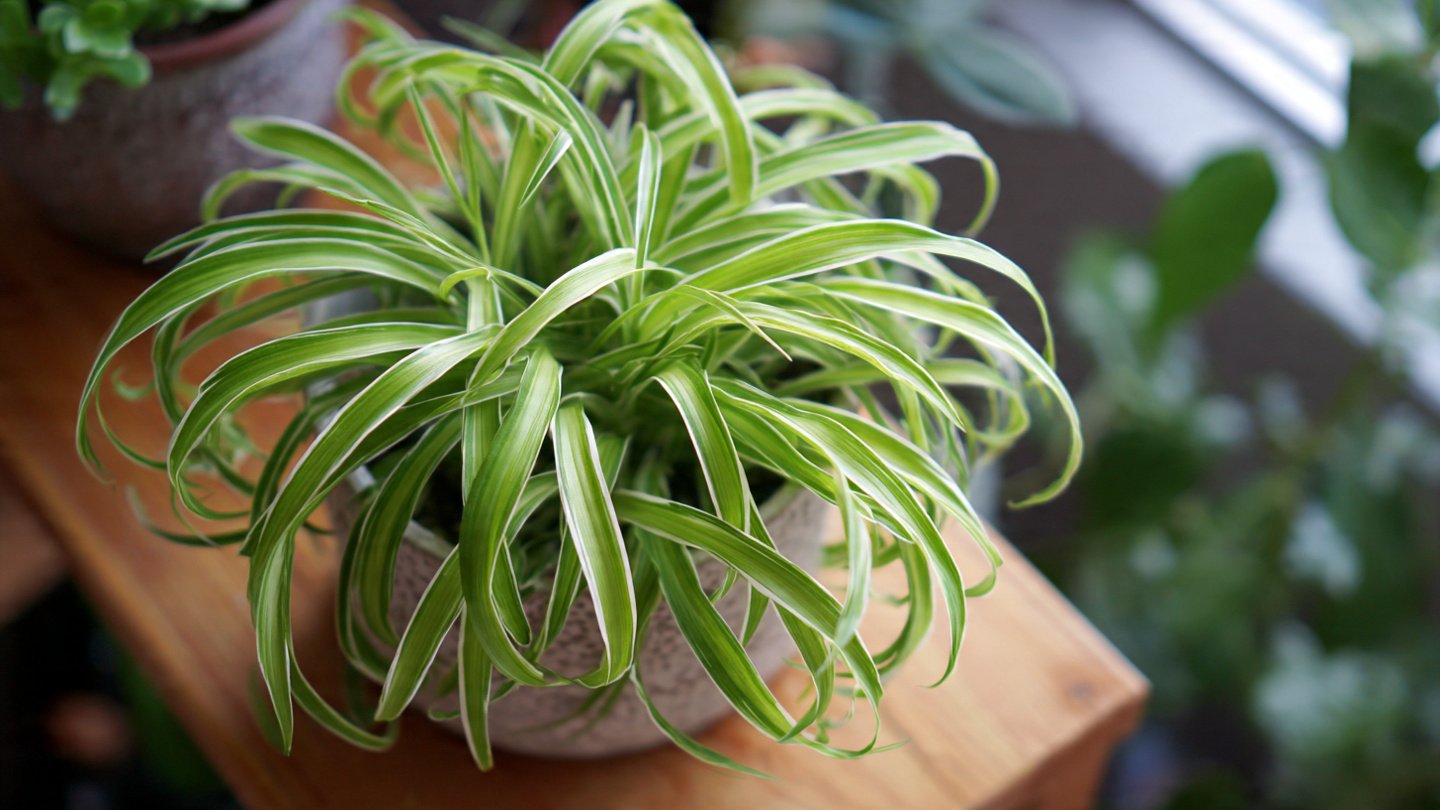
Pasta water, often discarded, is a surprisingly nutrient-rich byproduct of cooking. Many culinary enthusiasts realize its value in enhancing the flavors of sauces and dishes, but few consider its potential as a natural fertilizer for houseplants. Spider plants, in particular, can benefit significantly from this often-overlooked resource. In this article, we will delve into the astonishing benefits of using pasta water on spider plants, how to do it effectively, and some frequently asked questions regarding this unique gardening technique.
The Nutritional Profile of Pasta Water
The water used to cook pasta becomes enriched with starch, minerals, and vitamins from the pasta itself. When you boil pasta, the starch molecules leach into the water, creating a slightly viscous liquid. This starchy water is rich in nutrients like:
- Potassium: Essential for plant growth, potassium helps regulate water and nutrient movements within plant cells.
- Phosphorus: Vital for root development and flowering, phosphorus encourages healthy growth in spider plants.
- Nitrogen: Crucial for leaf and stem growth, nitrogen in the pasta water can boost the overall vigor of your spider plants.
- Trace Minerals: Calcium, magnesium, and iron are essential for various physiological functions in plants.

Why Spider Plants Specifically?
Spider plants (Chlorophytum comosum) are renowned for their air-purifying qualities and resilience, making them a popular choice for indoor gardening. They can thrive in various conditions, but like all plants, they benefit from the right nutrients. The attributes of pasta water align perfectly with the nutritional needs of spider plants.
The versatility of spider plants means that they can adapt to a range of water and nutrient levels, but a little boost from pasta water can encourage faster growth, healthier leaves, and increased production of “pups” or offshoots.
How to Use Pasta Water on Spider Plants
Preparation Steps
- Cook the Pasta: As you prepare your pasta, ensure to avoid adding salt or oil as these additives may harm your spider plants. Boil the pasta as you typically would.
- Save the Water: Once cooked, strain the pasta but retain the water. Allow it to cool to room temperature, as hot water can shock plant roots.
- Dilute if Necessary: If the water appears excessively starchy, you may consider diluting it with more fresh water. A good rule of thumb is a 1:1 ratio of pasta water to regular water.
- Apply to Plants: Water your spider plants with the pasta water as you would with regular water. Ensure you soak the soil evenly without flooding.

Frequency of Application
Using pasta water doesn’t mean substituting it entirely for regular watering. Instead, consider using it every 2-4 weeks to avoid nutrient buildup that could harm the plants. This intervals allow your spider plants to benefit from the nutrients without overwhelming their root systems.
Benefits of Using Pasta Water for Spider Plants
Natural Fertilizer
Pasta water can act as a gentle and organic fertilizer. It provides essential nutrients without the risk of chemical overload. This is particularly advantageous for those who prefer organic gardening methods.
Enhanced Soil Quality
The starches present in pasta water can enhance soil structure by promoting microbial activity. Beneficial microbes assist in breaking down organic matter, which can improve soil quality and promote healthy root systems.

Improved Plant Growth
Regularly using pasta water can lead to noticeable improvements in growth rates. Expect your spider plants to develop thicker, greener leaves and produce more offshoots when given the occasional boost of nutrient-rich pasta water.
Increased Resilience
Spider plants that receive a well-balanced mix of nutrients tend to be more resilient against pests and diseases. Healthy plants can better withstand environmental stress and recover from challenges more quickly.
Things to Keep in Mind
While pasta water can be beneficial, moderation is key. Over-fertilizing can lead to nutrient burn, which can damage your spider plants. Additionally, avoid using pasta water that has been salted or flavored with oils or other additives, as these can harm your plants.
Conclusion
Utilizing pasta water as a natural fertilizer for your spider plants is not only practical but can lead to healthier, more vibrant plants. By understanding the nutritional content and learning how to apply it effectively, you can leverage this kitchen byproduct to create a thriving indoor garden. As many gardening enthusiasts prioritize sustainability, using what would normally be waste in an eco-friendly manner aligns perfectly with these values. Next time you cook pasta, consider saving that water; your spider plants might just thank you for it!

FAQs
1. Can I use pasta water for any other plants?
Yes, pasta water can benefit other houseplants as well, particularly those that require a bit of extra nourishment. However, always check the specific needs of your plants first.
2. Should I always use warm pasta water when applying it to plants?
No, it is vital to allow the pasta water to cool to room temperature before application. Hot water can shock the plant’s roots and cause damage.
3. How do I know if my spider plant is getting too much pasta water?
Signs of over-fertilization include yellowing leaves, leaf drop, or browning at the tips. If you notice these symptoms, reduce the frequency of pasta water applications.

4. Can I use store-bought pasta water?
Store-bought pasta water might not provide the same nutrient benefits as homemade pasta water, as it may lack the natural starches and minerals. It’s best to use water from pasta that you have cooked yourself.
5. Does the type of pasta matter?
Generally, the type of pasta has minimal impact on the nutritional value of the water. However, whole grain or vegetable pastas may leave more valuable nutrients in the water.