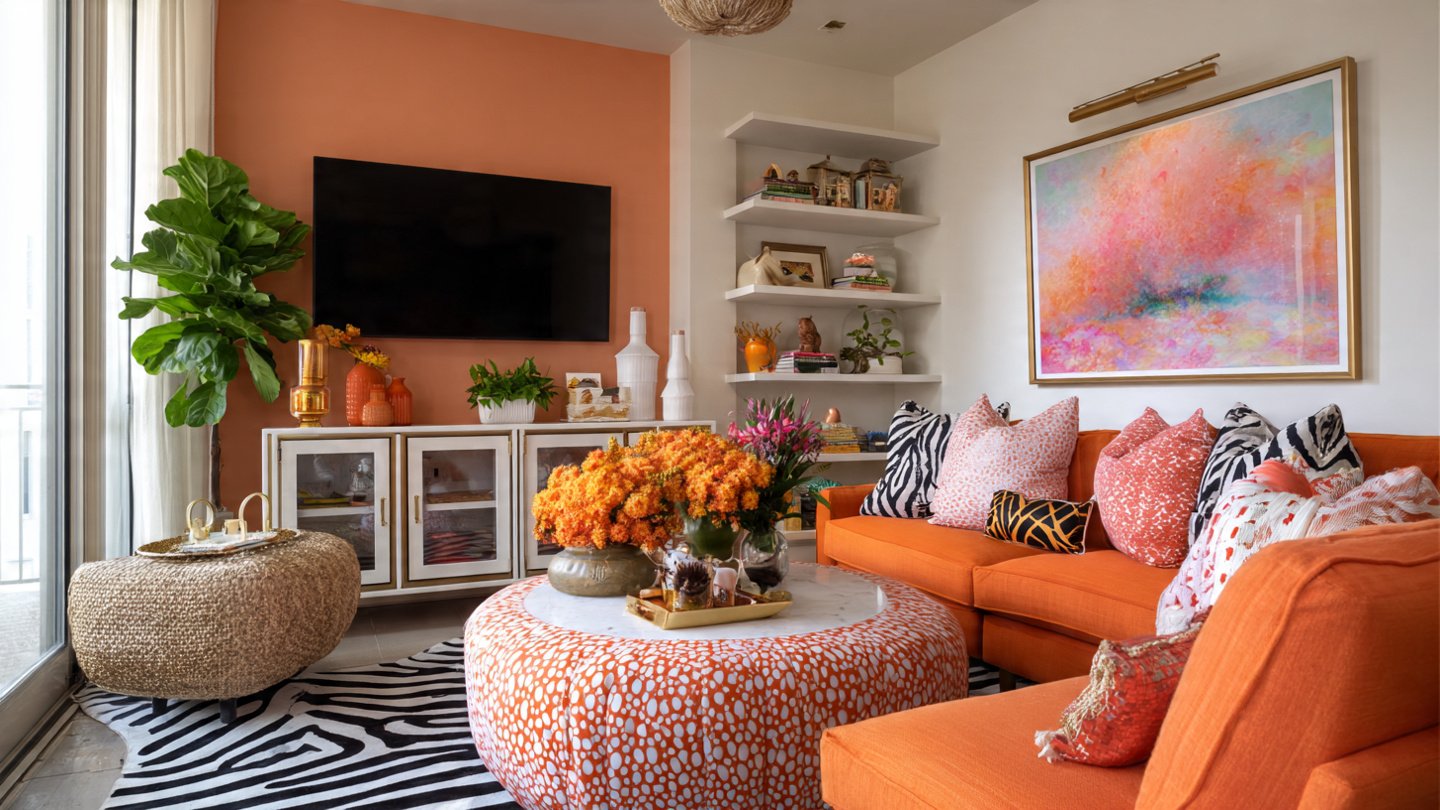
In today’s fast-paced world, urban living often comes with the challenge of limited space. Many of us find ourselves squeezed into apartments or small homes, making it essential to maximize every square foot of our living spaces. However, the good news is that with the right design principles—especially the strategic use of color—small rooms can be transformed into expansive oases of tranquility and style. One of the most compelling techniques for achieving this transformation is the use of color pop. This article delves into how color can enhance the perception of space, encourage relaxation, and add personality to small areas.
Understanding Color and Space
Before we dive into the specifics of using color pop, it’s essential to acknowledge how color influences human perception and emotion. Colors can evoke feelings, set the mood, and even affect our perception of space. Light colors, such as whites, creams, and pastels, tend to make a space feel larger and airier. Conversely, darker shades can create a cozy atmosphere but may make a room feel smaller if overused.
When we speak about color pop, we refer to deliberately using vibrant, saturated colors within a predominantly neutral palette. This mix can create focal points, draw the eye, and add visual interest while maintaining a sense of openness and calm.
The Psychological Effects of Color
One reason color pop is effective in transforming small spaces is its significant psychological impact. Different colors can induce varying emotional responses:
-
Blues and Greens: These hues are often associated with calm and serenity, reminiscent of nature. They can make a small space feel like a refreshing retreat.
-
Yellows and Oranges: These warm and inviting colors evoke happiness and energy. Used intelligently, they can make a room feel more inviting and cheerful.

-
Reds and Purples: Rich and vibrant colors like deep reds or purples can add a dramatic flair. However, moderation is key to preventing a cramped feel.
When applied thoughtfully in a small space, these colors can expand the perceived boundaries of the environment, making it feel like an oasis rather than a claustrophobic enclosure.
Choosing the Right Base Colors
To create an expansive oasis, start with a base color palette that emphasizes lightness and neutrality. Shades of white, beige, or soft grays work wonderfully as a backdrop, allowing pops of color to stand out without overwhelming the space.
Tips for Selecting Base Colors:
-
Light Reflective Surfaces: Choose paints with a satin or eggshell finish that reflect light rather than absorb it. This can help to create an illusion of height and spaciousness.
-
Consistent Palette: Stick to a limited palette of whites or neutrals for walls and larger furniture pieces. This removes visual clutter and allows the eye to flow seamlessly throughout the space.
-
Complementary Colors: Use colors that complement your base shades. For example, warm whites can be paired with soft blues for a refreshing effect.

Strategic Placement of Color Pops
Once you have established a neutral base, the next step is incorporating color pops strategically. Here are some ways to do this:
1. Accent Walls
Creating an accent wall in a bold color can instantly transform a small room. This wall draws attention and can make the room feel more layered and dynamic. For example, a deep teal accent wall can create a stunning backdrop for light-colored furniture, striking a balance between vibrancy and serenity.
2. Colorful Accessories
Incorporate colorful items such as throw pillows, rugs, artwork, or vases. These smaller accents allow for flexibility in your decor and can easily be swapped out as trends and personal tastes evolve. This approach encourages personalization while keeping the overall space light and airy.
3. Statement Furniture
Consider introducing a piece of furniture in a vibrant color, like a bright yellow chair or a rich teal sofa. Such pieces can serve as focal points that draw the eye, enhancing the overall aesthetic while avoiding overwhelming the space.
4. Interactive Elements

Consider using color in interactive or functional elements. A brightly colored desk chair or a bold dining table can energize a workspace or dining area, making it more inviting for use.
5. Artwork and Decor
Hang a large piece of vibrant artwork or use a gallery wall to create a dramatic focal point. Colorful art can influence the overall vibe of a room, providing both a pop of color and a conversation starter.
Utilizing Light to Enhance Color Pop
Natural and artificial light play crucial roles in how colors are perceived in a space. Here are tips to leverage light:
-
Natural Light: Maximize natural light with sheer curtains or minimal window treatments. This allows colors to shine and creates a broader visual field.
-
Mirror Magic: Use mirrors to reflect both light and color, making a room feel larger and more dynamic. A strategically placed mirror can double the effect of color pops and create a sense of depth.
-
Layered Lighting: Employing various types of lighting—ambient, task, and accent—can dramatically change how colors appear. Consider using warm LEDs to enhance a welcoming atmosphere.

The Role of Texture
While color pops primarily focus on hue, texture is another critical element in creating an expansive feeling. Different textures can add depth to a small space, making it more inviting and layered. Combining soft fabrics like velvet or linen with hard materials like wood or metal allows vibrant colors to stand out even more effectively.
-
Textured Fabrics: Use cushions, drapes, and rugs with different textures that pick up on your accent colors. This adds dimension and prevents flatness, inviting interaction.
-
Wall Textures: Consider textured wallpapers or paneling to create visual interest without overwhelming the senses. Subtle texture can enhance color without cluttering the eye.
-
Natural Elements: Incorporate plants with colorful leaves or vibrant pots. These living elements introduce not only color but also life and energy into the space.
Creating Visual Continuity
To enhance the effects of color pop and promote an expansive feel, aim for visual continuity throughout the space. Use similar hues (either in intensity or shade) across different rooms or areas. This connects spaces visually and psychologically, making them feel less confined.
-
Cohesive Color Themes: Choose a color palette that harmonizes throughout your home. This continuity creates a sense of flow and space, reducing interruptions that can make a room feel choppy.

-
Transitional Colors: If different rooms have different functions, consider using transitional colors that relate one room to the next. For instance, if your living room features blue accents, a light blue or gray could seamlessly move into a nearby bedroom or hallway.
Personalization is Key
Ultimately, the success of using color pop to transform a small space into an expansive oasis hinges on personal expression. Use colors that resonate with your emotions, tastes, and lifestyle. Capture what makes you feel happy and calm, and allow that to guide your choices.
-
Reflective Decor: Select decor items that tell your story, from framed photographs to souvenirs from travels. These personal elements enhance the oasis feel, making it uniquely yours.
-
Mix and Match: Don’t be afraid to experiment with color combinations that express your personality. The most captivating spaces often arise from unexpected color pairings that resonate with individuality.
Conclusion
Color pop is a powerful tool in interior design, especially for small spaces. Through careful selection of hues, strategic placement, and thoughtful layering of textures and light, you can create an expansive oasis that reflects your style and offers a sense of serenity. With a neutral foundation and vibrant accents, your small space can transform from a crammed enclosure into a delightful sanctuary, providing both comfort and aesthetic appeal. In a world where space is often limited, embracing color can provide the liberation needed for our lived experiences to flourish. By harnessing the power of color, we can truly create a sanctuary, regardless of size.