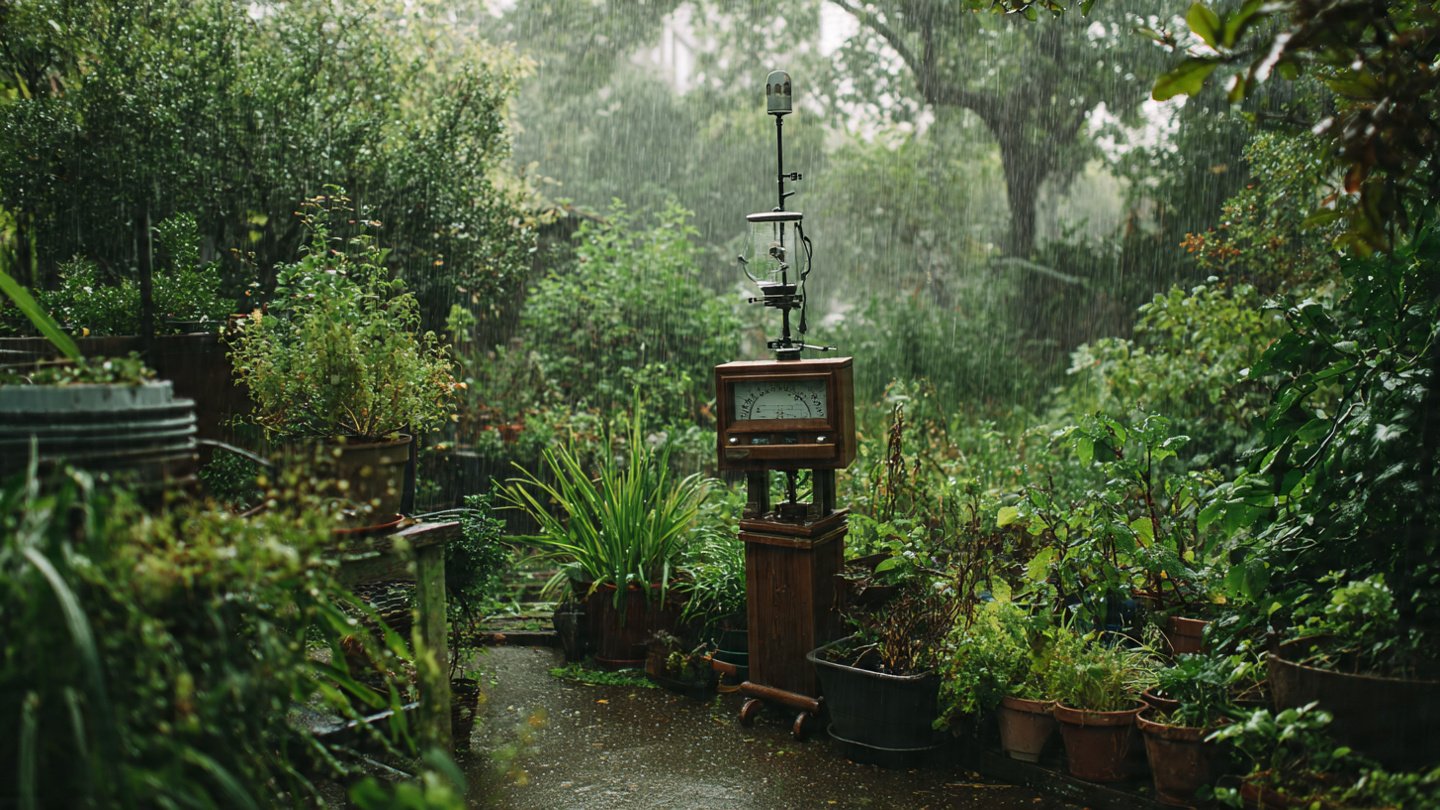
How Can a Weather Station Transform Your Garden’s Precision?
Gardening is not merely about planting seeds and waiting for them to grow; it involves understanding the environmental factors that influence plant health and growth. Temperature, humidity, wind speed, and precipitation all play crucial roles in gardening efficiency. In the age of technology, traditional methods of gauging these factors are giving way to more precise tools: weather stations. This article explores how installing a weather station can significantly enhance your gardening experience by providing accurate data and insights that empower you to make informed decisions.
1. Understanding the Basics: What is a Weather Station?
A weather station is an integrated system designed to collect and analyze atmospheric data. Unlike simplistic thermometers or rain gauges, modern weather stations often include sensors for temperature, humidity, barometric pressure, wind speed, and rainfall, among others. Many models also feature wireless connectivity, allowing real-time data transmission to your smartphone or computer.
Key Features of a Weather Station
- Temperature Monitoring: Essential for knowing ideal planting times, frost warnings, and heat thresholds.
- Humidity Sensors: Help in understanding moisture levels that affect plant transpiration.
- Barometric Pressure: Changes can indicate shifting weather patterns that may influence pest activity.
- Wind Speed and Direction: Critical for planning windbreaks and understanding evaporation rates.
- Rainfall Measurement: Provides insights into soil moisture and irrigation needs.
2. Improved Plant Care Through Data Analysis

The data collected by a weather station can transform your gardening approach in several significant ways:
Accurate Planting Decisions
Different plants have varied temperature needs. By monitoring local temperature trends, gardeners can decide the perfect time to sow seeds or transplant seedlings. No more guesswork—just precise timing based on real-time data.
Enhanced Water Management
A weather station provides data on rainfall and humidity levels, allowing you to adjust irrigation settings accordingly. By avoiding watered beds immediately after rainfall, gardeners can save water and promote healthier soil aeration. Soil moisture sensors, often included in weather stations, provide even more accuracy, preventing overwatering or underwatering.
Pest and Disease Control
Weather conditions can heavily influence pest populations and plant diseases. For instance, high humidity combined with warm temperatures can create an ideal environment for fungal infections. By receiving alerts from your weather station about such conditions, you can take preventive measures, such as applying fungicides or using organic deterrents, before problems arise.
3. Seasonal Planning and Crop Rotation
Weather stations can help you plan seasonal gardens more effectively. By analyzing historical weather data over several years, you can identify trends specific to your region.

Crop Selection
Certain plants thrive in specific climatic conditions. For instance, understanding the likelihood of frost can help you choose frost-resistant varieties or plan for the proper planting windows. With accurate data on your typical last frost date, you can time your planting to maximize growth and yield.
Crop Rotation Strategies
Weather data can also inform crop rotation strategies, essential for maintaining soil health and preventing pest build-up. For example, if a weather station indicates a particularly wet spring, you might opt to grow root vegetables that tolerate more moisture, reducing the risk of rot associated with overly wet soils.
4. Customization and Personalized Microclimates
Every garden is unique, shaped by the surrounding environment, topography, and microclimate. A weather station allows gardeners to create tailored approaches.
Microclimate Monitoring
Microclimates can vary significantly from one part of your garden to another. For example, shaded areas or those with restricted wind access often have different temperature and humidity profiles. A weather station can monitor these variations, enabling you to adapt your planting strategies:
- Sheltered Areas: Ideal for sensitive plants that require less wind exposure.
- Full Sun: Perfect for heat-loving crops during warmer months.

Creating Protected Spaces
Armed with insights from your weather station, you can create protected spaces using structures like greenhouses or shade cloth. This customization helps maximize your garden’s productivity and ensures plants thrive within their ideal microclimates.
5. Seasonal Alerts and Notifications
Modern weather stations often come equipped with alert systems. These notifications can be life-savers for gardeners who need timely updates about their environmental conditions.
Frost Alerts
Receiving instant alerts about potential frost nights allows you to cover sensitive plants or harvest crops before the first freeze hits. Such precautions can prevent significant losses and ensure your garden’s health remains intact year-round.
Extreme Weather Notifications
With climate change leading to more unpredictable weather conditions, knowing about storms, heavy rains, or drought warnings in advance helps gardeners prepare. This can include securing garden structures, harvesting fruits before spoilage, or ensuring efficient drainage to avoid waterlogging.
6. Community Engagement and Shared Data

Weather stations don’t just benefit individual gardeners; they can also facilitate community engagement and learning.
Citizen Science
Many weather stations connect with community databases, allowing gardeners to share their data. This transparency fosters a collective understanding of local climate patterns and helps everyone make more informed gardening decisions.
Learning from Each Other
Collaborating with neighboring gardeners can lead to valuable learning opportunities. By sharing data and experiences, you can learn about successful strategies employed in similar conditions and adapt them for your garden.
7. The Environmental Benefits of Using Weather Stations
Incorporating a weather station into your gardening practices can contribute significantly to environmental sustainability.
Resource Optimization
By employing precise data for irrigation and pest management, you can significantly reduce water usage and chemical runoff. Efficiently managing resources not only benefits your garden but also helps conserve local water supplies and minimizes chemical impacts on surrounding ecosystems.

Biodiversity Enhancement
A well-monitored garden is more likely to support diverse plant life, fostering healthy habitats for beneficial insects and pollinators. By creating optimal growing conditions and limiting the use of chemicals, you can encourage a balanced ecosystem.
8. Conclusion: A New Era in Gardening Precision
As technology continues to advance, the tools available to us in the gardening space become increasingly sophisticated. Weather stations stand at the forefront of this innovation, providing invaluable insights that can transform gardening from a labor-intensive, guesswork endeavor into a precise, data-driven practice.
From improving water management and pest control to allowing for informed seasonal planning, the benefits of implementing a weather station in your garden cannot be overstated. The real-time data empowers you to take control of your gardening environment, optimize resource use, and enhance the health and productivity of your plants.
As the world evolves, so too should our gardening practices. Embracing technology, like weather stations, not only leads to better gardens but also fosters greater environmental responsibility, promoting sustainability for generations to come. Whether you’re a novice gardener or an experienced horticulturist, equipping your garden with a weather station is a step toward precision gardening and a more fruitful, sustainable future.