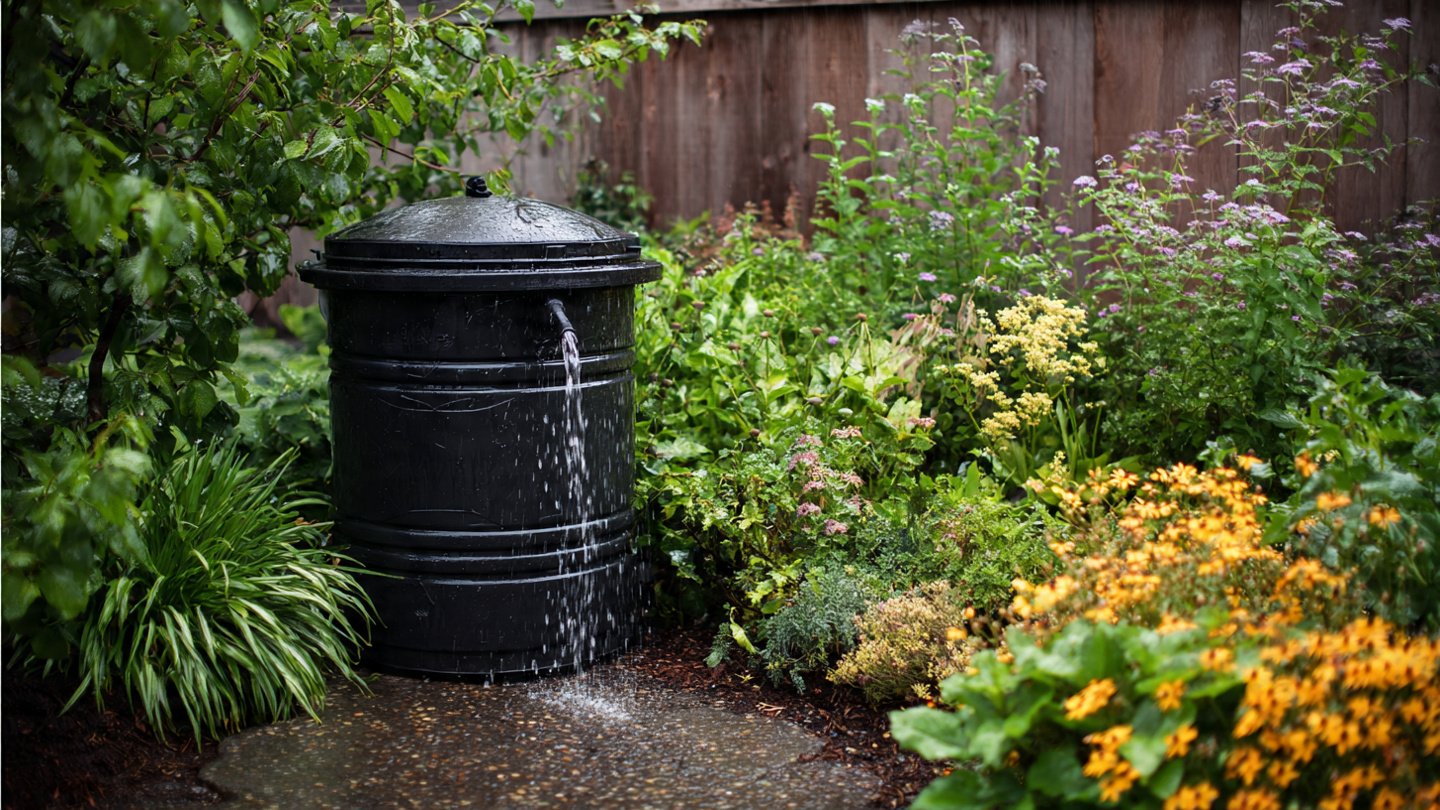
Rainwater harvesting is an age-old practice that has gained renewed interest among gardeners and homeowners looking for sustainable ways to care for their plants. A rain barrel offers an effective and efficient means to collect and store rainwater, transforming your gardening routine in several beneficial ways. By integrating a rain barrel into your gardening practices, you can not only conserve water but also enhance the health and vitality of your garden.
The basic concept of a rain barrel is simple yet effective. It’s a container, often made of plastic or wood, that collects rainwater from roofs via gutters. A rain barrel is typically equipped with an inlet, a spigot, and sometimes a screen to filter debris. This simple setup allows you to seize the intermittent rains that might otherwise run off your roof and into storm drains.
One of the primary benefits of using a rain barrel is water conservation. Freshwater resources are dwindling in many parts of the world, leading to increased costs and stricter regulations on water usage. By collecting rainwater, you reduce your reliance on municipal water supplies. This practice is particularly beneficial during dry periods when water scarcity can be an issue. Using rainwater for watering your garden not only helps reduce your utility bills but also alleviates the demand on local water supplies.
Another vital benefit of using a rain barrel is the quality of the water. Municipal water often contains additives like chlorine and fluoride, which are harmful to plants. Additionally, tap water can fluctuate in pH levels, affecting soil health. In contrast, rainwater is naturally soft and devoid of these chemicals, making it an optimal choice for nurturing plants. It can enhance soil quality and support beneficial microorganisms, creating a thriving environment for your garden.
The efficiency of using a rain barrel can significantly change your watering routine. Instead of relying on a garden hose or overhead sprinklers that can waste water through evaporation and runoff, a rain barrel allows you to apply water more directly and precisely at the root level. This targeted watering is not only less wasteful but also promotes healthier and stronger plant growth. Plants tend to thrive when they receive water directly at their roots, as opposed to excess water evaporating into the atmosphere before it reaches the soil.
Using a rain barrel also facilitates a more sustainable gardening practice. When you collect rainwater, you are effectively using a resource that is naturally replenished. This practice helps close the loop in your gardening process, making you more self-sufficient. Additionally, many gardeners use rain barrels in conjunction with other sustainable practices, such as composting and organic gardening, creating a more holistic approach to gardening.
Maintaining a rain barrel is relatively straightforward, requiring minimal effort to keep it in good condition. Regular cleaning ensures that debris doesn’t block the inlet and that the water in your barrel remains clear. It’s also vital to ensure that the barrel is correctly covered to prevent mosquito breeding and contamination. By keeping your rain barrel well-maintained, you can enjoy a reliable source of water for your garden year after year.
The integration of rain barrels into your garden can also inspire creativity in your gardening techniques. By positioning rain barrels near different sections of your garden, you can tailor your watering routine to meet the specific needs of various plants. For example, vegetable gardens may require more frequent watering than ornamental flower beds. By utilizing multiple rain barrels, each dedicated to a particular area, you can optimize your watering strategy accordingly.
Moreover, a rain barrel can serve as an educational tool, particularly for families with children. Introducing kids to the concept of rainwater harvesting can foster a greater appreciation for nature and environmental sustainability. Teaching children about the water cycle, conservation, and how to use rain barrels can instill lifelong values that contribute to a more sustainable future. Engaging children in gardening activities using harvested rainwater can also provide them with valuable hands-on learning experiences.
Landscapers and garden designers also recognize the importance of integrating rain barrels into their designs. They not only offer an eco-friendly solution but can also enhance the overall aesthetics of the garden. Decorative rain barrels can serve as focal points or blend seamlessly into the landscape. Mixing functionality with beauty, these barrels can be designed to complement various garden themes and styles, from rustic to modern.
In addition to the practical benefits, rain barrels can provide a unique opportunity to create a more biodiverse environment. When rainwater is diverted from standard drainage systems, it naturally slows down the flow of water, allowing it to seep into the soil below. This process can help replenish groundwater supplies and promote healthy soil life, attracting beneficial insects, birds, and microorganisms to your garden.
From a financial standpoint, investing in a rain barrel can pay dividends over time. The initial cost of purchasing a rain barrel can be offset by reduced water bills and the savings generated by growing your own vegetables and herbs. Many municipalities offer rebates or discounts for homeowners who install rain barrels, further incentivizing this eco-friendly practice.
If you’re considering incorporating a rain barrel into your gardening routine, a few tips can help you get started effectively. First, choose a barrel that is appropriate for your garden size and layout. Standard rain barrels typically hold anywhere from 50 to 100 gallons, offering ample storage for most gardens. Ensure that the barrel is made from food-grade materials to prevent contamination.
Secondly, identify the best location for your rain barrel. It should be close to a downspout for easy water collection but far enough to avoid overflowing into the nearby soil. Consider the accessibility of the barrel for easy filling of watering cans or connecting a hose.
Next, inset a splash pad under the downspout where rainwater will be collected. This helps direct the flow into the barrel without causing soil erosion. Additionally, installing a diverter can make collection even easier, guiding rainwater directly into the barrel while allowing excess water to drain away safely.
Finally, always be mindful of the legal considerations around rainwater harvesting. Some regions have regulations in place regarding the collection of rainwater, so it’s important to familiarize yourself with local laws before starting.
In conclusion, a rain barrel can profoundly transform your gardening routine through water conservation, improved soil health, and enhanced biodiversity. This simple yet effective solution promotes sustainable gardening practices, reduces your reliance on municipal water, and contributes to a more eco-friendly lifestyle. By integrating a rain barrel into your garden, you not only support your plants’ growth but also actively participate in the broader movement toward sustainability, making each watering session a step toward a greener future. Whether you are an experienced gardener or just starting, the benefits of using a rain barrel are undeniable. Your garden—and the environment—will thank you.

