Introduction
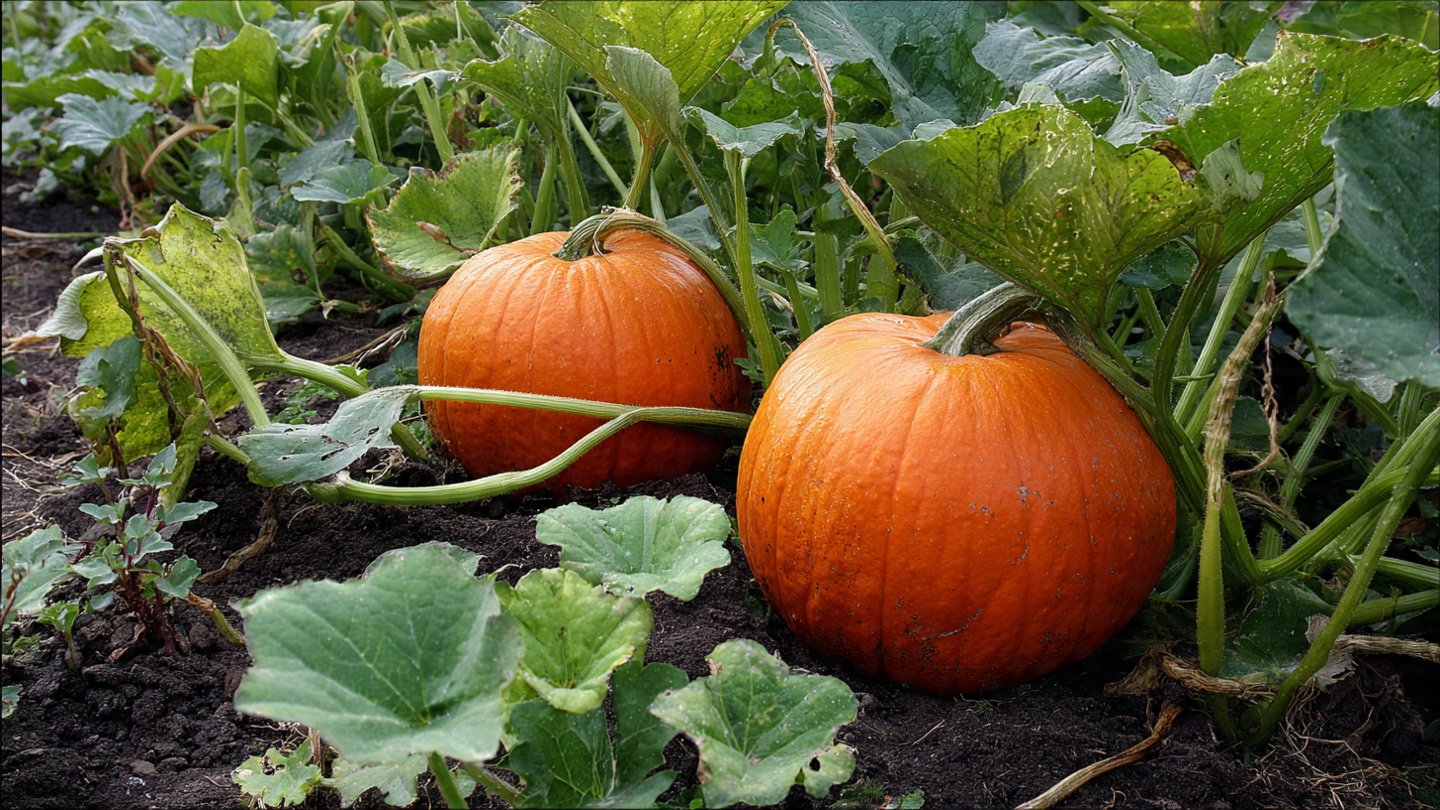
As the fall season approaches and the leaves begin to change, many people find themselves yearning for the delicious treats that the harvest brings—especially pumpkin pie. There’s something exceptionally satisfying about creating a delicious dessert from scratch, and what could be better than growing your own pumpkins? Cultivating pumpkins isn’t just about satisfying your baking aspirations; it’s a rewarding endeavor that connects you with nature and gives you a sense of pride in your garden. This article explores how you can successfully grow your own pumpkins, ensuring you have fresh, homegrown ingredients for your holiday pies.
Understanding Pumpkin Variety
Growing your own pumpkins starts with selecting the right variety. Not all pumpkins are created equal when it comes to baking. While decorative pumpkins make for great displays, they are often not suitable for pies. The best type of pumpkin for baking is the sugar pumpkin (also known as pie pumpkin), which is smaller, sweeter, and has denser flesh than its larger counterparts.
Some recommended varieties include:
- Liberty: An heirloom variety with a sweet flavor and smooth texture.
- Sweet Sugar: A prolific producer known for its sweetness.
- Winter Luxury: Renowned for its fine flavor and smooth skin.

Preparing to Grow Pumpkins
Once you’ve selected your variety, the next steps involve planning and preparation. Here are some crucial tips to ensure a fruitful pumpkin-growing season:
- Choose the Right Location: Pumpkins thrive in full sunlight. Select a location in your garden that receives at least 6-8 hours of sunlight daily. Additionally, ensure the soil is well-drained to prevent root rot.
- Soil Quality: Pumpkins enjoy nutrient-rich soil. You can improve soil quality by incorporating compost or well-rotted manure. Testing your soil’s pH can also be beneficial; pumpkins prefer a pH of 6.0 to 6.8.
- Seed or Seedling? You can start your pumpkins from seed indoors or sow them directly into the garden after the last frost. If you opt for seeds, plant them about 1 inch deep and 2-3 feet apart to allow adequate space for sprawling vines.
Caring for Your Pumpkin Plants
Once your pumpkins are planted, a consistent care regimen is essential. Here are some areas to focus on:
- Watering: Pumpkins require a lot of water. Aim to provide about 1 inch of water per week, either through rainfall or irrigation. Watering deeply and less frequently encourages deep root growth.
- Fertilization: Use a balanced fertilizer during the growing season to support vigorous growth. After the vines start to flower, switching to a fertilizer higher in potassium can promote fruit development.
- Pest Management: Keep an eye out for pests like squash bugs and aphids. Use organic pest control methods such as neem oil or insecticidal soap if necessary.
- Pruning: Prune any dead leaves or vines to prevent disease and redirect energy towards fruit production.
Harvesting Your Pumpkins
Timing is crucial when it comes to harvesting pumpkins. Generally, pumpkins are ready to be harvested 90-120 days after sowing. Look for the following signs to determine ripeness:
- The skin should be hard and not easily dented with your fingernail.
- Vines will start to wither and die back.
- The color should be uniform and bright.
To harvest, use a sharp knife or pruners to cut the stem, leaving several inches of stem attached to the fruit. Handle them carefully to avoid bruising.
Preparing Your Pumpkins for Pie
Once harvested, you get to the exciting part: transforming your homegrown pumpkins into delicious pies! Here’s how to prep them:
- Cleaning: Start by cleaning your pumpkins. Rinse the skin with water to remove any dirt.
- Cutting and Baking: Cut the pumpkin in half and scoop out the seeds and pulp. You can roast the seeds for a tasty snack! Place the pumpkin halves cut-side down on a baking sheet and bake at 350°F (175°C) until the flesh is tender (about 45 minutes to an hour).
- Pureeing: Once cooled, scoop out the flesh and blend it until smooth. This fresh pumpkin puree can be used in recipes or stored in the freezer for up to six months.
Making the Perfect Pumpkin Pie
Now that you have your homemade pumpkin puree ready, it’s time to make a delightful pumpkin pie. Here’s a simple recipe to follow:
Ingredients:
- 1 ¾ cups pumpkin puree
- 1 cup heavy cream
- ¾ cup brown sugar
- ½ cup granulated sugar
- 3 large eggs
- 1 teaspoon cinnamon
- ½ teaspoon nutmeg
- ¼ teaspoon clove
- ¼ teaspoon salt
- 1 pie crust
Instructions:
- Preheat your oven to 425°F (220°C).
- In a bowl, mix the pumpkin puree, sugars, spices, salt, and eggs until well combined.
- Slowly stir in the heavy cream until the mixture is smooth.
- Pour the filling into the pie crust.
- Bake for 15 minutes, then reduce the temperature to 350°F (175°C) and continue baking for another 40-50 minutes until set.
- Let it cool before serving.
Conclusion
Growing your own pumpkins not only provides you with delicious ingredients for holiday pies, but it also gives you a sense of accomplishment and connection to your food. With proper care and attention, anyone can cultivate beautiful pumpkins right in their backyard. So, gather your seeds, prepare your garden, and savor the joy of growing your own pumpkins for those delightful holiday treats.
FAQs
Can I grow pumpkins in pots?
Yes, you can grow pumpkins in large pots, but ensure they have enough space to spread out. Choose smaller varieties, like mini pumpkins, for better results.
How long does it take for pumpkins to grow?
Typically, pumpkins take about 90-120 days from planting to harvest, depending on the variety and growing conditions.
What is the best time to plant pumpkins?
Pumpkins are best planted in late spring after the last frost date, when the soil temperature is consistently above 70°F (21°C).
Can I save seeds from my pumpkins for next year?
Yes, you can save seeds from your pumpkins by cleaning and drying them thoroughly. Make sure to store them in a cool, dry place for the next planting season.
Do pumpkins need a lot of space?
Yes, pumpkin vines can spread out quite a bit. Make sure to provide at least 3-5 feet of space between each plant to allow ample room for growth.