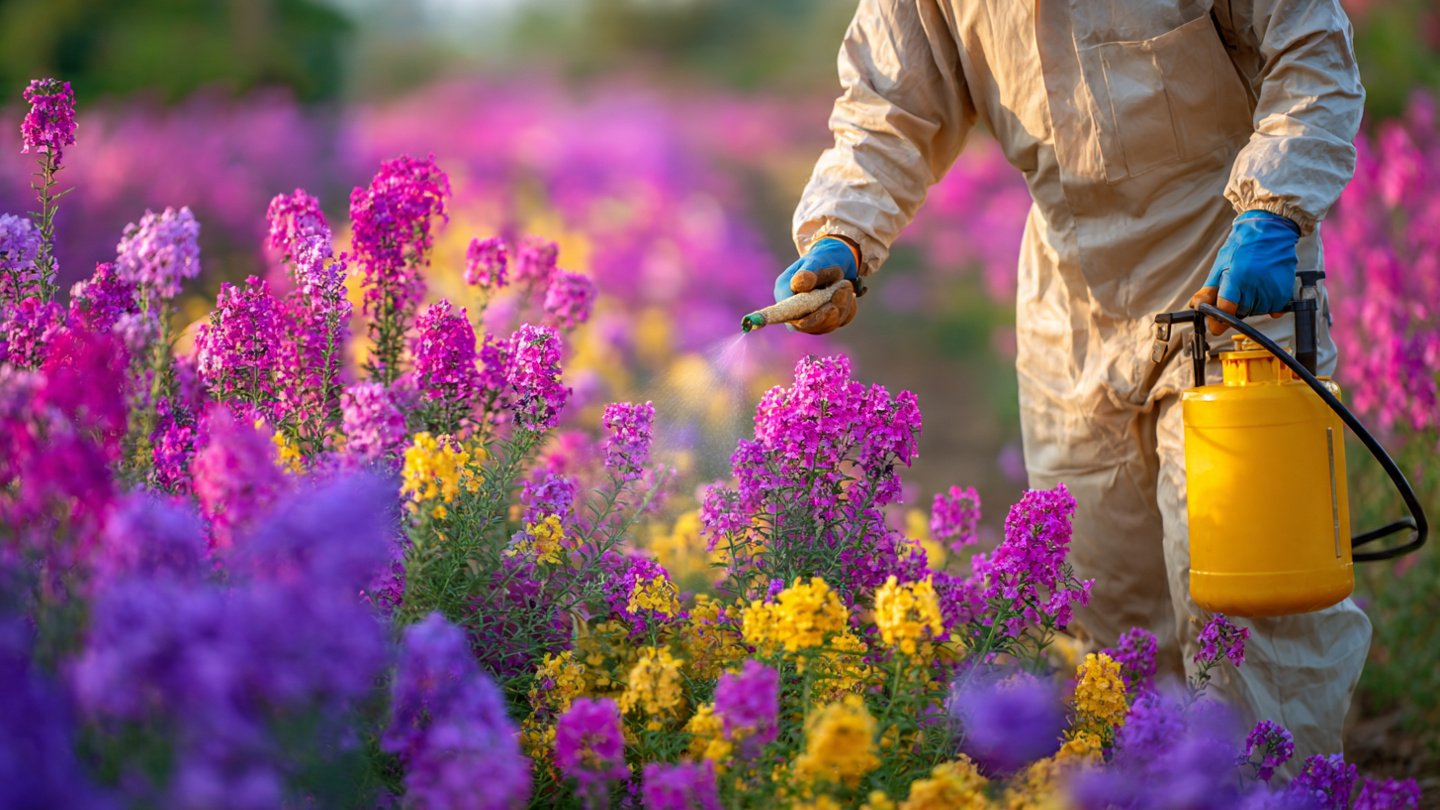
Pesticides are essential for protecting crops and ensuring good harvests; they help in controlling various pests and diseases. However, chemical pesticides often come with environmental and health concerns. As such, the search for natural alternatives has gained momentum. One promising area of exploration is the use of flowers in crafting effective natural pesticides. This article delves into the potential of flowers for this purpose, discussing their benefits, methods of cultivation, application, and broader implications for sustainable agriculture.
The Benefits of Using Natural Pesticides
Utilizing natural pesticides offers several advantages over synthetic options:
- Environmental safety: Natural pesticides are less likely to cause pollution, benefiting both ecosystems and biodiversity.
- Health considerations: They are generally safer for farmers, consumers, and non-target species, reducing harmful chemical exposure.
- Sustainability: Natural pesticides can lead to sustainable agricultural practices, promoting soil health and ecosystem balance.
- Target specificity: Many natural pesticides are less harmful to non-target organisms, unlike broad-spectrum chemical pesticides.
Key Flowers for Natural Pesticide Production
Several flowers have been identified for their pesticidal properties. These include:
1. Marigolds (Tagetes spp.)
Marigolds are often planted as companion plants because they repel nematodes and various insect pests. Their flowers contain compounds like thiophenes that have insecticidal properties.

2. Chrysanthemums (Chrysanthemum spp.)
Chrysanthemums contain pyrethrin, a natural insecticide that can effectively control a range of pests such as mosquitoes, flies, and cockroaches.
3. Nasturtiums (Tropaeolum majus)
Nasturtiums have antifungal and insect-repelling properties. Their flowers and leaves can deter aphids and other common garden pests.
4. Lavender (Lavandula spp.)
Lavender is known for its aromatic properties, but it also has insect-repelling qualities, particularly against moths and mosquitoes.
5. Violets (Viola spp.)
Violets can act as natural insect deterrents, adding beauty to gardens while helping control pests.
How to Cultivate Flowers for Pesticide Production
Growing flowers for natural pesticide production requires careful planning and cultivation practices. Here are the steps to consider:
1. Choose the Right Flowers
Select flowers known for their natural pesticide properties. Consider the growing conditions, climate, and pest challenges in your area.

2. Planting and Care
Follow these guidelines for planting:
- Choose a sunny location with well-drained soil.
- Incorporate organic matter, like compost, to enrich the soil.
- Water the plants regularly but avoid waterlogging.
- Practice crop rotation and companion planting to enhance pest control.
3. Harvesting
Harvest flowers at the right stage—typically when they are fully bloomed but before they start to wilt. This ensures optimal concentration of pesticidal compounds.
Extracting Natural Pesticides from Flowers
Once you have harvested flowers, the extraction process begins. Here are some common methods:
1. Infusion Method
This is a simple process. Soak the flowers in water for several hours or overnight. Strain the mixture and use the liquid as a spray pesticide.

2. Oil Extraction
Combining flowers with carrier oils (like neem oil or olive oil) can extract their beneficial properties. Infuse the oil over low heat for several hours, then strain it for use.
3. Alcohol Extraction
Use a high-proof alcohol to soak the flowers, allowing the active compounds to dissolve. This method is particularly effective for chrysanthemum flowers.
Application and Efficacy
Once natural pesticides are prepared, proper application is crucial for effectiveness:
- Timing: Apply pesticides during the early morning or late afternoon to avoid direct sunlight which can degrade the compounds.
- Targeting: Focus on areas where pests are most prevalent. Application can be done using a spray bottle or garden sprayer.
- Frequency: Reapply every few days for best results, especially after rain or heavy watering.
While natural pesticides may not be as fast-acting as synthetic options, they can offer long-term pest control and support overall plant health.
Challenges and Considerations

Despite the benefits, there are challenges in using natural pesticides from flowers:
- Effectiveness: Natural pesticides may not work against all pests and could require integration with other pest management strategies.
- Variability: The potency of natural extracts can vary depending on growing conditions and plant health.
- Scale: Producing enough flowers for effective pest control in large-scale agriculture can be challenging.
The Future of Natural Pesticides
As the agricultural sector increasingly shifts towards sustainable practices, flowers as sources of natural pesticides are gaining attention. Research and development can enhance our understanding of flower-based pesticides, leading to optimized extraction processes and improved formulations. Potential collaborations between scientists and farmers could pave the way for innovative applications that ensure food security while promoting environmental stewardship.
Conclusion
Natural pesticides derived from flowers hold significant potential for sustainable agriculture, offering an alternative to synthetic chemicals. With the right cultivation practices, harvesting methods, and application strategies, these natural solutions can contribute to pest management effectively while preserving ecological balance. As awareness and research continue to grow, the utilization of flowers in pest control could shape the future of farming, enhancing both health and biodiversity.
FAQs
1. Can I use natural pesticides on all plants?
While many natural pesticides are safe for a wide range of plants, it’s important to test a small area first to check for any adverse reactions.

2. How do natural pesticides compare to chemical pesticides?
Natural pesticides are often safer for the environment and human health, but they may require more frequent application and may not be as fast-acting as chemical options.
3. How long do natural pesticides last?
The effectiveness of natural pesticides can vary; they often need to be reapplied after rain or heavy watering and generally don’t have the long shelf-life of synthetic products.
4. Are there any pests that natural flower-based pesticides can’t control?
Some persistent pests may not be effectively controlled solely with natural pesticides, and it may be necessary to combine them with other pest management strategies.
5. Where can I learn more about cultivating flowers for natural pesticides?
Consider looking into agricultural extension services, local gardening clubs, and reputable online resources that focus on organic or sustainable gardening practices.