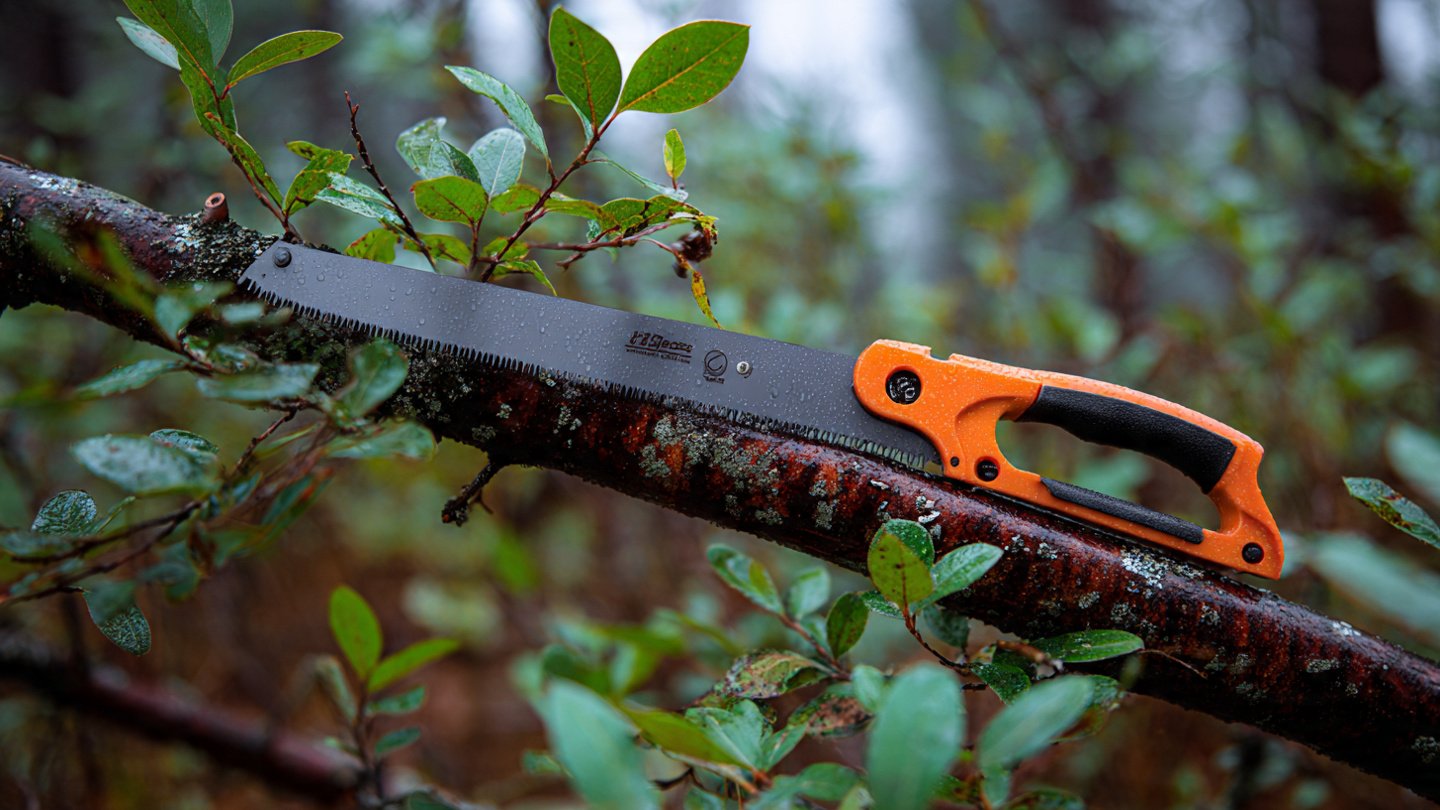
When it comes to maintaining the health and aesthetics of your landscape, one of the most vital tools in your gardening arsenal is a pruning saw. Though many garden enthusiasts rely on shears or loppers for their pruning tasks, thick branches present a different challenge that often requires a specialized tool. This article delves into the reasons why using a pruning saw for thick branches is not just beneficial but often essential for effective tree and shrub maintenance.
Understanding the Pruning Saw
A pruning saw is a small, hand-held saw designed specifically for pruning trees and shrubs. It has a narrower blade than a standard saw, allowing for precise cuts in tight spaces. Typically, pruning saws come in two forms: folding saws and straight saws. The design accommodates accessibility, maneuverability, and ease of storage, making them a practical choice for both amateur gardeners and seasoned horticulturists.
1. Efficiency in Cutting Thick Branches
One of the primary reasons to use a pruning saw for thick branches is the efficiency of the cut. Lovingly maintained gardens can have thick branches due to various reasons—growth from vigorous plants, neglect, or seasonal changes. A pruning saw, equipped with sharp teeth specifically made for cutting wood, can slice through thicker branches with considerably less effort compared to other tools.
Specialized Teeth Design
Pruning saws feature specially designed teeth that are larger and spaced farther apart than those on standard hand saws. This design enhances cutting efficiency by allowing chips of wood to clear quickly, preventing clogging. The aggressive cutting action is particularly helpful on branches that are too thick for bypass pruners or loppers.

2. Cleaner Cuts and Healthier Plants
Using a pruning saw ensures cleaner, more precise cuts. Jagged or uneven cuts can lead to tearing of the bark and damage to the vascular tissues of the plants. This damage can create entry points for pests and diseases, jeopardizing the health of the entire plant.
Promoting Healing and Growth
When you make clean cuts, you allow the plant to heal more effectively. A smooth cut promotes the formation of callus tissue, which eventually covers the wound and reduces the risk of infection. Optimal healing encourages new growth, helping maintain the overall vitality of the plant.
3. Increased Safety for Gardeners
When tackling thick branches, safety is paramount. Using inappropriate tools for the job can lead to accidents, including slips, falls, or even injury from the tool itself. Pruning saws are generally lighter and more easy to handle than larger saws or chainsaws, making them safer options for less experienced gardeners.
Better Control

Due to their design, pruning saws offer better control while cutting. Gardeners can maneuver the saw easily around thick branches, thereby reducing the chances of cutting oneself or damaging nearby branches. Furthermore, folding pruning saws can be safely stored when not in use, minimizing accidental injury.
4. Versatility and Accessibility
Another advantage of using a pruning saw is its versatility. Pruning saws can adapt to different situations, whether it involves cutting branches at awkward angles or trimming back overcrowded shrubs.
Use in Tight Spaces
The compact design of most pruning saws makes them ideal for cutting branches in tight spaces where larger saws might be cumbersome. Gardeners can maneuver the saw in dense foliage or cramped areas around fences and other plants without damaging surrounding growth.
Pruning at Height
For taller branches, telescoping pruning saws can extend the reach significantly, allowing gardeners to prune high branches while remaining safely on the ground. This adaptability is especially valuable for maintaining fruit trees or ornamental trees that are prone to overgrowth.

5. Economical and Eco-Friendly
Using a pruning saw can also be an economical choice. Unlike electric saws and chainsaws that require an investment in power sources, maintenance, and sometimes fuel, hand-operated pruning saws are much simpler. They are usually less expensive and require minimal maintenance, making them an excellent long-term investment for garden enthusiasts.
Eco-Friendly Solution
In today’s environmentally conscious world, opting for manual tools helps reduce carbon footprints. They require no electricity or fuel, and their simple mechanics contribute to less waste. For those who prioritize sustainable practices, a pruning saw represents an eco-friendly solution to gardening needs.
6. Greater Precision for Aesthetic Trimming
In landscaping, aesthetics matter. Whether you’re shaping a hedge, trimming a tree, or maintaining a garden, precision is crucial for achieving the desired look. A pruning saw allows gardeners to execute more refined cuts that enhance the overall appearance of plants.
Sculpting Techniques
For those interested in bonsai or sculptured gardening, a pruning saw is indispensable. It allows for precise cuts that maintain the integrity of plant structure while promoting the desired shape. Whether you are creating a topiary or simply ensuring your trees have a balanced aesthetic, the ability to cut with accuracy is vital.

7. Encouraging Seasonal Growth
Another critical aspect of using a pruning saw is its ability to stimulate seasonal growth. Many plants need regular pruning to encourage new growth in the spring, and using the right tool is key to achieving this.
Pruning Timing
Understanding the right time to prune is essential for optimal growth. Many plants thrive when pruned during their dormant season. Using a pruning saw enables gardeners to make necessary cuts without harming the plant, setting it up for a successful growing season.
8. The Satisfaction of Manual Work
Finally, there is a rich, rewarding sense of accomplishment that comes from manual pruning. Using a hand saw engages gardeners physically and mentally, fostering a deeper connection with their plants. Many find trimming to be a relaxing, meditative experience that cultivates a greater appreciation for the natural world.
Skills Development

Additionally, mastering the use of a pruning saw hones various skills. Over time, gardeners develop a better understanding of plant health, structure, and growth patterns, enabling them to make more informed decisions in their gardening practices.
Conclusion
In summary, the pruning saw is an essential tool for anyone serious about gardening, especially when dealing with thick branches. From its efficiency and safety to its ability to promote healthy plant growth and aesthetic appeal, the advantages of using a pruning saw are compelling. Whether you are a seasoned gardener or a novice looking to maintain your yard, investing in a quality pruning saw can significantly enhance your gardening experience.
In the end, the right tools set the foundation for healthy and vibrant plants. A pruning saw is not just a tool; it is an investment in the future of your landscape—a means of nurturing your plants while maintaining their beauty and health for years to come.