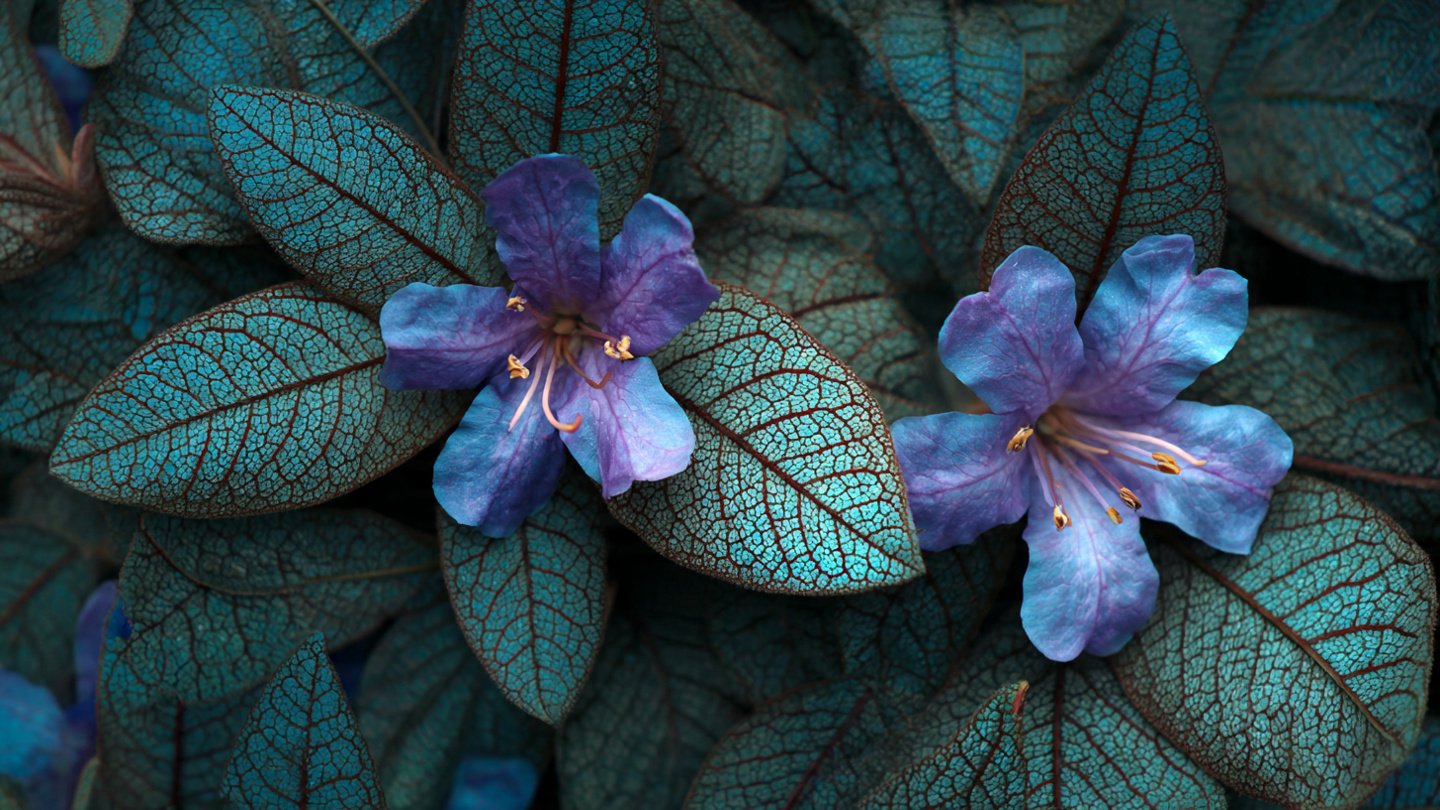
Flowers often captivate our senses with their vibrant petals and enchanting fragrances, but one of the most intriguing aspects of many plants lies hidden within their leaves. Thick, leathery leaves are not merely a result of evolution but serve several vital functions and offer secrets that can greatly enhance our understanding of plant biology, ecology, and their role in human life.
Understanding Leathery Leaves
Leathery leaves, commonly found in plants such as succulents, some ferns, and various tropical flora, exhibit a unique texture that sets them apart from softer-leaved plants. Their structure is adapted to thrive in specific environmental conditions, providing insights into the plant’s evolutionary history.
1. Water Conservation
Thick, leathery leaves primarily serve one vital purpose: water conservation. These leaves minimize water loss through a combination of structural adaptations:
- Cuticle Layer: The outer layer of a leaf, known as the cuticle, is made of waxy substances that reduce water evaporation.
- Stomatal Regulation: Many plants with leathery leaves have fewer stomata, the tiny openings that facilitate gas exchange. This adaptation reduces transpiration.

In arid environments, such adaptations are crucial for survival. With minimal water available, plants must efficiently store and conserve moisture, and thick, leathery leaves play a significant role in achieving this goal.
2. Protection from Herbivores
Another hidden secret of leathery leaves is their role in protecting plants from herbivores. The toughness and thickness of these leaves can deter animals from grazing on them. This natural defense mechanism helps ensure the survival and reproductive success of the plant species.
Moreover, some plants produce chemicals within their leathery leaves. These secondary metabolites can have toxic or unpalatable properties, further discouraging herbivorous insects and animals. This interplay between plant structure and chemical defense showcases the intricate relationships in nature.
3. Adaptation to Harsh Environments
Leathery leaves are especially common in plants native to tough environments, such as coastal areas, deserts, and rocky hillsides. Here, the adaptation serves not just to conserve water but also to withstand strong winds and extreme temperatures.

For example, the leaves of many coastal plants are thick and leathery to resist salt spray and harsh sun exposure. This adaptation allows them to thrive where other plants might perish.
4. Energy Storage
In addition to their protective and water-conserving functions, leathery leaves play a role in energy storage. Many plants store energy in the form of carbohydrates within their leaves. This stored energy is crucial, especially during periods when photosynthesis is less optimal, such as in low-light conditions or during droughts.
Thicker leaves can support more chlorophyll, allowing for efficient photosynthesis, even in less-than-ideal environmental conditions. This storage capability ensures that the plant can continue to thrive when conditions improve.
5. Ecological Roles
Thick-leaved plants often hold essential ecological roles within their environments. They can act as:
- Habitat: These plants can provide shelter for various animal species.
- Food Source: Some animals, including insects and birds, feed on the leaves, benefiting from the nutrients stored within.
- Erosion Control: The strong root systems and hardy leaves help prevent soil erosion, maintaining the ecological balance.
Each of these roles showcases how leathery leaves are not merely an adaptation for individual plant survival but a cornerstone of the ecosystem’s health and vitality.
The Nutritional and Medicinal Value of Leaves
Interestingly, the secrets of leathery leaves extend beyond their ecological roles. Many plants with thick leaves are prized for their nutrition and medicinal properties. Below are some common examples:
- Aloe Vera: Known for its healing properties, Aloe Vera’s thick leaves contain a gel rich in vitamins and antioxidants, aiding in skin healing and hydration.
- Agave: This succulent plant has thick leaves rich in carbohydrates, which ferments to produce tequila. Agave also holds medicinal uses in traditional remedies.
- Ficus carica (Common Fig): The large, leathery leaves of this tree are known for their role in traditional medicine, reputed to have anti-inflammatory and antioxidant properties.
Conclusion
The thick, leathery leaves of many flowers and plants harbor secrets that go beyond mere aesthetics. Their adaptations for water conservation, protection from predators, and energy storage underline a complex interplay of strategies evolved over millennia. Understanding these leaves deepens our appreciation for floral biodiversity and their essential roles in ecosystems worldwide. From providing habitat to serving as a key resource in traditional medicine, leathery leaves are vital players in the narrative of nature’s resilience and ingenuity.
FAQs
What types of plants typically have thick, leathery leaves?
Thick, leathery leaves are commonly found in succulents, some ferns, and many tropical plants, such as rubber plants and certain species of palms.
How do thick leaves improve a plant’s water retention?
The waxy cuticle and fewer stomata reduce water loss by minimizing evaporation, allowing the plant to store moisture more effectively in arid conditions.

Can thick leaves also pose any disadvantages to plants?
Yes, while thick leaves provide various advantages, they can also limit photosynthesis in low-light environments due to reduced surface area compared to thinner leaves.
Are there specific environmental conditions that favor the development of leathery leaves?
Yes, leathery leaves are typically favored in arid, coastal, or rocky environments where water conservation is critical for survival.
What role do leathery leaves play in human diets?
Many plants with leathery leaves, like Aloe Vera and Agave, are used in cooking, traditional medicine, and even for beverages like tequila, showcasing their nutritional and economic value.