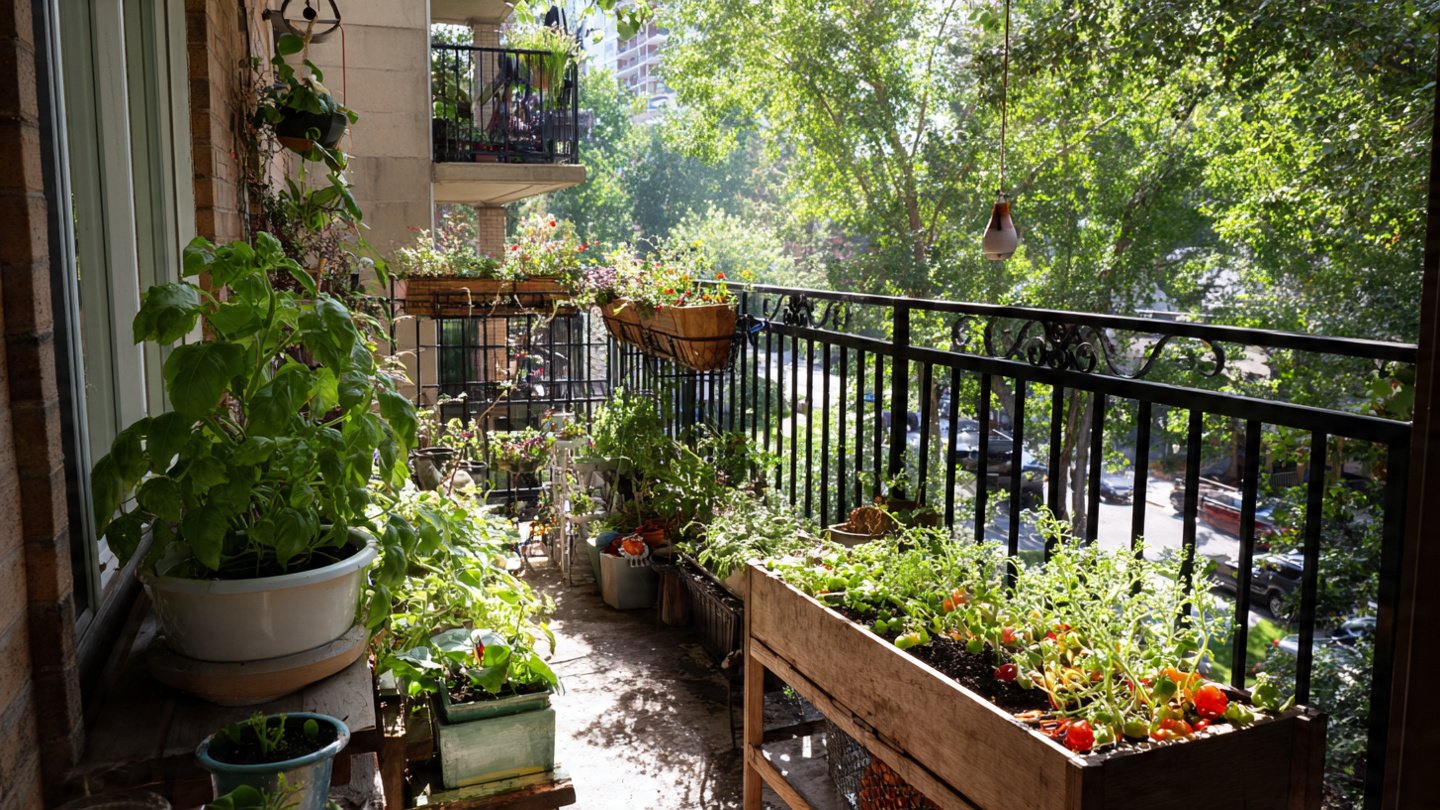
What Are the Best Tips for Keeping Your Balcony Garden Thriving in the Shade?
Creating a lush and vibrant balcony garden can be a delightful hobby and a way to enhance your living space, even if your balcony doesn’t get direct sunlight. Many plants thrive in the shade, making it possible to cultivate a beautiful garden in areas with limited light. This article will explore the best tips for keeping your balcony garden thriving in the shade, including plant selection, soil preparation, watering practices, and maintenance techniques.
Understanding Shade Conditions
First, it’s important to understand the type of shade your balcony receives. Shade can be categorized into three main types:
- Light Shade: Areas that receive dappled sunlight for a few hours a day.
- Partial Shade: Areas that receive 3-6 hours of indirect sunlight.
- Full Shade: Areas that receive little to no direct sunlight.
Identifying your balcony’s shade type will help you choose the right plants and techniques for success.
Choosing Shade-Friendly Plants
Selecting appropriate plants is crucial for a thriving balcony garden in the shade. Here are some excellent options that flourish with limited sunlight:
-
Foliage Plants:
- Ferns: Varieties like Boston fern or maidenhair fern thrive in shady conditions and add a lush look.
- Hostas: Known for their unique foliage, these plants come in various sizes, colors, and textures.

-
Flowering Plants:
- Astilbe: Producing feathery flowers, astilbes thrive in shady spots.
- Bleeding Heart: Known for their heart-shaped flowers, these perennials do well in partial shade.
-
Herbs:
- Mint: Thrives in shady spots, making it a fantastic addition to your garden.
- Chives: They can grow well in low-light conditions and are useful in the kitchen.
-
Vegetables:
- Lettuce: Preferring cooler conditions, lettuce can grow quite well in partial shade.
- Spinach: Another leafy green that doesn’t mind a bit of shade.
-
Shrubs:
- Japanese Maple: Dwarf varieties can grow beautifully in pots and do well in shaded areas.
- Hydrangeas: Known for their stunning blooms, hydrangeas can thrive with limited sunlight.

Soil Preparation
Creating the right environment in terms of soil is critical for a thriving balcony garden. Here are some steps to ensure your soil is suitable for plants in shady conditions:
-
Use Quality Potting Mix: A high-quality potting mix is crucial. Look for a mix that provides good drainage while retaining moisture, as shade gardens can sometimes stay too damp.
-
Add Organic Matter: Enrich your soil with compost or well-rotted manure. Organic matter improves soil structure and provides essential nutrients.
-
Check pH Levels: Most plants thrive in neutral to slightly acidic soil. Test your soil’s pH and amend it as necessary.
-
Incorporate Mulch: Using organic mulch helps retain moisture and keeps soil temperatures more consistent, which is important for shaded areas.
Watering Practices
Proper watering is essential for any garden, but especially for shade gardens, where soil can retain moisture longer. Here are some tips:
-
Watering Frequency: Test the soil moisture before watering. If the top inch feels dry, it’s time to water. This prevents overwatering, which is common in shaded areas.
-
Water Deeply: When you do water, do it deeply but less frequently. This encourages root growth, as plants will search deeper for moisture.

-
Use Drainage Holes: Ensure your pots have drainage holes. This prevents water from collecting at the bottom, which can lead to root rot.
-
Consider Self-Watering Planters: These can help maintain consistent moisture levels, especially in a shaded balcony.
Fertilization Techniques
Even shade-loving plants require nutrients to thrive. However, understanding how and when to fertilize is crucial:
-
Select the Right Fertilizer: Choose a slow-release fertilizer that will gradually feed your plants over time, rather than high-dose fertilizers that might burn them.
-
Frequency: Fertilize during the growing season (spring and summer) every 4-6 weeks, and reduce frequency during fall and winter when growth slows down.
-
Organic Options: Compost tea or liquid seaweed can be excellent organic options for feeding your plants without causing over-fertilization.
Pruning and Maintenance
Regular maintenance is essential for the health of your balcony garden. Here are some practices to incorporate:
-
Deadheading: Remove spent blooms to encourage more flowers and prevent plants from going to seed.

-
Prune Regularly: Trim back overgrown branches and leaves to promote healthier growth.
-
Pest Control: Inspect plants regularly. Use organic pest control methods such as neem oil or insecticidal soap if needed.
-
Rotate Plants: In pots, consider rotating your plants seasonally to balance soil nutrients and light exposure.
Utilizing Vertical Space
If your balcony space is limited, consider creatively using vertical space to host your shade garden:
-
Vertical Planters: Use wall-mounted planters or trellises to maximize growing space.
-
Hanging Baskets: These can add layers to your garden while providing good drainage. Choose shade-tolerant flowers or vines for these.
-
Shelving Units: Place plants of various heights on shelves to create visual interest.
Design and Aesthetics
The design of your balcony garden can also contribute to its thriving success:

-
Variety: Incorporate a mix of textures and colors. Tall plants can act as a backdrop while trailing plants spill over edges.
-
Layering: Place larger pots at the back and smaller ones in front. This creates a fuller appearance and allows all plants to be visible.
-
Art Elements: Consider adding decorative elements such as wind chimes, sculptures, or garden art to enhance aesthetic appeal while creating different microclimates.
Seasonal Adjustments
Different seasons will affect your balcony garden, requiring adjustments in care and plant choice:
-
Seasonal Planting: Rotate your plants seasonally. Some plants might thrive in spring and summer but struggle in fall and winter.
-
Winter Protection: If you live in colder climates, consider bringing sensitive plants inside or using plant covers to protect them from frost.
-
Seasonal Decor: Change decorations or plant displays with the seasons to keep your balcony garden looking fresh and inviting.
Conclusion
Cultivating a thriving balcony garden in the shade is entirely possible with the right choices and techniques. By understanding your space, selecting appropriate plants, ensuring proper soil and watering practices, and maintaining your garden regularly, you can create a beautiful and vibrant oasis that brings joy throughout the year. Embrace the unique charm of shade gardening and watch your balcony bloom with life!