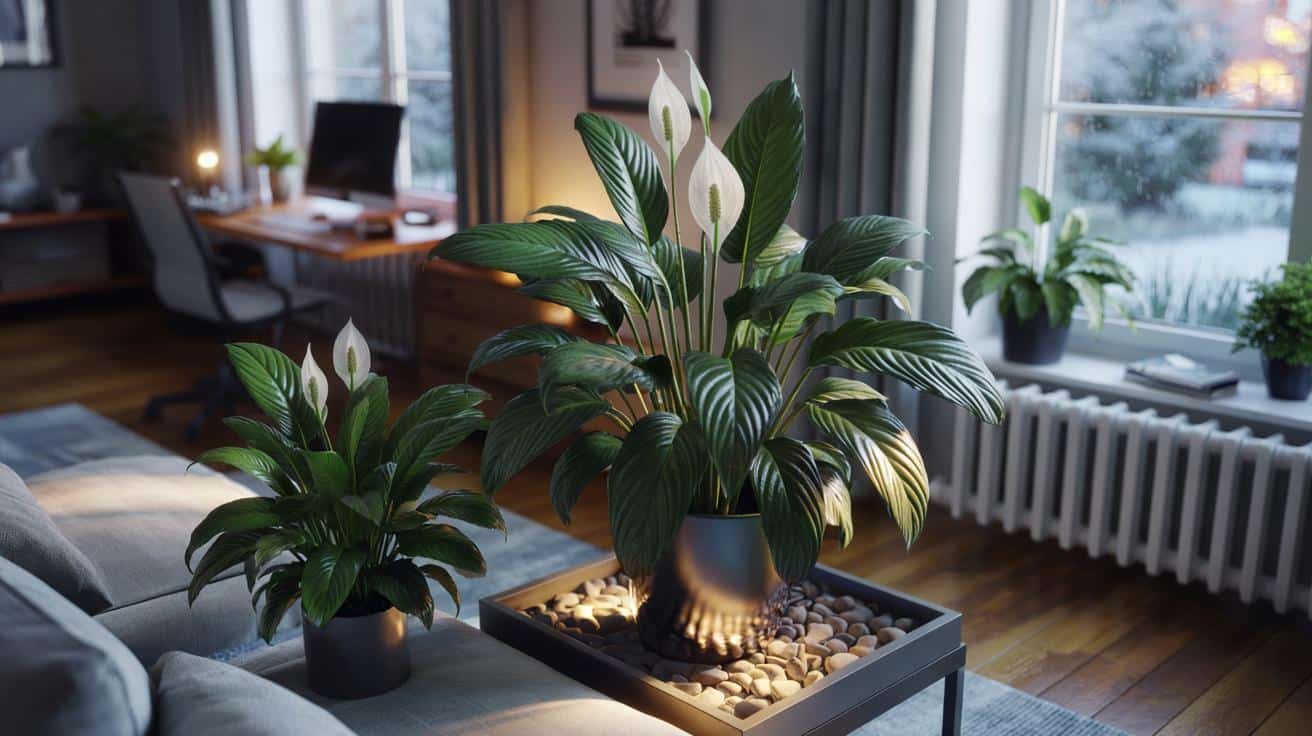
Indoor air quality and comfort are often overlooked aspects of modern living, especially in climates where heating or air conditioning dries the air significantly. Low humidity can lead to dry skin, irritated eyes, cracked wooden furniture, and even respiratory discomfort. While many households rely on humidifiers, sprays, or other mechanical devices, there’s a natural alternative that is often underestimated: houseplants. Among these, one plant in particular stands out for its ability to increase indoor humidity naturally—without any sprays, gadgets, or complicated setups.
This article explores how a houseplant can improve humidity, which plant is most effective, and practical tips for using it to create a healthier, more comfortable indoor environment.
How Plants Affect Indoor Humidity
The link between plants and humidity lies in a biological process called transpiration. Transpiration occurs when water is absorbed by a plant’s roots, travels through its stems, and evaporates from tiny pores on the leaves called stomata. This process releases moisture into the air, contributing to the relative humidity of the surrounding environment.
The amount of moisture a plant can release depends on several factors:

- Leaf surface area: Larger leaves offer more area for evaporation.
- Number of leaves: More leaves generally means more water release.
- Light exposure: Plants transpire more actively in bright, indirect light.
- Soil moisture: Consistently moist soil allows continuous transpiration.
- Temperature: Warmer air increases the rate of evaporation.
Indoor environments, especially heated or air-conditioned spaces, are often very dry, making these naturally transpiring plants an effective way to boost humidity without artificial intervention.
The Star Plant: Peace Lily (Spathiphyllum)
Among all houseplants, the Peace Lily (Spathiphyllum) has earned a reputation as one of the best for improving indoor humidity naturally. Known for its glossy green leaves and iconic white blooms, the Peace Lily is both beautiful and functional.
Why the Peace Lily Is Exceptional
- High Transpiration Rate: Peace Lilies continually move water through their system, even in moderate indoor light, steadily releasing moisture into the air.
- Broad, Glossy Leaves: Its large leaves increase the surface area from which water can evaporate, making it more effective than smaller-leaved plants.
- Adaptability: Peace Lilies thrive in indoor environments with low to moderate light, making them ideal for living rooms, bedrooms, and offices.
- Ease of Care: With basic watering and occasional fertilization, Peace Lilies maintain consistent transpiration without requiring complex care.
- Air Purification Benefits: In addition to improving humidity, Peace Lilies filter harmful chemicals such as formaldehyde, benzene, and trichloroethylene, contributing to overall indoor air quality.
This combination of characteristics makes the Peace Lily a natural humidifier and air purifier in one.
How to Maximize Humidity Benefits
While a Peace Lily can naturally raise indoor humidity, there are steps to ensure it does so effectively:

1. Maintain Moist Soil
Water the plant when the top inch of soil feels dry. Avoid overwatering, which can cause root rot, but do not let the soil dry completely. Consistent moisture supports steady transpiration.
2. Place in Optimal Light
Bright, indirect light encourages healthy growth and maximizes transpiration. Avoid direct sunlight, which can scorch leaves and stress the plant.
3. Group Plants Together
Placing multiple Peace Lilies or combining them with other transpiring plants can create a mini indoor ecosystem that collectively raises local humidity more significantly than a single plant.
4. Keep Leaves Clean
Dust blocks stomata, reducing transpiration. Wipe leaves with a damp cloth periodically to maintain their ability to release moisture.

5. Use Pebble Trays if Needed
Placing the pot on a tray filled with water and pebbles increases local humidity by allowing evaporation around the base of the plant. Ensure the pot is not sitting directly in water to prevent root rot.
Other Houseplants That Can Help Increase Humidity
While Peace Lilies are particularly effective, several other houseplants also improve indoor moisture levels:
- Spider Plant (Chlorophytum comosum): Easy to grow, tolerant of various light conditions, and a moderate contributor to humidity.
- Boston Fern (Nephrolepis exaltata): With feathery fronds and high transpiration rates, ferns are natural humidifiers.
- Areca Palm (Dypsis lutescens): Adds a tropical aesthetic while releasing moisture steadily.
- Bamboo Palm (Chamaedorea seifrizii): Large fronds provide high surface area for transpiration.
- English Ivy (Hedera helix): Adds greenery and moisture release while also filtering airborne mold spores.
Using a combination of these plants can amplify humidity benefits while diversifying your indoor garden’s aesthetics.
Benefits of Improved Indoor Humidity
Raising indoor humidity naturally has numerous advantages for both people and plants:

For Humans
- Reduces dry skin, chapped lips, and irritated eyes.
- Prevents respiratory discomfort, including dry throat and sinus irritation.
- Helps protect wooden furniture, flooring, and musical instruments from cracking.
- Reduces static electricity in the home.
For Plants
- Prevents leaf browning and drying, particularly for tropical plants.
- Supports healthier growth and better flower production.
- Encourages natural physiological processes, including nutrient uptake and photosynthesis.
When Plants Alone May Not Be Enough
While Peace Lilies and other humidifying plants provide noticeable benefits, they have limitations:
- Size of the Space: One or two plants in a large room will have minimal impact. Multiple plants may be required to see significant results.
- Extreme Dry Conditions: In extremely dry climates or during harsh winter heating, supplemental humidity sources may still be necessary.
- Indoor Microclimates: Factors like HVAC vents and drafty windows can reduce effectiveness.
In these cases, combining plants with small, low-energy humidifiers or water trays can create a balanced, natural humidity system.
Caring for Peace Lilies and Other Humidity-Boosting Plants
Watering
- Keep the soil consistently moist but not soggy.
- Use filtered or room-temperature water to avoid shocking roots.
Light
- Provide bright, indirect light.
- Low light slows growth and transpiration but is acceptable for shaded areas.
Temperature and Humidity
- Peace Lilies prefer temperatures between 18–25°C (65–77°F).
- They thrive in moderate humidity but actively increase surrounding moisture levels naturally.
Fertilization
- Use a balanced houseplant fertilizer every 6–8 weeks during the growing season.
- Avoid over-fertilizing, which can damage leaves and reduce transpiration efficiency.
Pruning
- Remove yellowing leaves to maintain aesthetic appeal and plant health.
- Trim flowers after they fade to focus energy on leaf growth and transpiration.
Sustainability and Lifestyle Benefits
Using plants like Peace Lilies for humidity offers eco-friendly advantages:
- Reduces energy use compared to electric humidifiers.
- Lowers water waste when soil is watered efficiently.
- Provides a chemical-free method of improving indoor air.
- Offers aesthetic and psychological benefits, boosting mood and reducing stress.
In essence, a well-placed Peace Lily can enhance indoor comfort, health, and style simultaneously.

Conclusion: Nature’s Simple Solution
While many modern households reach for gadgets and sprays to manage indoor humidity, nature provides a quiet, beautiful alternative. The Peace Lily, with its lush green leaves and elegant flowers, is more than just a decorative plant—it is a natural humidifier, air purifier, and companion for indoor well-being.
By strategically placing Peace Lilies and other transpiring houseplants in your home, maintaining proper soil moisture, and grouping plants for cumulative effect, you can raise indoor humidity naturally without any mechanical devices or sprays. This small, sustainable habit enhances comfort, supports plant health, and brings a touch of nature into your everyday living space.