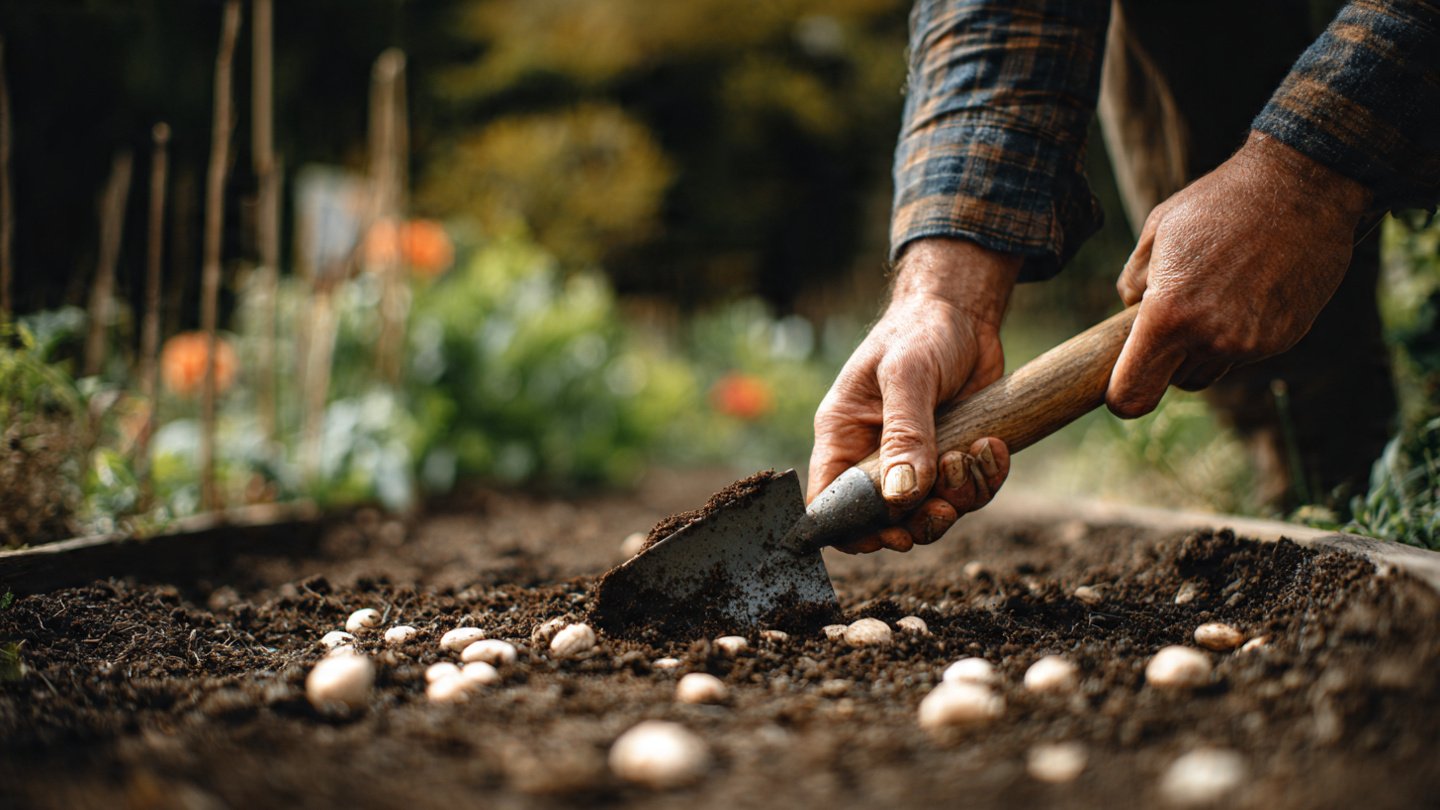
As gardening enthusiasts, we’ve all wished for a more effortless way to cultivate our plants. Among the various tools available, the garden hoe stands out as a timeless instrument that has helped generations of gardeners achieve success with their planting endeavors. But is it really the secret weapon to effortless planting success? In this article, we’ll explore the many uses of a garden hoe, the different types available, and how it can help specify your gardening needs more efficiently.
The Evolution of the Garden Hoe
The garden hoe has been a staple in agriculture for thousands of years. Its history dates back to ancient civilizations, where it was utilized not just for planting but also for weeding and soil management. The design has evolved over generations, but the principle remains the same: using leverage to cultivate the earth.
Historically, hoes were often made from wood or stone, but modern versions come in various materials including lightweight aluminum and durable steel. This evolution has made them easier to handle, reducing fatigue during extensive gardening tasks.
Types of Garden Hoes
Understanding the different types of garden hoes can help you choose the right one for your gardening needs:
- Flat Hoes: These are best for breaking up soil and preparing seedbeds. The wide blade provides excellent coverage.
- Draw Hoes: Ideal for creating furrows and digging up weeds. This hoe is pulled towards you to cultivate the soil.
- Loop Hoes: These have a unique, looped design that makes them effective for weeding in tight spaces.
- Trenching Hoes: Equipped with a narrow blade, these are perfect for digging deeper into the soil for planting bulbs or seeds.
- Heart Hoes: Shaped like a heart, these are excellent for both planting and weeding due to their pointed tip.

Benefits of Using a Garden Hoe
So, what makes a garden hoe essential for a successful planting experience? Consider the following benefits:
- Soil Aeration: Regular use of a hoe helps aerate the soil, allowing for better water and nutrient absorption.
- Weed Control: A hoe is particularly effective at uprooting weeds, helping your plants compete better for resources.
- Versatility: Whether you need to dig, weed, or create furrows for planting seeds, a hoe can handle a variety of tasks.
- Ease of Use: With the right technique, a hoe can significantly reduce physical strain compared to other gardening tools.

Techniques for Effective Hoeing
To achieve maximum productivity with your garden hoe, consider these techniques:
- Choose the Right Hoe: Select the type of hoe that caters to specific tasks you need to perform in your garden.
- Correct Posture: Stand upright with a slight bend in your knees. Keep your back straight to prevent strain.
- Use the Right Motion: For weeding, push the hoe forward and pull it back towards you. Use a chopping motion for breaking up soil.
- Timing Matters: Use the hoe when the soil is moist but not overly wet, which helps avoid clumping and makes hoeing more effective.
Common Mistakes to Avoid
While a garden hoe is a simple tool, improper use can lead to inefficiencies:

- Using the Wrong Hoe Type: Confirm that the hoe you’re using suits the task at hand.
- Overexertion: Avoid applying excessive force. Let the tool do the work.
- Neglecting Maintenance: Regularly clean and sharpen your hoe to ensure it remains effective.
Combining Tools for a Better Outcome
While the hoe is certainly a valuable tool, combining it with others can optimize your gardening experience. For example:
- Rakes: Use a rake to level and smooth the soil after hoeing for even seed distribution.
- Shovels: For larger planting projects, a shovel can assist in moving and turning over substantial amounts of soil.
- Hand Tools: Small hand tools can help in tight spots where a hoe cannot reach.
Conclusion

The garden hoe certainly plays a vital role in creating a more efficient planting process. While it’s not the only tool you’ll need, it can make your gardening tasks easier and more enjoyable, especially when used correctly. Understanding its various types and learning to use it well can lead to significant improvements in your planting success. Ultimately, the combination of a garden hoe with other gardening tools and practices forms the foundation of a thriving garden. So, whether you’re a seasoned gardener or a newbie, consider integrating a garden hoe into your toolkit for effortless planting success.
FAQs
1. How often should I use a garden hoe?
It depends on your gardening needs. Generally, using a hoe periodically during the growing season is effective for weed control and soil management.
2. Can I use a garden hoe on hard, compacted soil?
Yes, but you may need to use a heavier hoe or combine it with other tools like a shovel or pick to break up the compacted soil first.
3. Should I sharpen my hoe, and how often?
Yes, sharpening your hoe regularly will enhance its efficiency. Aim to sharpen it every few months or as needed based on usage.

4. Is there a specific technique for weeding with a hoe?
For weeding, use a pushing and pulling motion to uproot weeds effectively. Keep the blade just under the soil surface to sever the weed’s roots.
5. Can I use a garden hoe in raised beds?
Yes, a hoe can be very effective in raised beds, especially the shorter varieties that allow for better maneuverability.