Introduction
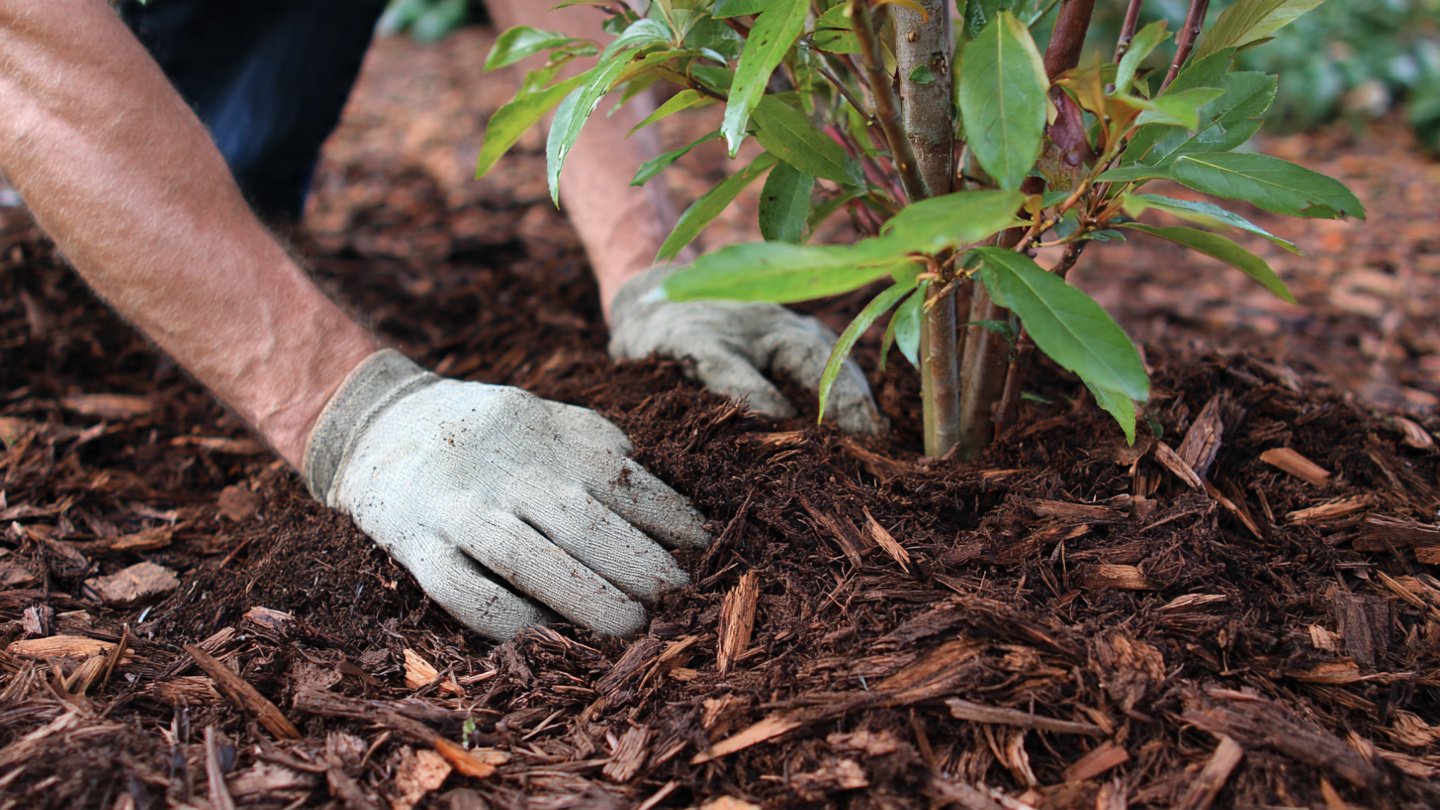
Mulching is the process of applying a layer of material, such as organic or inorganic substances, on top of the soil around plants, especially fruit trees. This horticultural practice has been revered for centuries, and for good reason. Proper mulching plays a pivotal role in enhancing the health and productivity of fruit trees. In this article, we will explore the various ways in which mulching benefits fruit trees, the types of materials used for mulching, and best practices to ensure optimal results.
The Benefits of Mulching for Fruit Trees
1. Moisture Retention
One of the primary benefits of mulching is its ability to retain soil moisture. Fruit trees require consistent hydration, especially during dry spells. By covering the soil with a layer of mulch, you minimize evaporation, keeping the root zone consistently moist. This is vital for the trees’ overall health, as fluctuating moisture levels can lead to stress-induced conditions, affecting fruit production and quality.
2. Temperature Regulation
Mulch acts as a natural insulator, helping to regulate soil temperature. In winter, it can prevent soil from freezing, protecting roots from cold damage. Conversely, in summer, mulch keeps the soil cooler by blocking direct sunlight, which can be beneficial for young trees or in particularly hot climates.

3. Weed Suppression
Weeds compete with fruit trees for essential nutrients, water, and light. A thick layer of mulch inhibits weed growth by blocking sunlight from reaching the soil. This means less competition for your trees and less labor for you when it comes to weed management. Additionally, fewer weeds result in a cleaner growing environment, minimizing pests and diseases.
4. Soil Improvement
Organic mulches, such as wood chips, straw, or grass clippings, break down over time, enriching the soil with organic matter. This not only enhances soil fertility but also improves soil structure and drainage. Healthy soil supports robust root systems, allowing trees to absorb the nutrients they need for growth and fruiting.
5. Pest and Disease Control
By maintaining a clean and moistened environment, mulch can help in controlling pests and diseases. Certain types of mulch, such as cedar chips, have natural pest-repelling properties. Additionally, by reducing weed growth and improving soil health, you create an environment that’s less conducive to pests and diseases.
Types of Mulch Suitable for Fruit Trees
When considering mulching, it’s important to select the right type of material. Here are a few popular options:

- Organic Mulches: These include materials like shredded bark, wood chips, straw, grass clippings, and compost. Organic mulches improve soil quality as they decompose.
- Inorganic Mulches: Materials such as landscape fabric, gravel, or stones can be used. They are long-lasting but do not provide soil nourishment.
- Living Mulches: Cover crops, like clover or vetch, can act as living mulch. They enhance soil health and prevent erosion while providing ground cover.
Best Practices for Mulching Fruit Trees
1. Apply at the Right Depth
While mulching is beneficial, applying too much can be counterproductive. A thickness of 2 to 4 inches is typically adequate. Aim for a depth that suppresses weeds without suffocating the base of the tree.
2. Keep Away from the Trunk
It is crucial to avoid piling mulch against the trunk of the tree. This can lead to moisture retention at the base, fostering rot and attracting pests. Maintain a gap of about 6 inches between the mulch and the tree trunk.

3. Mulch Seasonally
Replenishing mulch annually or biannually is essential as it breaks down over time. This ensures that the benefits of mulching continue to serve your fruit trees effectively.
4. Monitor for Pests and Diseases
While mulch can help in pest control, it’s important to regularly inspect for any signs of infestation or disease. Proper air circulation must be maintained to avoid the growth of pathogens.
5. Choose the Right Material
Select a mulch type that suits your climate and soil conditions. For example, lighter mulches may be preferable in areas with heavy rainfall, while heavier mulches might be better in hotter, drier climates.
Conclusion

Proper mulching plays a significant role in enhancing the health of fruit trees. From moisture retention to temperature regulation, weed suppression, soil improvement, and pest control, the benefits extend far and wide. By applying the right type of mulch correctly, you can create an environment that supports your fruit trees’ growth and productivity. Investing time in learning about mulching practices can vastly improve the health and yield of your trees, ensuring a fruitful harvest for years to come.
FAQs
1. How often should I apply mulch to my fruit trees?
It’s advisable to replenish your mulch every year or every couple of years, depending on the type of mulch used and the rate at which it breaks down.
2. Can I use grass clippings as mulch?
Yes! Grass clippings are an excellent organic mulch. However, make sure to let them dry out first to prevent clumping and matting, which can stifle moisture absorption.

3. Is it necessary to remove old mulch before applying new mulch?
It isn’t always necessary to remove old mulch, especially if it’s organic and has decomposed well. However, it’s essential to check for any signs of pests or diseases and to mix it with the new layer for best results.
4. Can I use rocks and stones as mulch?
Yes, inorganic options like rocks and stones can be beneficial, especially in areas prone to weeds. However, they do not improve soil fertility. Consider mixing them with organic materials for the best overall benefits.
5. What should I do if I notice pests in my mulch?
If you discover pests, remove the affected mulch and inspect your trees to ensure they haven’t been infested. You may want to switch to a different mulch type that has pest-repelling properties.