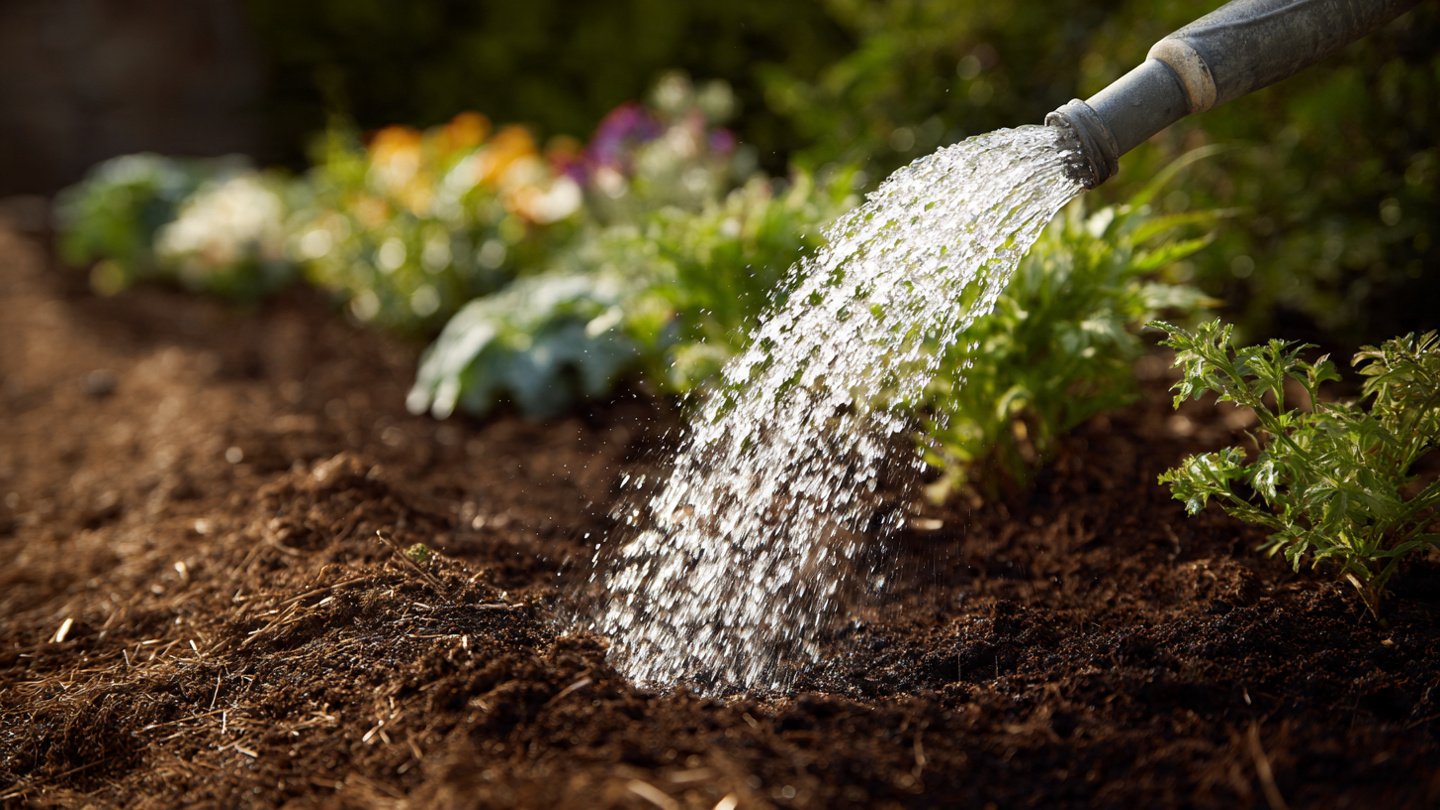
Gardening is both an art and a science, requiring an understanding of various factors that influence plant growth. Among these, soil hydration plays a pivotal role. How well your garden soil retains and manages water can profoundly affect everything from seed germination to overall plant health. In this article, we will explore the transformative effects of hydration on garden soil, how this process works, and best practices for achieving optimal soil moisture.
Understanding Soil Hydration
Soil Structure and Composition
Before delving into the effects of hydration, it’s essential to understand what makes up garden soil. Most garden soils are a mixture of minerals, organic matter, air, and water. The proportion of these components varies widely, influencing the soil’s capacity for water retention.
- Clay: Heavy and compact, clay soils hold water well but can become waterlogged.
- Sandy Soil: This type drains quickly but doesn’t hold moisture effectively, often leading to drought conditions.
- Loamy Soil: A balanced mix of clay, sand, and silt, loamy soil is often considered the ideal garden soil, retaining moisture while providing good drainage.
Each of these soil types behaves differently under hydration, affecting plant growth in various ways.
The Role of Water in Soil Health
Water is crucial for numerous soil functions:

-
Nutrient Solubility: Soil moisture helps dissolve nutrients, making them available for plant uptake. Good hydration levels ensure these nutrients are accessible to plant roots.
-
Microbial Activity: Healthy soil is teeming with life, including beneficial microorganisms that help decompose organic matter and contribute to nutrient cycling. These organisms thrive in appropriately hydrated soils.
-
Soil Structure: Water contributes to the stability of soil aggregates (clumps of soil particles) that affect aeration and root penetration.
-
Soil Temperature Regulation: Moist soils generally have a more stable temperature than dry soils, facilitating better root growth and enhancing microbial activity.
The Process of Soil Hydration
Soil hydration is a dynamic process involving several stages:
-
Infiltration: When it rains or when you water, water enters the soil through infiltration. The rate can depend on the soil type, compaction, and existing moisture levels.
-
Retention: After infiltration, water is held in the soil pores, where it is available for plant roots. The soil’s ability to retain moisture varies based on its texture and organic matter content.
-
Capillary Action: This process allows water to move through the soil, reaching different layers based on gravity and cohesion between water molecules.
-
Evaporation and Transpiration: As plants absorb water, they release some of it back into the atmosphere through transpiration. Evaporation occurs from soil surfaces, leading to moisture loss.

Understanding these stages can help you manage your garden’s hydration efficiently.
Transformative Effects of Hydration on Soil
1. Improved Nutrient Availability
Hydrated soil directly impacts the availability of essential nutrients like nitrogen, phosphorus, and potassium. Nutrients must be soluble in water for roots to absorb them. When soil is adequately hydrated, the nutrient cycle operates more efficiently, providing plants with the nourishment they need to thrive.
2. Enhanced Soil Structure
Moisture aids in soil aggregation, which improves aeration and drainage. Good soil structure means larger pores for air movement and smaller pores that can hold water. Hydration helps maintain this balance, creating an environment conducive to strong root systems.
3. Increased Microbial Activity

Soil microorganisms thrive in a moist environment. Bacteria, fungi, and protozoa play critical roles in nutrient cycling, organic matter decomposition, and pathogen suppression. Hydration stimulates microbial activity, enhancing soil fertility and structure.
Research shows that well-hydrated soils can host a more diverse microbial community, which is essential for healthy plant growth.
4. Weed Suppression
Proper hydration can also help suppress weeds. Well-hydrated soil can encourage the growth of your desired plants while potentially inhibiting the germination and growth of weed seeds, which often require different moisture conditions to flourish.
5. Erosion Control
Adequate moisture levels contribute to soil cohesion and reduce erosion. When soil is dry, it is more susceptible to erosion by wind or water. Hydrated soils are heavier, making them less prone to being washed away during heavy rains and, thus, promoting sustained growth and fertility.
Best Practices for Maintaining Soil Hydration
To reap the transformative benefits of hydration, specific practices can help maintain optimal soil moisture levels:
1. Mulching
Applying organic or inorganic mulch can help retain soil moisture while suppressing weeds. Organic mulches, such as wood chips, straw, or grass clippings, also add nitrogen to the soil as they decompose, improving its overall health.
2. Irrigation Techniques
Using drip irrigation or soaker hoses can provide deep and consistent watering while minimizing evaporation. This method ensures that water reaches the root zone directly, conservatively and effectively providing hydration.
3. Soil Testing
Regularly testing your soil can help you understand its moisture retention capabilities and nutrient content. Based on the results, you can amend your soil with organic matter, fertilizers, or other amendments to improve its overall health.
4. Crop Rotation
Practicing crop rotation can help maintain soil moisture levels. Different plant species have various root depths and water needs, allowing different nutrients to be utilized and preventing soil depletion.
5. Cover Crops
Planting cover crops during the off-season can help maintain soil structure and moisture. These crops absorb excess water and prevent erosion, ensuring that your main crops have adequate water when they are planted.
Seasonal Considerations for Hydration
Understanding the seasons can help optimize soil hydration strategies:
Spring

In spring, you prepare for planting. Ensure that your soil has adequate moisture before sowing seeds. Consider using soil amendments like organic compost to enhance water retention.
Summer
Summer heat can lead to increased evaporation and transpiration rates. Regular watering and mulch application become essential. Consider planting drought-resistant species during this period.
Fall
As temperatures cool, it’s a good time to assess your soil moisture retention. Fall rains can help rehydrate compacted soil. Planting cover crops can help retain moisture and nutrients over the winter.
Winter
While many plants go dormant, keeping an eye on soil moisture is crucial. Compacting can occur due to snow, so be mindful of foot traffic in your garden.
Conclusion
Hydration is a fundamental aspect of gardening that profoundly impacts soil health, nutrient availability, and overall plant growth. Achieving and maintaining optimal soil moisture can lead to transformative effects on your garden, making your plants healthier while promoting sustainability.
By understanding how water interacts with soil and using best practices for hydration, you can create a thriving garden that supports both your plants’ needs and the ecosystem as a whole. Water is the lifeblood of your garden; when managed effectively, it can turn barren soil into a fertile sanctuary for growth and life.