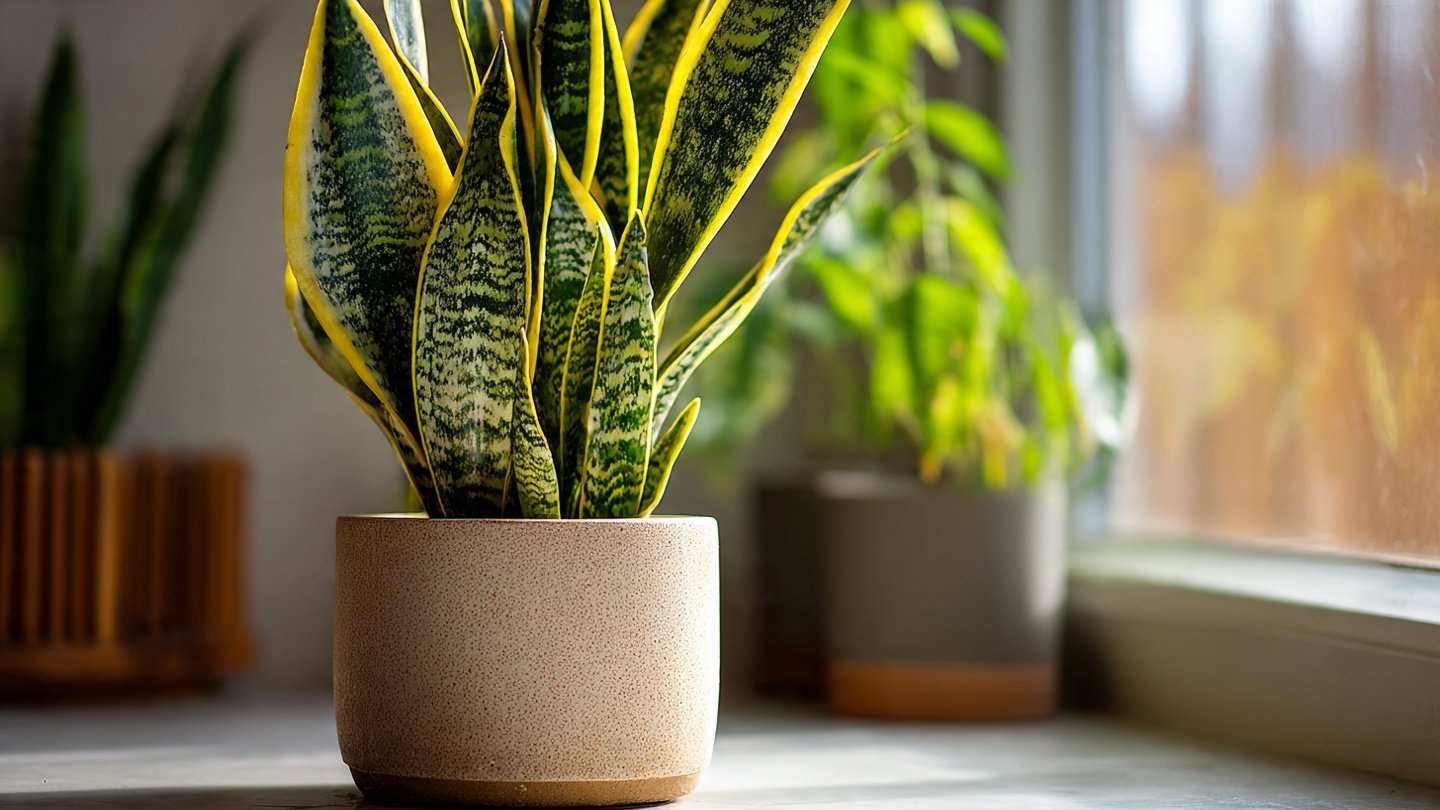
Snake plants, also known as Sansevieria or mother-in-law’s tongue, are popular houseplants adored for their striking appearance and resilience. They have become the toughest residents in many households, thriving where other plants may falter. This article delves into the reasons behind their tenacity, care requirements, and other key aspects that contribute to their hardiness.
The Origins of the Snake Plant
Native to tropical West Africa, snake plants have adapted to various environments, which is a significant factor contributing to their resiliency. Their ability to thrive in diverse conditions is not only fascinating but also makes them an ideal choice for homes, especially for those new to gardening.
Resilience in Various Conditions
- Low Light Tolerance: Snake plants are capable of growing in low light conditions, though they do prefer indirect sunlight. This adaptability makes them perfect for apartments or rooms with limited natural light.
- Watering Flexibility: Have you ever forgotten to water your snake plant? No worries! It can withstand long periods of drought due to its succulent leaves, which store water. This makes it perfect for those prone to forgetfulness.
- Temperature Resilience: Snake plants prefer temperatures between 60°F and 80°F but can tolerate cooler temperatures down to 50°F. This range provides ease in managing household climates.
- Pest Resistance: Snake plants are not particularly susceptible to pests, making them a low-maintenance option. Issues may arise, but they are usually manageable and rarely ruin the plant.
The Unique Structure of Snake Plants

The unique structure of snake plants contributes significantly to their toughness. Their long, upright leaves can grow to heights of 6 feet or more. These leaves are not only aesthetically pleasing but also serve essential functions:
- Water Storage: The thick, fleshy leaves enable the plant to retain moisture effectively, allowing it to survive when water is scarce.
- Air Purification: Snake plants are known to absorb toxins and release oxygen, improving indoor air quality. This resilience helps them flourish in various indoor environments while benefiting your living space.
Caring for Your Snake Plant
While snake plants are remarkably resilient, they still require some basic care to ensure they thrive:
Light Requirements
Snake plants prefer indirect sunlight but can adapt to various lighting conditions. If you notice any yellowing leaves, it may indicate too much direct sunlight.
Watering Guidelines
Water your snake plant only when the top inch of soil is dry. This typically means watering every two to six weeks, depending on the season. Overwatering can lead to root rot, so it’s best to err on the side of caution.

Soil and Potting
Use a well-draining soil mix, such as cactus or succulent soil. Choose a pot with drainage holes to prevent water accumulation. Snake plants prefer being somewhat root-bound, so don’t repot too frequently.
Fertilizing
Feed your snake plant with a balanced, diluted fertilizer during the growing season (spring and summer) to promote healthy growth. This isn’t necessary in fall and winter.
Propagating Your Snake Plant
Propagating snake plants is a fun and rewarding process. Here are some popular methods:
- Leaf Cuttings: Cut a healthy leaf into sections and allow the cut ends to dry for a few days before placing them in soil to root.
- Division: Remove the plant from its pot and separate the roots into smaller sections, making sure each section has leaves and roots.

Common Myths Debunked
As with many plants, several myths surround snake plants. Here are a couple of common misconceptions:
- Snake Plants are Toxic: While they are mildly toxic if ingested, they are safe to have around pets and children as long as they don’t eat any parts of the plant.
- Snake Plants Can’t be Overwatered: While they are forgiving of drought, they can indeed suffer from overwatering, which can cause root rot.
The Aesthetic Appeal of Snake Plants
Aside from being hardy, snake plants have a unique attractiveness that complements various interior design styles. Their striking vertical leaves can add a contemporary touch to any room. Placing them in decorative pots can enhance their visual appeal even further.
Conclusion
Snake plants are undoubtedly one of the toughest residents in your home. They showcase remarkable resilience and adaptability, thriving in varying conditions where many other plants would struggle. Their easy care requirements, unique structure, and aesthetic appeal make them an ideal choice for anyone, from novice plant parents to seasoned horticulturists. By offering the right care and indoor conditions, you can enjoy the beauty and benefits of your snake plant for years to come.
FAQs

1. Can snake plants survive indoors without sunlight?
Yes, snake plants can survive in low light conditions, but they thrive best in indirect sunlight.
2. How often should I water my snake plant?
Water your snake plant when the top inch of soil is dry. This typically ranges from every two to six weeks.
3. Are snake plants safe for pets?
Snake plants are mildly toxic if ingested, so it’s best to keep them out of reach of pets who may chew on them.

4. How can I tell if my snake plant is overwatered?
Signs of overwatering include yellowing leaves, mushy stems, and a musty odor from the soil.
5. Can I propagate my snake plant year-round?
While you can propagate your snake plant at any time, spring and summer are the best seasons for success.