In today’s fast-paced world, stress and anxiety have become prevalent issues affecting millions of people. As individuals seek effective methods for managing their mental health, gardening emerges as a powerful tool that offers not just aesthetic pleasure but substantial mental health benefits. In this article, we will explore the ways in which engaging with your garden can boost your mental well-being.
The Therapeutic Effects of Nature
Spending time in natural environments has been shown to have a calming effect on the mind. Nature is more than just a backdrop; it is a vital component in the journey towards mental wellness. Research indicates that interactions with nature reduce stress, enhance mood, and encourage clarity of thought.
1. Reducing Stress
Gardening allows individuals to disconnect from daily stressors. The physical act of tending to plants and soil serves as a form of active meditation. When you focus on nurturing plants, your mind shifts away from negative thoughts, thereby significantly lowering cortisol levels—your body’s primary stress hormone.
2. Encouraging Mindfulness
Being present in the moment is a key tenet of mindfulness. Gardening naturally encourages this behavior as you immerse yourself in the sensory experiences of the garden. The sounds of nature, the tactile sensation of soil, and the visual delight of flowers all contribute to a conscious and grounding experience.

Physical Activity and Mental Wellness
Engaging in gardening provides moderate physical exercise, which is instrumental in improving mental health. Exercise releases endorphins, often referred to as ‘feel-good’ hormones, which can help alleviate symptoms of depression and anxiety.
1. The Joy of Movement
Gardening involves various physical activities such as digging, planting, weeding, and harvesting. This movement encourages muscle strength, flexibility, and overall physical health. The sense of achievement from cultivating a garden can further bolster mental resilience.
2. Create a Routine
Establishing a regular gardening routine can create structure in your day. This routine not only gives you a sense of purpose but also encourages you to set and achieve goals, which is essential for building confidence and self-esteem.
Connection to Nature and Community
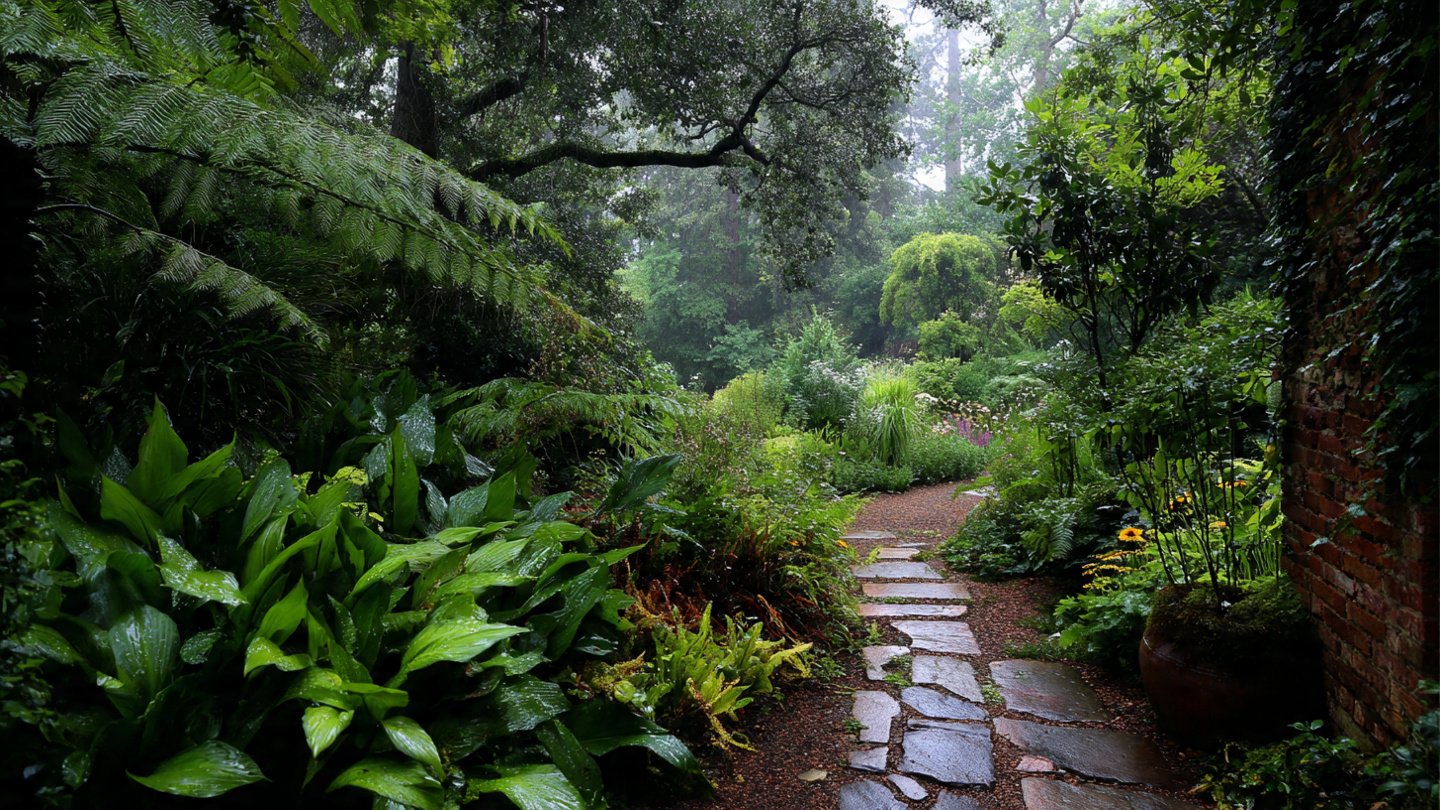
Working in a community garden or participating in gardening clubs allows you to meet like-minded individuals who share your passion for plants. This connection can combat feelings of loneliness and isolation, providing a support network during difficult times. Sharing your gardening experiences with others fosters communication and social interaction. You might exchange tips, seeds, and even produce, leading to a shared sense of achievement and camaraderie. The visual appeal of flowers and greenery can enhance your living or working space, which contributes to overall mental well-being. A vibrant garden can act as a sanctuary, transforming your environment into a peaceful retreat. The beauty of a well-tended garden can uplift your spirits. Such environments promote feelings of happiness and tranquility. Studies have shown that people living in well-maintained green areas report higher states of well-being compared to those in urban environments devoid of nature. Gardening engages multiple senses—aesthetics through visual beauty, aromatic delights from flowering plants, and tactile experiences from soil and foliage. Being mindful of these sensory elements can heighten your awareness and appreciation of life’s simple pleasures, fostering gratitude. Many practices have emerged that integrate gardening into therapeutic settings, including horticultural therapy. This approach uses the act of gardening as a therapeutic tool aimed at improving mental health conditions. Professionals utilize horticultural therapy in various settings to aid emotional and psychological healing. This practice involves trained therapists guiding individuals through gardening activities tailored to their specific needs, enabling them to express emotions and develop coping strategies. Gardening is beneficial for individuals of all ages. For children, it teaches responsibility and provides sensory stimulation; for the elderly, it offers opportunities for gentle physical activity and social interaction. The intergenerational bonds formed through gardening can also contribute to overall emotional health. Gardening is more than a mere hobby; it’s a multifaceted practice that offers profound mental health benefits. From reducing stress and promoting mindfulness to enhancing physical health and fostering community connections, the advantages of gardening are abundant. Whether you have a grand backyard or a small balcony, integrating gardening into your routine can enhance your overall well-being. By nurturing plants, you nurture yourself, paving the way for a healthier, happier mind.
Even short sessions of 15-30 minutes spent gardening can provide mental health benefits. Consistency is key; try to incorporate gardening into your routine several times a week. Yes, numerous studies have indicated that gardening can reduce symptoms of anxiety and depression. The physical activity and connection to nature are particularly beneficial. Any form of gardening can be beneficial, whether it’s traditional gardening, container gardening, or indoor plants. Choose what makes you feel most comfortable and engaged. No, prior experience is not necessary. The act of gardening itself, regardless of skill level, offers therapeutic benefits. Start small and learn as you go! If outdoor space is limited, consider indoor plants or balcony gardening. Even small herbs or flowers can provide the same mental health benefits. You can also participate in community gardens.
1. A Sense of Belonging

2. Learning and Sharing
The Aesthetic and Sensory Benefits
1. Aesthetic Pleasure
2. Stimulating the Senses

Gardening as Therapy
1. Horticultural Therapy
2. Gardening for All Ages

Conclusion
Frequently Asked Questions
1. How much time do I need to spend gardening for mental health benefits?
2. Can gardening help with anxiety and depression?
3. What types of gardening are most beneficial for mental health?

4. Do I need prior gardening experience to gain mental health benefits?
5. What if I don’t have outdoor space for gardening?