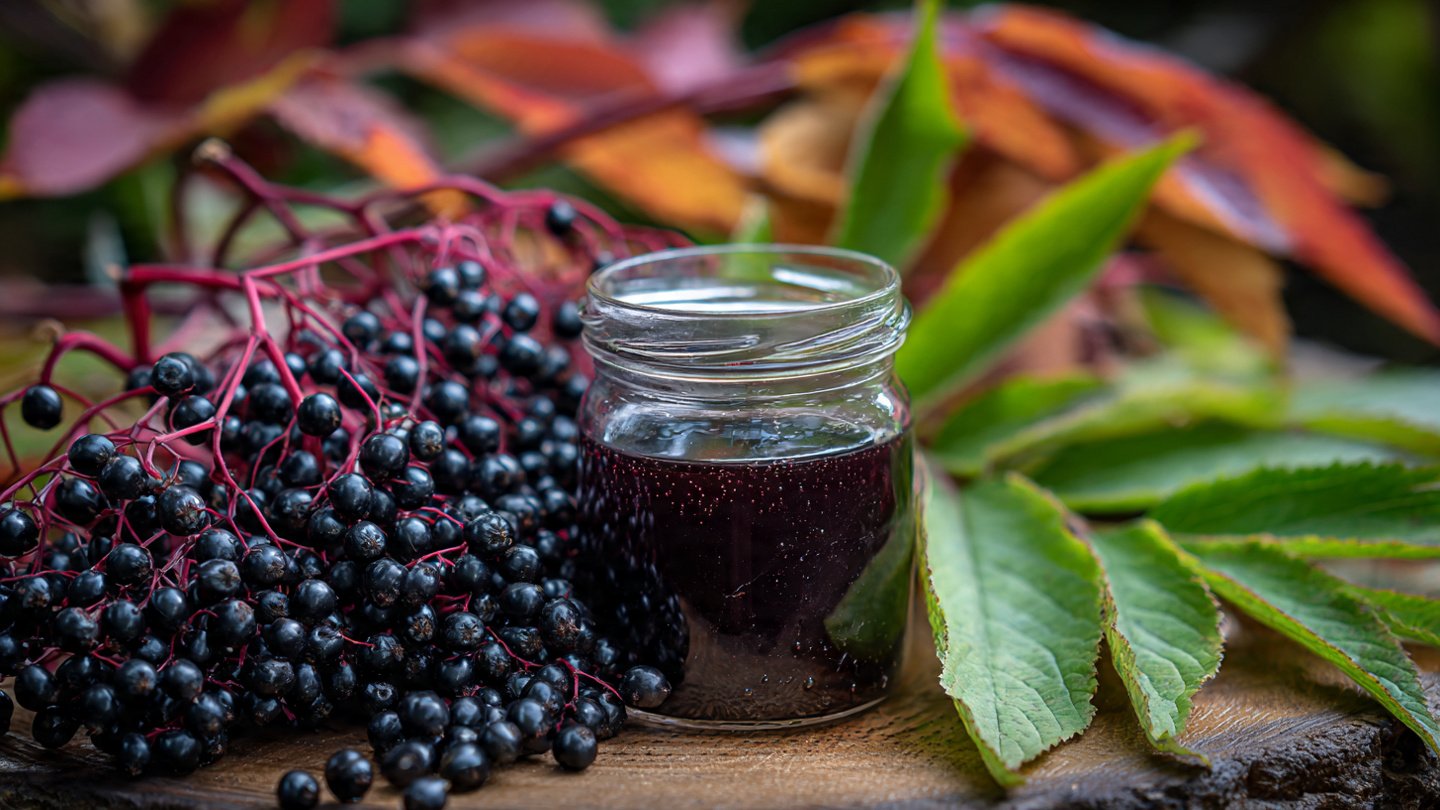
Elderberries are small, dark purple berries that grow on the Sambucus tree, and they are known for their vibrant flavor and impressive health benefits. If you’re a fan of homemade syrup, you may want to consider growing your own elderberries. This article will guide you through the steps necessary to grow your elderberry plants, harvest the berries, and eventually make your own delicious syrup.
The Benefits of Growing Elderberries
Growing elderberries has numerous benefits. Not only do they provide a bountiful harvest of tasty berries, but elderberries are also packed with antioxidants, vitamins, and minerals. They have been used in traditional medicine for centuries, particularly for their immune-boosting properties.
Furthermore, elderberry plants are relatively low-maintenance, making them an excellent choice for novice gardeners. They thrive in various climates, and once established, they can yield berries for many years—providing a continual source for your homemade syrups and other recipes.
Choosing the Right Elderberry Variety
There are several varieties of elderberry you can choose from, but the two most popular are:
- Common Elderberry (Sambucus nigra): This is the most widely cultivated variety, known for its larger berries.
- American Elderberry (Sambucus canadensis): Native to North America, this variety is also a popular choice for its hardiness and productivity.

Consider factors such as your local growing conditions and the intended use of the berries when selecting your variety.
Planting Elderberries
The first step in growing your own elderberries is selecting the right planting site. Elderberry plants thrive in:
- Well-drained soil rich in organic matter
- A sunny location, although they can tolerate partial shade
- Moist conditions, so nearby water sources can be beneficial
Once you’ve chosen your site, follow these steps to plant your elderberries:
- Prepare the Soil: Before planting, enrich your soil with compost to ensure it’s nutrient-dense.
- Spacing: Plant elderberry bushes at least 6 to 10 feet apart to allow for growth.
- Planting: Dig a hole about twice the width of the plant’s root ball, place the roots in, and cover them with soil. Water thoroughly.
Care and Maintenance
After planting, the next step is to care for your elderberry bushes. Here are some essential upkeep practices:
- Watering: Keep the soil consistently moist, particularly during dry spells. However, ensure the plants are not sitting in waterlogged conditions.
- Fertilizing: Fertilize plants in early spring using a balanced fertilizer. This supports healthy growth and berry production.
- Pruning: In the late winter or early spring, prune back dead or weak branches. This encourages new growth and better fruit production.
- Pest Control: Monitor your plants for pests and diseases. Organic solutions, such as insecticidal soap, can be effective.
Harvesting Elderberries
Typically, elderberries are ready to be harvested in late summer to early fall when the berries have turned a deep purple and look plump. To harvest, cut entire clusters of berries and place them in a container.
Making Elderberry Syrup
Once you have harvested your elderberries, you can make your own syrup. Here’s a simple recipe to get you started:
Ingredients
- 1 cup of fresh elderberries (or ½ cup of dried elderberries)
- 4 cups of water
- 1-2 cups of honey (to taste)
- Optional: a cinnamon stick or fresh ginger for added flavor
Instructions
- Boil the Berries: In a saucepan, combine the elderberries and water. Bring to a boil, then reduce to a simmer and cook for about 30 minutes.
- Strain: Once the mixture has cooled, strain the liquid through a fine mesh sieve or cheesecloth to remove the berries.
- Add Sweetener: Return the liquid to the stovetop, and add honey (to taste). Heat gently until fully dissolved.
- Store: Pour the syrup into sterilized bottles and refrigerate. The syrup can last for several weeks when refrigerated.
Conclusion
Growing your own elderberries can be a rewarding experience—one that offers not only delicious syrup but also a myriad of health advantages. With the right care and attention, your elderberry bushes can thrive and provide a rich harvest year after year. By following the steps outlined above, you can enjoy the satisfaction of growing your own fruit and making homemade elderberry syrup that is both tasty and healthful.
FAQs
1. Can I grow elderberries in pots?
Yes, elderberries can be grown in pots, but ensure that the containers are large enough to allow for healthy root growth. Use well-draining soil and maintain proper moisture levels.
2. Are elderberries toxic when raw?
Yes, raw elderberries contain cyanogenic glycosides, which can be toxic when consumed in large quantities. It is essential to cook elderberries before consumption.
3. How often should I water my elderberry plants?
Water your elderberry plants regularly, ensuring that the soil remains consistently moist but not saturated. Adjust your watering schedule based on seasonal rain and temperature.
4. What pests should I watch out for?
Common pests include aphids, spider mites, and fruit flies. Regularly inspect your plants and take appropriate action as needed.
5. When is the best time to prune elderberry bushes?
Late winter or early spring is the best time to prune elderberry bushes to promote new growth and improve berry production.