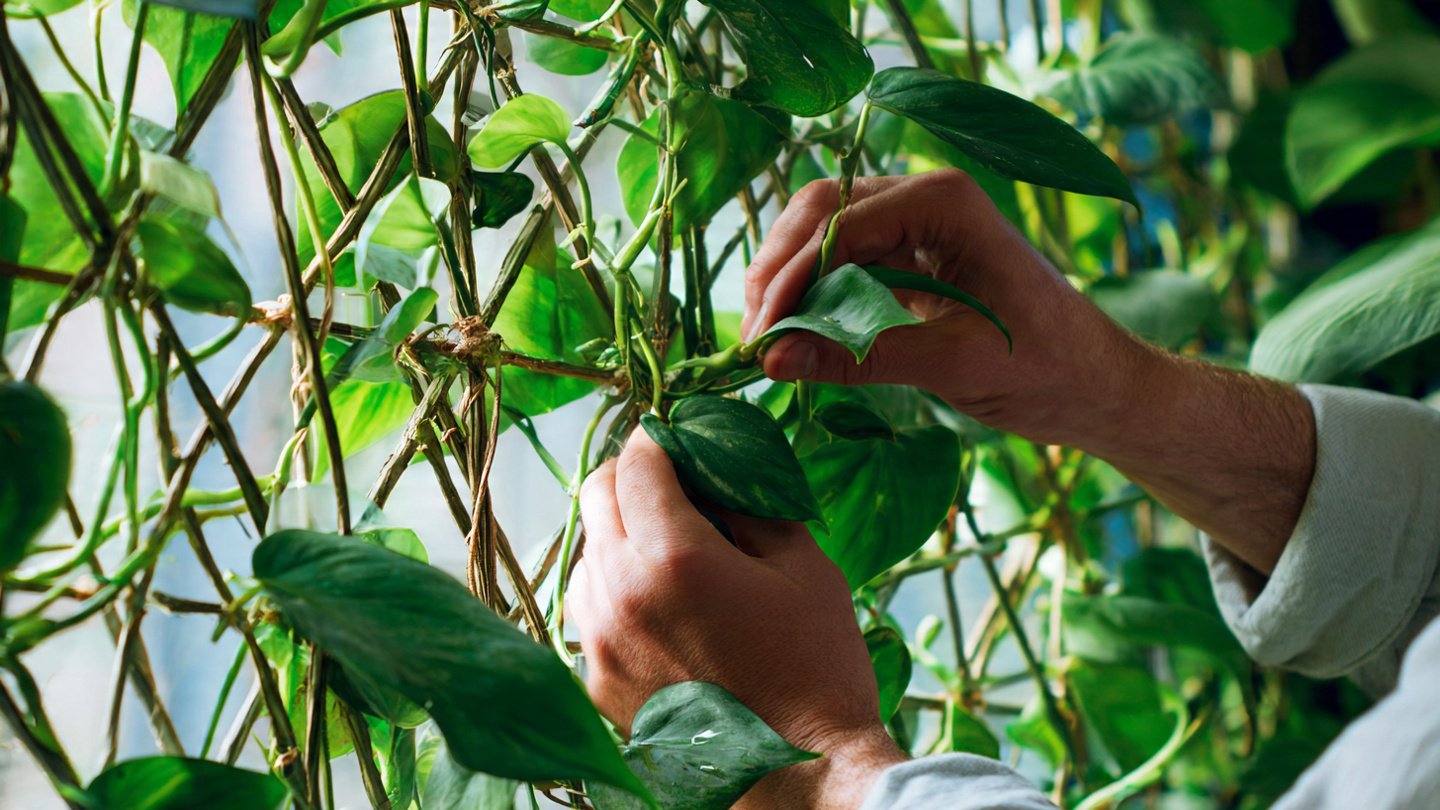
Philodendrons are popular houseplants known for their ease of care, lush foliage, and air-purifying qualities. As these plants grow, their trailing vines can become unruly, leading to a need for support and structure. Using a trellis is an excellent solution for supporting a growing philodendron, allowing it to flourish, stay healthy, and maintain its aesthetic appeal. In this article, we will delve into the steps necessary to effectively support a philodendron on a trellis.
Understanding Philodendron Growth Patterns
Before diving into the specifics of trellis support, it’s essential to understand the growth patterns of philodendrons. These plants are climbers by nature, with vines that can stretch several feet long. Here are some key growth characteristics:
- Vining Habit: Philodendrons naturally seek out vertical support to climb, which allows them to access more sunlight.
- Leaf Size and Shape: As they climb, the leaves may change in size and shape, often becoming larger in the presence of ample light.
- Root Structures: Many philodendron varieties have aerial roots that help them attach to surfaces as they climb.
Selecting the Right Trellis
The first step in supporting your philodendron is selecting an appropriate trellis. Here are some factors to consider:
1. Material

Choose a trellis made from durable, lightweight materials such as bamboo, wood, or metal. Avoid fragile materials that may break under the weight of the growing plant.
2. Size
The trellis should be tall enough to accommodate the potential height of your philodendron. A trellis that is at least 3 to 5 feet tall is typically ideal.
3. Design
Consider the design of the trellis. A simple vertical design is often best, but consider options that provide a wider base or multiple tiers for more stability.
Preparing Your Philodendron for Support
Once you have selected a trellis, the next step is to prepare your philodendron for support. Follow these steps:
1. Pruning
Begin by pruning any dead or damaged leaves. This will encourage new growth and make it easier for the plant to climb the trellis. Make clean cuts at a 45-degree angle using sharp pruning shears.

2. Training the Vines
Carefully train the existing vines to start ascending the trellis. You can do this by gently wrapping the vines around the trellis, ensuring they are loosely secured to prevent damage.
3. Anchoring with Soft Ties
Use soft ties or garden twine to secure the vines to the trellis. Avoid using materials that might cut into the stems. Soft fabric ties or stretchy plant ties are excellent options.
Providing Proper Care
Supporting a philodendron on a trellis requires continued care to ensure healthy growth. Here are key care practices:
1. Watering
Ensure the plant is adequately watered but avoid overwatering. Philodendrons prefer soil that is consistently moist but not soggy. Check the top inch of soil; if it’s dry, it’s time to water.
2. Light Requirements
Provide your philodendron with bright, indirect light. While they can tolerate lower light conditions, they thrive in bright settings. Avoid direct sunlight, which can scorch the leaves.

3. Fertilization
Fertilize every 4-6 weeks during the growing season (spring and summer) with a balanced liquid fertilizer. This will support vigorous growth as it climbs the trellis.
4. Humidity
Philodendrons enjoy higher humidity levels. Consider using a humidity tray or a misting routine to keep the leaves healthy and avoid browning tips.
Monitoring Growth and Adjusting Support
As your philodendron grows, you may need to monitor its progress and adjust support. Here’s how:
1. Regular Inspections
Check the growth of the vines regularly. Look for signs that they are not adequately secured or are growing too heavy for the trellis.
2. Adding More Support

As the plant grows, it may require additional support. Be prepared to introduce extra ties or even another trellis if necessary.
3. Reassessing the Trellis
If you notice your philodendron is thriving and climbing well, you might need a taller or sturdier trellis. Consider upgrading if you anticipate significant growth.
Conclusion
Supporting a growing philodendron on a trellis not only enhances the beauty of the plant but also mimics its natural climbing habits. By following the proper steps to select an appropriate trellis, prepare the plant, and provide consistent care, you can ensure that your philodendron thrives in your home. Regular monitoring and adjustments will facilitate sustained growth and a robust climbing display.
FAQs
1. How often should I water my philodendron when it’s on a trellis?
Water your philodendron when the top inch of soil feels dry. This usually translates to once a week, but it ultimately depends on the climate and pot size.
2. Can I use any type of trellis?
Not all trellises are suitable. Choose one that is sturdy, made of suitable materials, and designed for climbing plants. Bamboo or wooden trellises work well.

3. Will my philodendron grow faster on a trellis?
While a trellis won’t necessarily speed up growth, it will encourage your philodendron to grow more vertically, helping it to attain its full size and allowing for better leaf development.
4. What do I do if my philodendron’s leaves start to turn yellow?
Yellow leaves can indicate overwatering, underwatering, or nutrient deficiencies. Check your watering routine and consider a balanced fertilizer.
5. How do I propagate a philodendron?
You can propagate a philodendron by cutting a section of the stem, ensuring it has several leaves and a good node. Place it in water or soil; it should root within a few weeks.