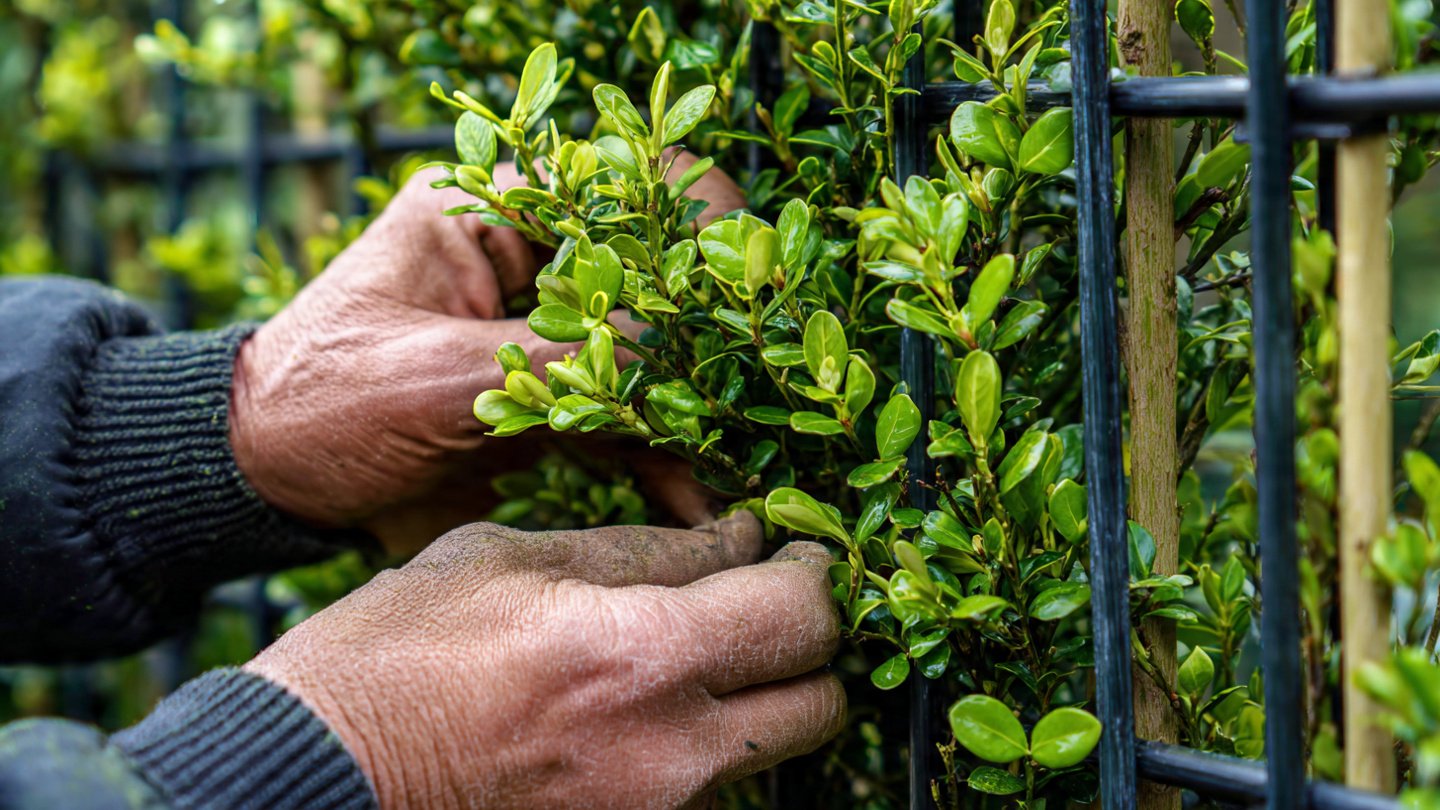
Creating perfectly shaped boxwood shrubs can be an intimidating task, especially if you think it requires precision measuring tools. However, the truth is that you can achieve stunningly shaped boxwood plants simply by using your natural gardening instincts and a few practical techniques. This article will explore methods that focus on observation, hand-eye coordination, and some clever tricks that allow for artistic shaping without the need for a tape measure or ruler.
Understanding Boxwood as a Plant
Before you can shape boxwood effectively, it’s crucial to understand its growth patterns and characteristics. Boxwoods are evergreen shrubs that are slow-growing and dense, making them an ideal choice for hedges and ornamental shapes. Their leaves are small and waxy, providing a lush appearance year-round.
The Art of Shaping Boxwood
Shaping boxwood is as much an art as it is a science. The following techniques focus on observing your plants, working with their natural growth patterns, and using your hands to create the desired shape.
1. Observation is Key
Take some time to closely observe your boxwood. Look at its natural growth pattern and identify how the branches grow outwards. Pay attention to the density, height, and overall shape of the shrub. This initial observation lays the foundation for your shaping process.
2. Initial Trimming

Start with a light initial trim. Use sharp pruning shears to remove any dead or damaged branches. Focus on areas that stick out or disrupt the overall look. This clean-up phase helps you visualize the desired shape better.
3. Hand-Guided Shaping
Instead of measuring, use your hands as a guideline. Stand back and evaluate the shape from different angles. Shape the bushes by gradually trimming branches that feel out of place. This technique relies on your eye for symmetry and balance.
4. Create a Guideline with Your Eye
Your eye can act as a guide for symmetry. As you shape the boxwood, ensure that both sides maintain a similar contour. This method may take some practice but will help you achieve a balanced shape without measuring.
Tools You Will Need
While you won’t be measuring, there are a few essential tools you will find helpful:
- Sharp Pruning Shears: A good pair is critical for clean cuts.
- Garden Gloves: Protect your hands while working.
- Garden Rake: Useful to clean up debris after pruning.
- Hand Pruners: For detailed works and smaller branches.

Timing Your Pruning
The right time to shape your boxwood is crucial for healthy growth. Late spring to early summer is ideal, as the plant is entering its active growth phase. Avoid pruning late in the season, as this may expose fresh cuts to winter damage.
Techniques for Long-term Maintenance
After achieving your desired shape, maintaining the boxwood becomes the next priority. Consider these long-term techniques:
1. Consistent Monitoring
Regularly monitor the growth of the boxwood. As you continue to observe its growth, you’ll learn when and where to trim without having to measure.
2. Light Trimming

Instead of heavy pruning at once, opt for light, consistent trimming throughout the growing season. Regular maintenance helps keep the bush in its desired shape and prevents overwhelming regrowth.
3. Seasonal Care
Keep an eye out for pests and diseases that might affect the health of your boxwood. Applying organic treatments when necessary will keep the plants vigorous and able to maintain their shape.
Common Mistakes to Avoid
Even with a good eye and intuition, mistakes can happen. Here are some common pitfalls to avoid:
1. Over-Trimming
Be cautious not to over-prune your boxwood. Removing too much foliage can stress the plant and lead to an unbalanced appearance.
2. Ignoring Growth Patterns
Ensure that you respect the plant’s natural form. Forcing a shape that contrasts with the plant’s natural growth can lead to a less attractive outcome.

3. Neglecting Seasonal Changes
Different seasons can affect how boxwood should be trimmed. Always adjust your approach based on the time of year and the plant’s active growth cycles.
Conclusion
Achieving a perfectly shaped boxwood without measuring may take a bit of practice, but relying on your observations, instincts, and artistic sensibilities can lead to remarkably beautiful results. Each prune and cut adds character and brings you closer to that ideal shape—something that measuring often takes away. Embrace the versatility of the boxwood and let your gardening skills shine without the rigid constraints of measuring tools.
FAQs
1. How often should I trim my boxwood?
It’s advisable to thin out your boxwood once or twice a year, focusing on light trimming to maintain shape and health.
2. What time of year is best to prune boxwood?
Late spring and early summer are ideal for shaping because the plant is actively growing and can bounce back quickly from pruning.

3. Can I shape boxwood into any form?
Yes, boxwoods are highly versatile and can be shaped into a variety of forms such as spheres, cubes, or even more intricate topiary shapes.
4. Will pruning affect the health of my boxwood?
Proper pruning techniques can enhance the health of your boxwood by encouraging new growth and air circulation. However, over-pruning can stress the plant.
5. Are there any special care tips after pruning?
After pruning, ensure your boxwood receives adequate water and nutrients. Monitor for any signs of pests or diseases that may arise post-pruning.