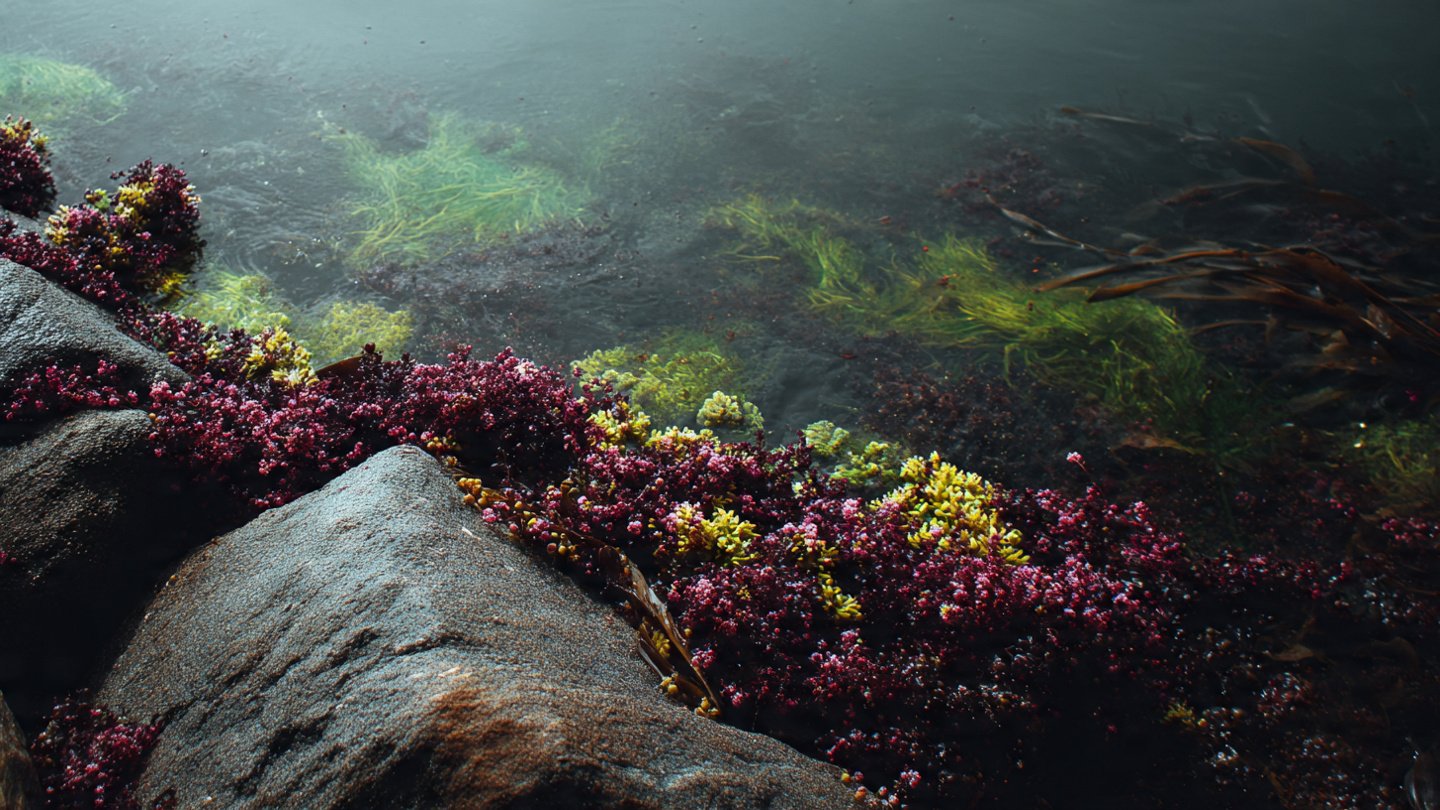
As gardeners, we are always on the lookout for natural methods to enhance soil health, boost plant growth, and combat pests. Seaweed, often overlooked, offers a treasure trove of benefits for your garden. This article delves into how incorporating seaweed can transform your garden into a thriving oasis, while also providing practical tips for its use and advantages.
What is Seaweed?
Seaweed is a type of marine algae found in oceans around the world. There are various species, with some of the most common being kelp, dulse, and chaeto. These organisms are not only vital to marine ecosystems but also offer substantial benefits when introduced to terrestrial environments like gardens.
Why Use Seaweed in Your Garden?
1. Nutrient-Rich Fertilizer
One of the primary reasons gardeners use seaweed is its rich nutritional profile. Seaweed contains essential macro and micronutrients, including nitrogen, phosphorus, potassium, magnesium, calcium, and trace minerals. These nutrients are crucial for plant growth and health.
2. Soil Structure Improvement
The addition of seaweed can significantly improve soil structure. When incorporated into the soil, seaweed helps in forming aggregates, increasing the soil’s ability to hold water and air, which in turn encourages root growth and enhances microbial activity.

3. Enhancing Plant Resilience
Seaweed contains natural growth hormones, such as cytokinins and auxins, which stimulate plant growth and can help plants become more resilient to stress. This means they can better withstand drought, diseases, and pest infestations.
4. Pest and Disease Management
Certain compounds within seaweed exhibit antifungal and antibacterial properties that help protect plants from pests and diseases. When applied as a foliar spray, seaweed can deter harmful organisms and bolster plants’ natural defenses.
Types of Seaweed for Garden Use
Not all seaweed is created equal when it comes to gardening. Here are some of the most commonly used types:
Kelp
Kelp is perhaps the most popular choice among gardeners. It is rich in potassium and other essential nutrients and can be used in both liquid and powdered forms.
Dulse

This red algae is nutrient-dense and is often used in organic gardening. Dulse is typically available in dried form and can be incorporated into the soil or used as a foliar spray.
Chlorella
A green microalga, chlorella is high in protein and vitamins. It’s often used to boost nutrient availability in the soil and can be an excellent addition to compost teas.
How to Use Seaweed in Your Garden
1. As a Fertilizer
Seaweed can be applied directly to the soil or dissolved in water as a liquid fertilizing solution. Here’s how:
- Dried Seaweed: Chop or grind dried seaweed into smaller pieces, then mix it into your compost pile or directly into planting holes.
- Liquid Fertilizer: Soak fresh or dried seaweed in water for about 2-3 weeks. Strain the liquid and use it to water your plants, providing a nutrient boost.
2. Soil Amendments

Mixing seaweed into your garden soil can help improve its structure and fertility. Whether you’re preparing new flower beds or revitalizing existing ones, this addition can bring about transformative changes.
3. Companion Planting
Using seaweed alongside companion plants can create a natural synergy that enhances growth. For example, planting seaweed among vegetables can deter pests and improve nutrient uptake.
4. Foliar Spray
The liquid extracted from seaweed can also be sprayed directly onto plant leaves. This method allows for quick nutrient absorption and immediate benefits, especially during peak growth periods.
Environmental Benefits of Using Seaweed
Beyond improving your garden, using seaweed also contributes positively to environmental sustainability:
1. Sustainable Resource
Seaweed is a renewable resource that grows rapidly without the need for freshwater or fertilizers. By utilizing seaweed, gardeners can adopt a more sustainable approach to gardening practices.

2. Carbon Sequestration
Seaweed plays a role in carbon capture, helping to reduce greenhouse gases. This environmental service makes using seaweed in gardens not only beneficial for plants but also for the planet.
Conclusion
Incorporating seaweed into your gardening routine can lead to remarkable transformations, turning your garden into a thriving oasis. From improving soil health and plant resilience to offering sustainable environmental benefits, the advantages are substantial. As interest in organic gardening and environmental sustainability grows, seaweed stands out as a natural and effective solution. Consider experimenting with this sea treasure in your garden; you might be delighted with the results!
FAQs
Q1: How often should I apply seaweed to my garden?
A1: It’s generally recommended to apply seaweed as a fertilizer every four to six weeks during the growing season. Adjust frequency based on plant needs and soil conditions.
Q2: Can I use seaweed from the beach directly in my garden?
A2: While you can collect seaweed from the beach, it’s important to rinse it thoroughly to remove salt. Salt can harm plants if applied directly. Always consider local regulations regarding harvesting seaweed.

Q3: Is there a specific type of seaweed that is best for all plants?
A3: Kelp is one of the most versatile types of seaweed and is suitable for a wide variety of plants. However, different plants may have specific needs, so researching the best type for your plants is a good idea.
Q4: Can I use seaweed in indoor gardening?
A4: Yes! Seaweed can be beneficial for indoor plants as well. Use it as a liquid fertilizer or soil amendment to help your houseplants thrive.
Q5: Are there any risks involved in using seaweed?
A5: Seaweed is generally safe; however, be mindful of potential contaminants if harvested from polluted waters. Always choose organic or sustainably sourced products when possible.