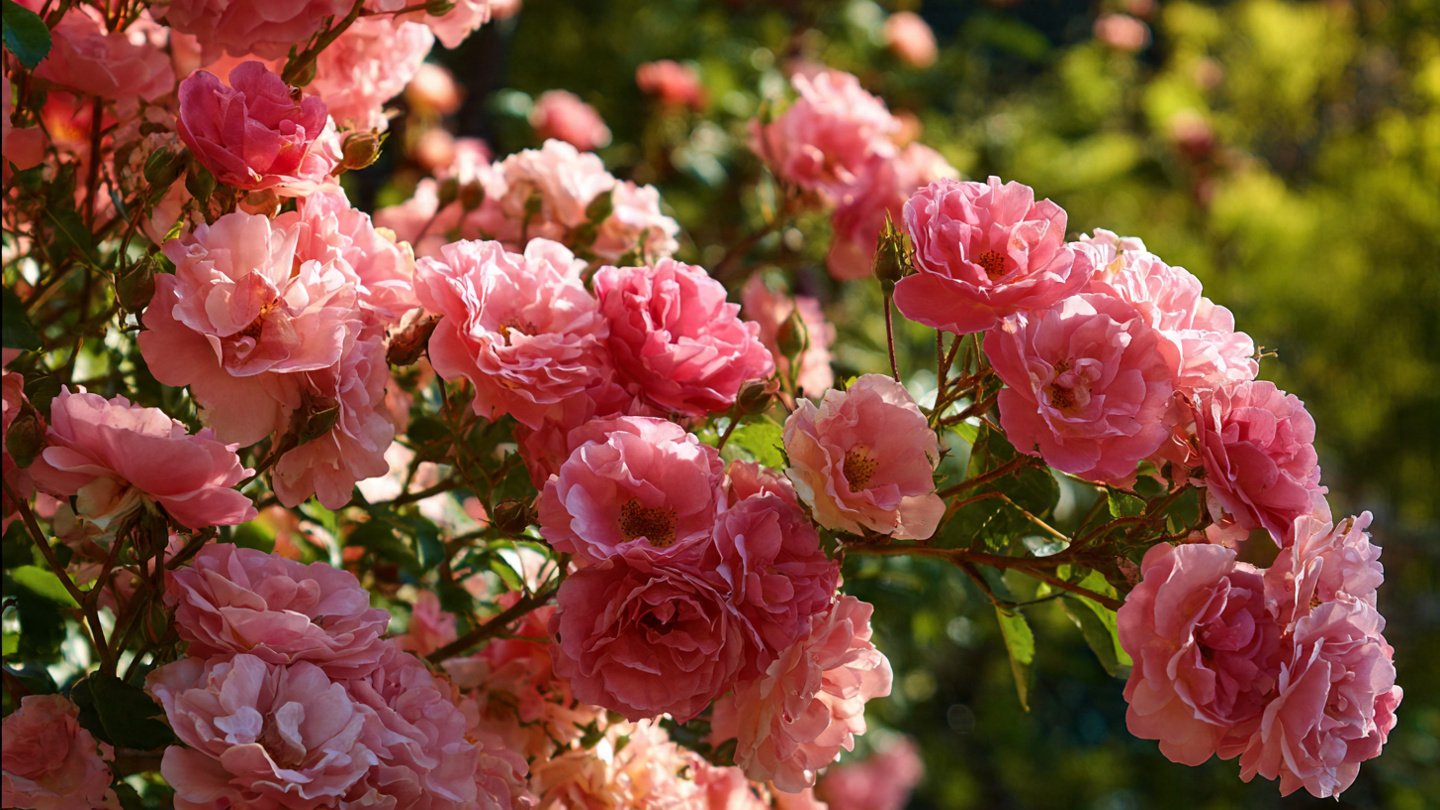
Roses are often celebrated as the queen of flowers. Their stunning blooms, varied colors, and enchanting fragrances make them a favorite in gardens around the world. However, achieving the full potential of rose bushes requires more than just regular watering and sunlight; it demands skillful pruning. Pruning not only maintains the health and shape of rose plants but also encourages vigorous growth and abundant flowering. In this article, we dive deep into how proper pruning techniques can lead to a spectacular explosion of blooms in your rose garden.
Understanding the Basics of Rose Pruning
Pruning involves selectively removing specific parts of a plant to improve its health, appearance, and flower production. For roses, effective pruning can contribute to enhanced air circulation, better sunlight penetration, and reduced risk of diseases.
When to Prune Roses
The timing of pruning can greatly influence the success of your rose bushes. Typically, the best time to prune depends on your climate:
- In Cooler Climates: Late winter or early spring, usually when blooms start to emerge.
- In Warmer Climates: You might prune in late winter to early spring, around the time when the last frost is expected.
Tools You Will Need
Before diving into pruning, gather the right tools to ensure effective and clean cuts. Essential tools include:
- Pruning Shears: For cutting stems and small branches.
- Loppers: For thicker stems that require more force.
- Hedge Shears: Useful for shaping larger bushes.
- Gloves: To protect your hands from thorns.
- Bypass Pruners: Ideal for making curved cuts that don’t damage the plant.

Benefits of Pruning Roses
Pruning offers numerous benefits that directly lead to an explosion of blooms:
1. Promotes New Growth
When you prune your roses, you stimulate the production of new shoots. These new growths are usually more vigorous and are more likely to produce a profusion of flowers. By cutting back older, woody branches, you encourage the plant to channel its energy into producing new blooms.
2. Increases Air Circulation
Roses thrive in environments where air can circulate freely. Proper pruning opens up the center of the bush, reducing the likelihood of diseases caused by damp conditions. Increased air circulation helps mitigate issues such as powdery mildew and black spot, ensuring that the plant can focus its energy on flower production rather than fighting off diseases.
3. Enhances Light Penetration
Just as air circulation is crucial, so is light penetration. Pruning allows sunlight to reach more areas of the plant, particularly the inner branches. Adequate lighting encourages the development of blooms along these branches. When light reaches the inner parts of the plant, the likelihood of flowering increases significantly.

4. Controls Size and Shape
Roses can quickly become overgrown and leggy if left unpruned. Regular pruning helps to maintain a desirable size and shape for the bush, making it easier to manage and enhancing its aesthetic appeal. A well-shaped bush not only looks better but also produces blooms more evenly across the plant.
5. Removes Dead or Diseased Wood
Dead or diseased branches can hinder the growth of healthy parts of the plant. By removing these parts during pruning, you’re not just improving the overall appearance of the rose bush; you’re also ensuring that the plant can focus the nutrients and energy on healthy growth. This practice serves to create a strong foundation for abundant flowering.
Techniques for Effective Rose Pruning
Understanding the fundamental techniques of pruning can help maximize your rose bushes’ flowering potential. Here are some key methods to consider:
1. The 1/3 Rule
A traditional rule of thumb, the 1/3 rule suggests pruning back one-third of the plant each season. This approach helps to rejuvenate older plants and encourages new growth, ultimately leading to a fuller, more flowering bush.
2. Angle Cuts
Make your cuts at a 45-degree angle, about 1/4 inch above a bud that is facing outward. This technique helps to encourage outward growth, creating a more open plant that allows sunlight and air to penetrate.

3. Remove Crossing Branches
Eliminate any branches that cross each other, as they can rub against one another, causing damage and increasing the risk of disease. This also helps to maintain an open center, allowing for better light and air circulation.
4. Eliminate Weak Growths
When pruning, focus on healthy stems and remove any weak, thin, or spindly growths. These branches typically do not produce significant blooms and can detract energy from the healthier parts of the bush.
5. Shape the Plant
While it’s essential to prune for health and growth, shaping is just as important. When you prune, envision the shrub you want to see. Ensure that it has an open center and a balanced shape, promoting both health and beauty.
Special Considerations for Different Rose Varieties
Not all roses are created equal, and pruning techniques may vary slightly depending on the type of rose. Here’s a brief look at some popular varieties:
Hybrid Teas
These roses typically require a more stringent pruning regimen. Aim to prune them back to about 12–18 inches from the ground, focusing on shaping the plant for optimal blooming.
Floribundas

Floribundas can be pruned more lightly, usually reducing their height by about one-third. These roses are less formal in structure and will benefit from a slightly less aggressive approach.
Climbing Roses
Climbers should be pruned after they bloom. In general, prune to shape the plant and remove any dead or weak stems, allowing for new shoots to take over.
Aftercare: Ensuring Success Post-Pruning
The work doesn’t end with pruning. Proper aftercare is crucial for ensuring a blooming explosion of flowers:
1. Watering
Immediately after pruning, ensure the plant is properly watered. This not only helps the plant recover from the shock but also supports new growth.
2. Fertilization
Applying a balanced fertilizer post-pruning can further promote healthy growth. Look for fertilizers rich in phosphorus, which is known to enhance blooming.
3. Mulching
Adding a layer of mulch around the base of the plant retains moisture and provides nutrients as it decomposes. It also helps in suppressing weeds that could compete for nutrients.

4. Monitoring
After pruning, closely monitor your rose bushes. Look for signs of disease or pest infestations, and act quickly to protect your investment.
Common Mistakes to Avoid
While pruning can lead to stunning results, certain common mistakes could hinder the growth of your roses:
- Over-Pruning: While removing dead or diseased wood is essential, over-pruning can lead to stress and hinder flowering.
- Pruning at the Wrong Time: Timing matters. Pruning too late in the season can remove potential blooms.
- Using Dull Tools: Dull blades can crush stems rather than create clean cuts, leading to wounds that can be entry points for diseases.
Conclusion
Pruning your roses is a powerful technique that promotes robust growth and leads to an explosion of beautiful blooms. By understanding the principles of effective pruning—timing, technique, and aftercare—you can harness the full potential of your rose plants. Whether you are an experienced gardener or a novice, with diligence and care, the rewards in the form of breathtaking flowers will be well worth your efforts. So grab your pruning shears and prepare for a vibrant, flowering spectacle in your garden!