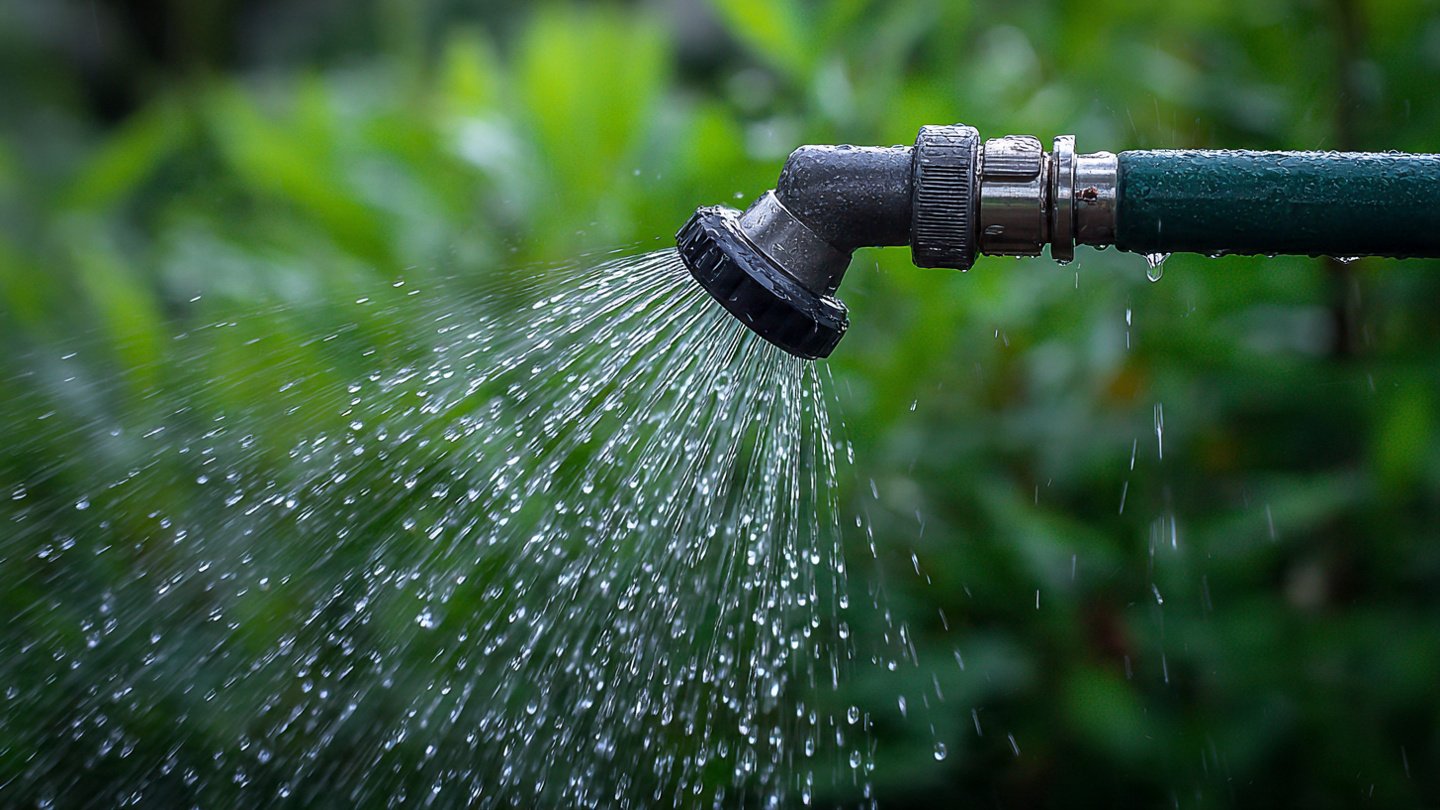
Water conservation is more critical than ever, with rising utility costs and environmental concerns. One effective method to reduce water usage in gardens and yards is through traditional irrigation methods. However, modern techniques, like soaker systems, can be simple yet remarkably efficient. This article will explore how a soaker system works, its benefits, installation tips, and how it can significantly lower your water bill.
Understanding Soaker Systems
A soaker system is a type of irrigation solution designed to deliver water directly to the roots of plants through porous materials. This method allows water to seep slowly into the soil, ensuring efficient moisture retention and reducing waste. The systems can be made from various materials, including biodegradable hoses and PVC pipes, and are easy to set up. They can be employed in various gardening scenarios, from vegetable patches to flower beds.
The Benefits of Using a Soaker System
Implementing a soaker system has multiple advantages that contribute to both water conservation and a healthier garden:
- Efficiency: Soaker systems deliver water directly to the plants’ roots, minimizing evaporation and runoff, which is a common issue with traditional sprinklers.
- Reduced Water Waste: Since the water is applied at a slow and steady rate, less water seeps into areas where it’s not needed, significantly cutting down on waste.
- Improved Plant Health: Consistent moisture at the root level encourages healthier plant growth, reducing stress on plants during dry spells.
- Cost Savings: Government studies suggest that implementing a soaker system can reduce water usage by up to 50%, directly impacting your monthly water bill.
- Reduced Weeds: By watering only the plants and not the surrounding soil, the growth of unwanted weeds is also minimized.

How a Soaker System Affects Your Water Bill
The cost savings associated with soaker systems stem primarily from their efficiency. Traditional sprinkler systems often overspray, wasting water on walked areas, driveways, or other non-plant surfaces. In contrast, a soaker system targets specific areas, leading to significant reductions in water usage.
According to water authority estimates, homeowners using traditional irrigation methods could use as much as 50% more water than necessary, especially during peak growing seasons. In contrast, a well-designed soaker system can drastically reduce this overutilization.
Calculating Your Savings
To understand precisely how a soaker system can cut your water bill, consider the following example:
- Assume your average monthly water bill is $100.
- If you typically use 10,000 gallons of water for your garden, a soaker system may reduce this by half, bringing your usage down to 5,000 gallons.
- Your new monthly bill could potentially be reduced to $50 for your gardening needs, excluding any additional changes in indoor usage.

While the initial investment in a soaker system may vary depending on the size of your garden and specific needs, the long-term savings in water bills and healthier, thriving plants often make it worthwhile.
Installing a Soaker System
Setting up a soaker system doesn’t require extensive gardening knowledge or handyman skills. Here’s a simple step-by-step guide to getting started:
Materials Needed:
- Soaker hose or drip irrigation tubing
- Garden stakes or pegs
- Timer (optional)
- Water source (a faucet or rain barrel)
Installation Steps:

- Plan Your Layout: Determine the areas of your garden that need watering the most. Create a layout sketch to strategize hose placement.
- Purchase Materials: Depending on your gardening needs and garden size, buy the appropriate length of soaker hose or drip tubing.
- Install the Soaker Hose: Lay the hose out according to your plan, ensuring it reaches the roots of all plants that require watering.
- Secure the Hose: Use garden stakes or pegs to hold the hose in place, preventing it from moving over time.
- Connect to Water Source: Attach one end of the soaker hose to your water source. Open the water supply, letting the hose fill and soak into the soil.
- Optional – Set a Timer: Consider using a timer to automate the watering schedule to ensure your garden receives consistent moisture.
Additional Tips for Maximizing Efficiency
To make the most of your soaker system and ensure you’re cutting down on your water bill, consider these additional tips:
- Water Early or Late: Water your garden early in the morning or late in the evening to minimize evaporation due to the sun’s heat.
- Use Mulch: Adding mulch around your plants can help retain soil moisture, reducing the frequency you need to water.
- Regular Testing: Test your soaker system regularly to ensure it’s functioning correctly and distributing water as it should.

Conclusion
In an age where water conservation is paramount, implementing a simple soaker system in your garden can yield substantial benefits. It not only addresses the growing concern of rising water bills but also contributes to healthier plants and reduced environmental impact. With just a little effort for installation and some smart watering practices, you can enjoy a thriving garden while enjoying savings on your monthly expenses. The potential to cut your water bill in half is not just a dream but an achievable reality through the efficient use of soaker systems.
FAQs
1. How long can I expect a soaker hose to last?
Typically, a soaker hose can last between 5 to 10 years, depending on the material it’s made from and the conditions it’s subjected to.
2. Can I reuse the same soaker system every season?
Yes, soaker systems are reusable, but you should clean and store them appropriately during the off-season to prolong their lifespan.
3. How often should I run my soaker system?
This depends on your climate and soil type. Generally, 1-2 times per week for 30-60 minutes should suffice, but adjusting according to rainfall is essential.

4. Is it possible to connect soaker hoses to a rainwater barrel?
Absolutely! Connecting to a rain barrel is an excellent way to utilize rainwater, further contributing to water conservation efforts.
5. Are there DIY options for creating a soaker system?
Indeed! You can craft your own soaker system using materials like PVC pipes with holes drilled into them or repurposed garden hoses.