Introduction
Growing your own cucumbers for homemade pickles is an appealing endeavor, especially for those who enjoy gardening and fresh produce. Whether you want crisp dill pickles or sweet bread-and-butter varieties, cucumbers can be cultivated in various climates and conditions. This article explores the methods and considerations for growing cucumbers at home, as well as the process of creating your own delicious pickles.
Understanding Cucumber Varieties
When it comes to pickling, not all cucumbers are created equal. There are two primary types of cucumbers to consider:
- Slicing Cucumbers: These are often larger, smoother, and bred for eating raw in salads. Although they can be pickled, they are not the preferred choice.
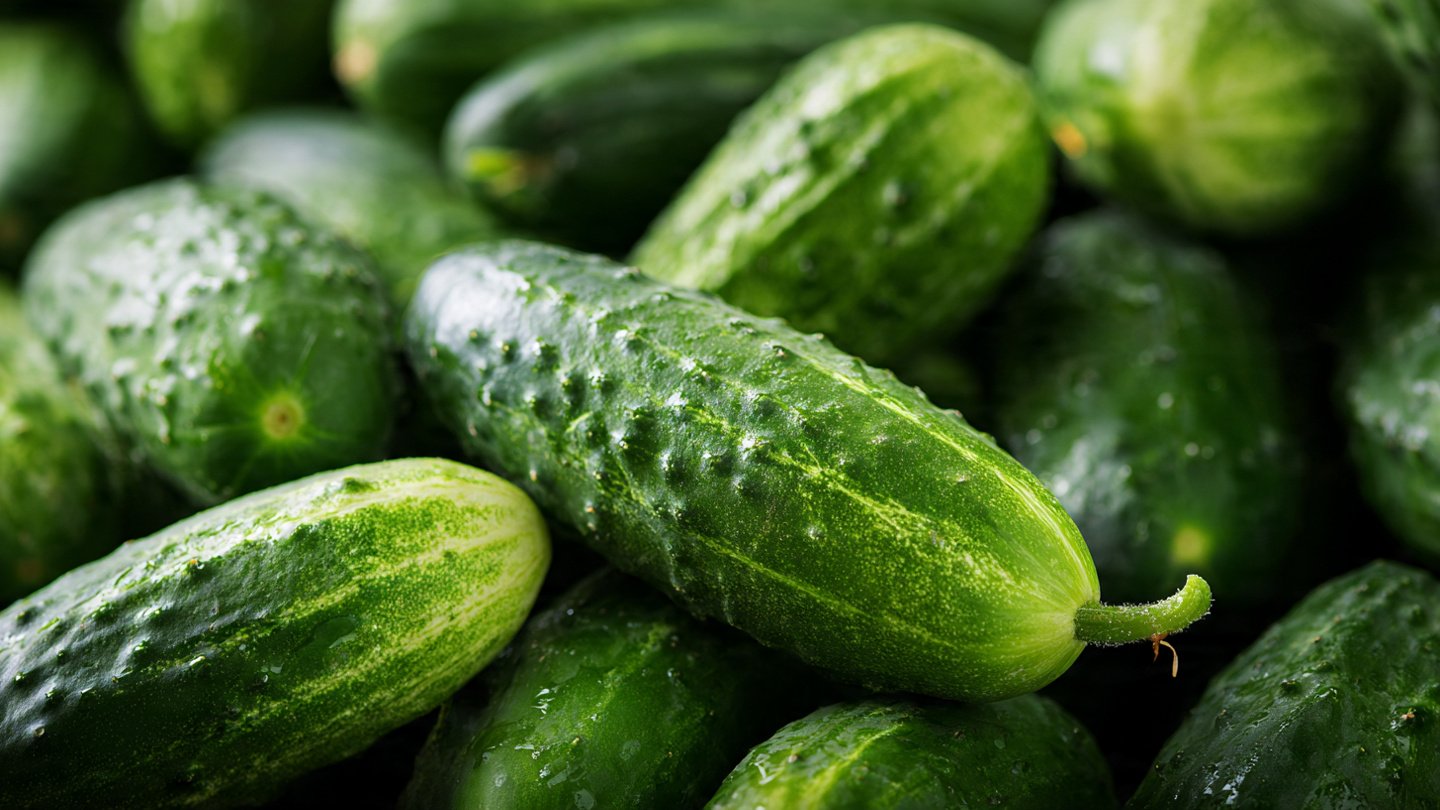
- Pickling Cucumbers: Smaller, bumpy, and firm, pickling cucumbers (such as the Kirby variety) are optimal for making pickles. Their tougher skin holds up well during the pickling process.
Choosing the right variety is crucial to achieving the best flavor and texture in your homemade pickles.
Sowing and Cultivating Cucumbers
Growing cucumbers successfully requires understanding their growth needs and optimal conditions:
1. Soil Preparation

Cucumbers thrive in well-draining, fertile soil with a pH level between 6.0 and 6.8. To prepare the soil:
- Test the soil pH and amend it with lime or sulfur as needed.
- Incorporate organic matter such as compost or well-rotted manure to improve fertility and structure.
2. Planting
Cucumbers can be sown directly in the garden or started indoors, depending on your climate:
- If planting outdoors, wait until the last frost has passed, and soil temperatures reach at least 60°F (15.5°C).
- For indoor sowing, start seeds 3-4 weeks prior to the last frost date and transplant them outdoors once conditions are favorable.
Plant the seeds about 1 inch deep and 36 inches apart, creating hills of 2-3 seeds per hill if desired.
3. Watering and Maintenance
Cucumbers require regular watering, especially during dry spells. Aim for about 1 to 1.5 inches per week. Here are some tips:

- Water deeply and less frequently to encourage deep root growth.
- Avoid overhead watering to minimize the risk of fungal diseases.
Ensure you also monitor for pests and diseases. Common pests include cucumber beetles and aphids. Regularly inspect plants and take action as necessary.
4. Fertilization
Cucumbers are heavy feeders; therefore, an organic fertilizer high in potassium and phosphorus will benefit the growth of cucumbers. Fertilize when planting and again when the plants start to produce fruit.
Harvesting Cucumbers
Timing is essential when it comes to harvesting cucumbers for pickling. Here are the key points:
- Harvest cucumbers when they reach about 4-6 inches in length for making pickles.
- Check daily; cucumbers can grow quickly, and harvesting them promptly ensures optimal size and flavor.
- Avoid letting cucumbers over-ripen, as this can lead to bitterness and a decline in quality.
Making Homemade Pickles

Once you have harvested your cucumbers, you’re ready to make pickles! Here’s a basic guide:
1. Preparing the Cucumbers
Wash the cucumbers thoroughly and cut them into your desired shape—whole, spears, or slices.
2. Brining
To create the brine, combine vinegar, water, salt, and spices (such as dill, garlic, and mustard seeds). Here’s a simple brine recipe:
- 1 cup vinegar (white or apple cider)
- 1 cup water
- 2 tablespoons salt
- Optional spices: garlic cloves, dill, peppercorns, etc.
Heat the mixture until the salt dissolves, then allow it to cool.
3. Packing the Jars

Place the cucumbers in sterilized jars, packing them tightly but without crushing. Pour the brine over the cucumbers, ensuring they are completely submerged. Seal the jars with lids.
4. Curing
Allow the sealed jars to sit in the fridge for at least 24 hours, though longer curing (up to 2-3 weeks) will yield better flavor.
Conclusion
Growing your own cucumbers for homemade pickles is not only a rewarding gardening project but also a delicious way to enjoy your harvest. With suitable soil and careful attention to growing conditions, you’ll be able to cultivate cucumbers that taste fresh and fabulous. The pickling process itself is straightforward, allowing you to experiment with flavors and customize your pickles. So, whether you’re an experienced gardener or a complete novice, growing cucumbers for pickling can enhance your culinary adventures and bring the farm-to-table experience right to your kitchen.
FAQs
1. How long does it take for cucumbers to grow?
Cucumbers typically take about 50 to 70 days from planting to harvest, depending on the variety.
2. Can I grow cucumbers in pots?
Yes, cucumbers can be grown in pots or containers. Make sure the pot is at least 5 gallons in size and use a trellis for support.

3. What is the best time to plant cucumbers?
The best time to plant cucumbers is in late spring, after the danger of frost has passed and the soil is warm.
4. How can I prevent pests from damaging my cucumber plants?
Using row covers, introducing beneficial insects, and regularly inspecting for pests can help minimize damage.
5. Are homemade pickles healthier than store-bought?
Homemade pickles are often healthier as you can control the ingredients, including reducing salt and sugar content and avoiding preservatives.