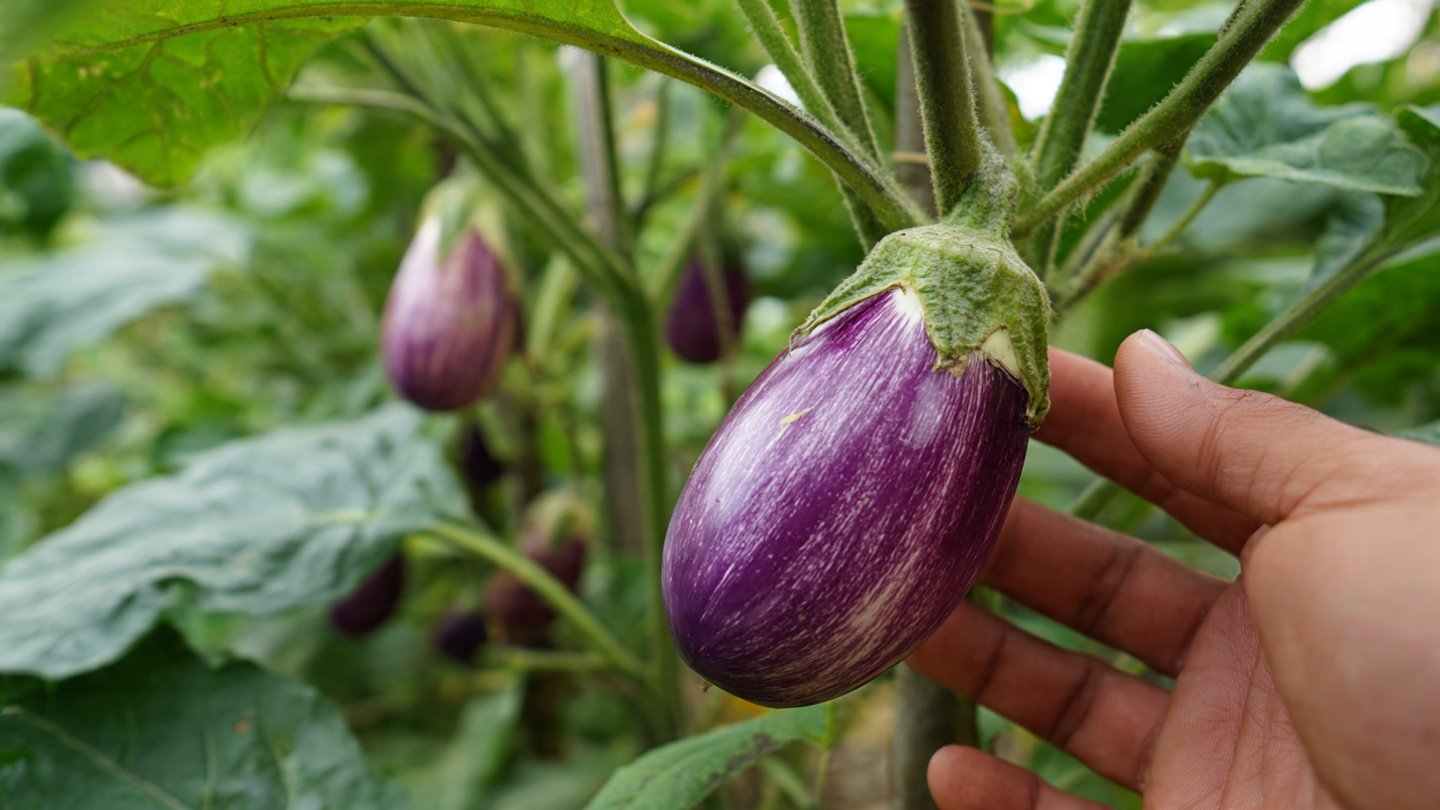
Growing your own vegetables at home offers not only the satisfaction of nurturing a plant but also the delight of fresh ingredients for your meals. Among various vegetables to cultivate, eggplant stands out for its versatility, especially in dishes like veggie parmesan. This article explores the feasibility of growing eggplant at home, the ideal conditions, care requirements, and how to utilize your homegrown eggplant in a delicious veggie parmesan recipe.
Understanding Eggplant Varieties
Before you start planting, it’s essential to understand the different varieties of eggplants. They vary in size, color, and flavor, so choosing the right type suited for your climate and your culinary needs is crucial. Here are some popular varieties:
- Black Beauty: This is the most common and widely grown variety, featuring a glossy dark purple skin and a rich taste.
- Italian Eggplant: Larger and oval in shape, this variety is perfect for grilling and frying.
- Asian Eggplant: Typically smaller and longer than traditional varieties, it has a tender skin and a slightly sweeter flavor.
- Graffiti Eggplant: Recognizable by its beautiful purple and white striped skin, this variety has a mild taste and is great for stir-frying.
Planting Eggplant at Home
Growing eggplant requires a bit of planning, but the rewards are worth it. Here’s how you can successfully plant eggplant at home:
1. Choose the Right Location

Eggplants thrive in full sunlight, needing at least 6 to 8 hours of direct sun each day. Ensure that your chosen area has well-drained soil that retains moisture without becoming soggy.
2. Prepare the Soil
Before planting, enrich the soil by mixing in compost or well-rotted manure. Aim for a slightly acidic to neutral pH (between 6.0 and 7.0). Good drainage is paramount; adding perlite or sand can help improve soil structure.
3. Starting Seeds Indoors
If you live in a cooler climate, start your seeds indoors about 8 to 10 weeks before the last frost date. Use seedling trays and water them regularly to keep the soil moist but not waterlogged. Once seedlings have developed a few leaves and the weather has warmed, they can be transplanted outdoors.
4. Transplanting Outdoors
Once the seedlings are about 6-8 inches tall and the outdoor temperature is consistently above 60°F (15°C), you can transplant them into the garden. Space plants about 18 to 24 inches apart to allow for growth.
Caring for Your Eggplant Plants
Once your eggplants are in the ground, proper care will ensure a bountiful harvest. Here are some care tips:
1. Watering

Eggplants need consistent moisture, especially during dry spells. Water them deeply once a week, ensuring the topsoil is dry before the next watering. Avoid watering the leaves to prevent fungal diseases.
2. Fertilization
Feed your eggplants with a balanced fertilizer every few weeks to promote healthy growth. A fertilizer high in potassium can enhance fruit production.
3. Pest Control
Watch out for pests like aphids, spider mites, and flea beetles. Use organic insecticidal soap or neem oil to manage infestations. You can also introduce beneficial insects like ladybugs to help with pest control naturally.
4. Supporting the Plants
As eggplants grow, they may become top-heavy, especially when fruiting. Use stakes or cages to support the plants to prevent breakage.
Harvesting Eggplants
Knowing when to harvest is crucial. Eggplants should be picked when they are firm and glossy. The ideal size varies by variety but generally should be about 6 to 8 inches long. Avoid overripe eggplants; their skin will become dull and tough. Cut the fruit from the plant with a sharp knife, leaving a short stem attached.
Cooking with Homegrown Eggplant

One of the delights of growing eggplant is using it in various recipes. A standout dish is veggie parmesan, where eggplant serves as the star ingredient. Here’s a simple recipe to create a delicious veggie parmesan:
Veggie Parmesan Recipe
Ingredients
- 2 medium eggplants, sliced into 1/2-inch rounds
- 3 cups marinara sauce
- 2 cups shredded mozzarella cheese
- 1 cup grated Parmesan cheese
- 1 cup bread crumbs
- 1 tsp Italian seasoning
- Salt and pepper to taste
- Olive oil
- Fresh basil for garnish
Instructions

- Preheat your oven to 375°F (190°C).
- Sprinkle the eggplant slices with salt and let them sit for about 30 minutes to draw out moisture. Rinse and pat them dry.
- In a skillet, heat some olive oil over medium heat and lightly fry the eggplant slices until golden. Drain on paper towels.
- In a baking dish, layer marinara sauce, a layer of eggplant, a sprinkle of mozzarella, and a sprinkle of Parmesan. Repeat layers until all ingredients are used, topping the final layer with bread crumbs and seasoning.
- Bake for about 30 minutes or until bubbly and golden brown on top. Let it cool for a few minutes, garnish with fresh basil, and serve. Enjoy your homemade veggie parmesan!
Conclusion
Growing eggplant at home is a rewarding experience that not only enhances your gardening skills but also provides fresh ingredients for various dishes. With the right care, you can cultivate a healthy crop of eggplants, which, when transformed into a veggie parmesan, makes for a delicious and satisfying meal. Whether you’re a seasoned gardener or just starting, eggplant can be a delightful addition to your home garden.
FAQs
1. How long does it take for eggplants to grow?
Eggplants typically take about 70 to 80 days from transplanting to harvest. This can vary based on the variety and growing conditions.
2. Can I grow eggplants in pots?
Yes, eggplants can be successfully grown in pots. Ensure the pot is large enough (at least 5 gallons) to accommodate the roots and provide adequate drainage.

3. What are the best companions for eggplants?
Good companion plants for eggplants include tomatoes, peppers, and beans. These plants help deter pests and improve soil quality.
4. How can I tell if an eggplant is ripe?
A ripe eggplant will feel slightly firm to the touch and have a glossy skin. If it feels too soft or has a dull appearance, it may be overripe.
5. What should I do if my eggplants are turning yellow?
Yellowing leaves can indicate various issues such as nutrient deficiency, overwatering, or pests. Ensure proper watering, provide the necessary nutrients, and check for pests regularly.