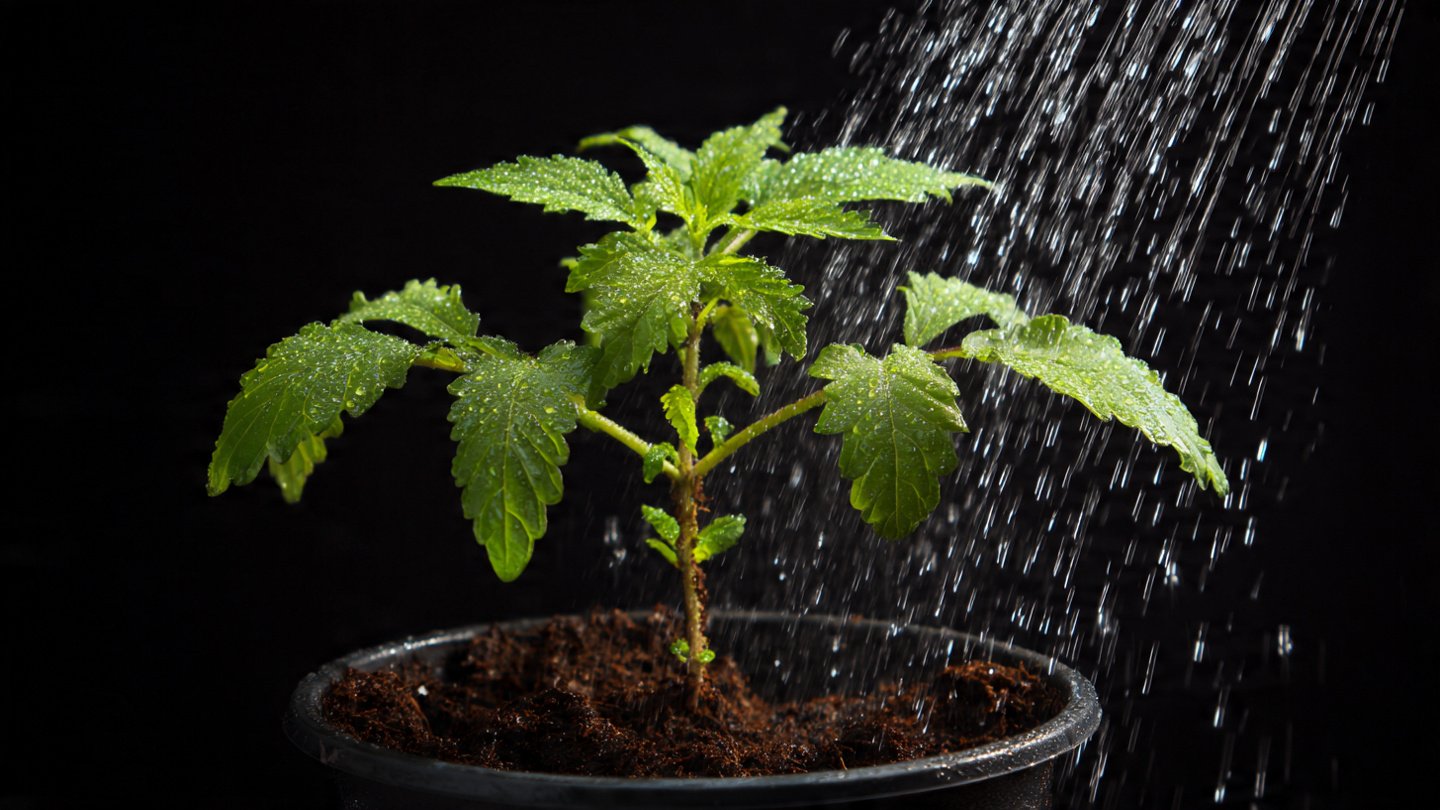
Gardening has evolved into an essential practice for many, providing food, relaxation, and even therapeutic benefits. While traditional methods hold their own merit, innovative techniques like using greywater have shown promise in enhancing plant growth. This article delves into whether greywater can indeed supercharge the growth of plant cuttings.
Understanding Greywater
Greywater refers to the relatively clean wastewater generated from domestic uses such as washing dishes, laundry, and bathing. Unlike blackwater, which comes from toilets and contains harmful pathogens, greywater is generally safe for plants when properly managed. It comprises nutrients that can potentially benefit plant growth.
The Nutritional Benefits of Greywater
Analyzing greywater reveals it contains various essential nutrients and compounds that can be beneficial to plants:
- Nitrogen: Vital for plant growth, nitrogen stimulates leaf growth and is a primary component of amino acids.
- Phosphorus: This nutrient plays a crucial role in energy transfer and root development, especially beneficial for cuttings.
- Potassium: It aids in water regulation and improves disease resistance.
- Organic Matter: Helps improve soil structure and health, promoting microbial activity.

How to Use Greywater Safely
While greywater can be beneficial, it’s essential to use it wisely to avoid potential hazards. Here are some best practices to ensure safe use:
- Use Non-Toxic Products: Opt for biodegradable and phosphate-free soaps. Avoid using greywater from sources that have been in contact with harsh chemicals.
- Filtration: Consider filtering greywater to remove any food particles or soap scum before application.
- Aeration: Allow greywater to sit for a day or two to aerate and reduce pathogens.
- Application: Water the soil directly instead of the plant leaves to minimize any chemical absorption directly into the plant.

The Impact on Cuttings Growth
Plant cuttings, a popular method for propagating new plants, rely heavily on moisture and nutrients to establish roots. Here’s how using greywater might enhance this process:
- Faster Root Development: The nutrients present in greywater may lead to quicker root establishment, enabling cuttings to flourish.
- Improved Soil Health: Regularly using greywater can enhance the microbial population in the soil, fostering a healthier growing environment.
- Cost-Effective: Utilizing greywater represents a sustainable approach to gardening, reducing water bills and conserving precious resources.
Case Studies and Research
Several studies have aimed to assess the effectiveness of greywater in advancing plant growth. Research indicates that specific plants, particularly those that are more tolerant to salts and other compounds, show improvement in growth when irrigated with greywater. Common findings highlight:
- Increased biomass and improved overall health in certain shrub species.
- Enhanced germination rates for various vegetables when watered with treated greywater.
- Strong evidence that specific types of greywater can outperform rainwater in nutrient supply.

Challenges and Considerations
Despite its numerous benefits, using greywater is not without its challenges:
- Salt Accumulation: Some soaps and detergents contain sodium, which can build up in the soil over time, leading to salinity issues.
- Potential Pathogens: Improper management could pose health risks due to pathogens that might be present in greywater.
- Plant Sensitivity: Some plants may be more sensitive to specific chemicals in greywater, necessitating careful monitoring of plant responses.
Conclusion
Using greywater can indeed provide a valuable resource for enhancing cuttings’ growth and promoting sustainable gardening practices. While it is not a one-size-fits-all solution, the careful implementation of greywater can lead to healthier plants, faster root development, and improved soil structure. By understanding its potential benefits and challenges, gardeners can make informed decisions that not only foster vibrant growth but also contribute to water conservation efforts.
FAQs
1. Is greywater safe for all types of plants?
Not all plants respond equally to greywater. It is best to avoid using greywater on edible plants unless it is sure that the soaps and detergents used are safe and non-toxic.
2. How should greywater be stored?
Greywater should be used as soon as possible. If storage is necessary, it should be kept cool, dark, and preferably aerated for no longer than 24 hours to minimize pathogen growth.
3. Can I use greywater from my kitchen to water my plants?
Yes, but ensure that you are using biodegradable soaps and avoid greywater from sources containing oils or food particles.

4. How frequently can I water with greywater?
It is best to alternate between greywater and freshwater to avoid any potential buildup of salts and other compounds in the soil.
5. What are some crops that thrive with greywater?
Crops that are more tolerant to salts, such as certain herbs, some vegetables, and ornamental plants, generally thrive better when watered with greywater.