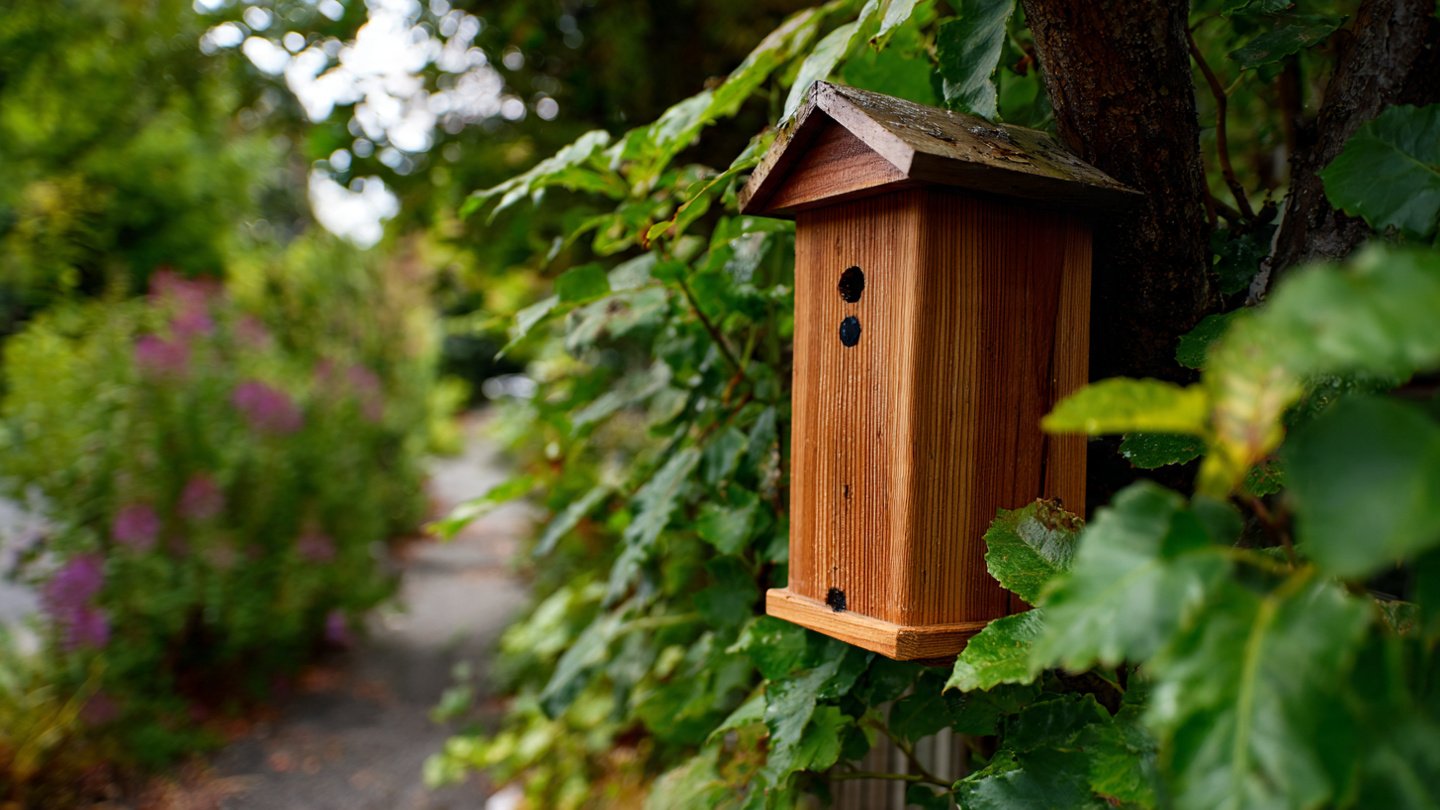
Many gardeners face issues related to pest management, especially when it comes to night bugs. While traditional methods usually involve chemical pesticides or traps, a more ecological and sustainable approach is incorporating a bat box into your garden. This article will explore the benefits of having a bat box, how it effectively manages night bugs, and the additional advantages it provides to your garden ecosystem.
The Role of Bats in Ecosystems
Bats are an essential part of many ecosystems around the world. They are often overlooked as merely nocturnal creatures, but their significance extends far beyond that. Here are a few ways bats contribute to ecosystem health:
- Pest Control: Bats are voracious insect eaters. A single little brown bat can consume more than 1,000 mosquitoes in one hour. This makes them extraordinary pest controllers, especially at night.
- Pollination: Certain species of bats are known to be effective pollinators. They aid in the reproduction of various plants, especially those that bloom at night.
- Seed Dispersion: Fruit bats aid in seed dispersion, contributing to forest regeneration. This process allows for the growth of new plants and the sustainability of ecosystems.
The Benefits of Bat Boxes
1. Natural Pest Control

When you install a bat box in your garden, you naturally attract these beneficial creatures. Bats feed on a wide range of nocturnal insects, including:
- Mosquitoes
- Moths
- Beetles
- Flies
By providing shelter for bats, you can significantly reduce the population of these pests without the need for harmful chemicals.
2. Eco-Friendly Solution
Environmental sustainability is a growing concern for many gardeners. Using bat boxes for pest control is not only effective but also eco-friendly. Unlike conventional pesticides, bat droppings, known as guano, can be a natural fertilizer for your garden. This means that bats provide a dual benefit: pest control and nutrient replenishment.

3. Low Maintenance
Once you have installed a bat box, it requires minimal maintenance. Unlike other pest management methods that may need regular applications of chemicals, managing a bat box only involves ensuring that it remains free from debris and checking it annually for occupants.
4. Educational Opportunities
Installing a bat box provides an excellent learning opportunity for families, schools, and communities. Observing bats can help individuals understand their importance in nature. It can also spark curiosity in children about wildlife conservation and biodiversity.
How to Install a Bat Box
Installing a bat box is relatively straightforward and can be done by most homeowners. Here’s a step-by-step guide:
Step 1: Choose the Right Location
Select a spot away from bright lights, as bats prefer dark areas. A location near a water source is ideal, as it attracts insects. Ensure that it’s at least 10-15 feet above the ground to keep it safe from predators.

Step 2: Select the Appropriate Box
Purchase a bat house that is suitable for your local bat species. Ensure that the materials are durable and capable of withstanding various weather conditions.
Step 3: Install the Box
Use screws or nails to secure the bat box to a tree, pole, or building. Avoid using hollow trees, as they can harbor predators like owls and raccoons.
Step 4: Be Patient
It may take time before bats move into your new bat box, so patience is vital. Avoid disturbing the box too frequently, as this can discourage occupancy.
Conclusion
A bat box can transform your garden into a healthier, more sustainable environment. By providing a home for bats, you can effectively manage night bugs naturally while promoting biodiversity. Not only will your garden flourish with reduced pest populations, but you will also contribute to the conservation of these vital creatures. Thus, making the decision to install a bat box is a small yet impactful step towards achieving a thriving eco-friendly garden.

FAQs
1. How effective are bat boxes in controlling pest populations?
Bat boxes can significantly reduce populations of nocturnal pests like mosquitoes and moths, as bats consume large quantities of insects every night.
2. Do bat boxes require a lot of maintenance?
No, bat boxes require minimal maintenance. Regular checks to ensure cleanliness and safety are generally sufficient.
3. What types of bats will use my bat box?
The types of bats that will use your box depend on your geographical location. Common species include little brown bats and big brown bats in North America.
4. Are bats dangerous to humans?
Generally, bats are not dangerous. They do not attack humans and are beneficial in controlling pests. However, it’s wise to avoid direct interaction with them.

5. Can I paint my bat box?
Yes! You can paint your bat box, but use a non-toxic, dark paint that allows the box to blend into the environment without causing harm to the bats.