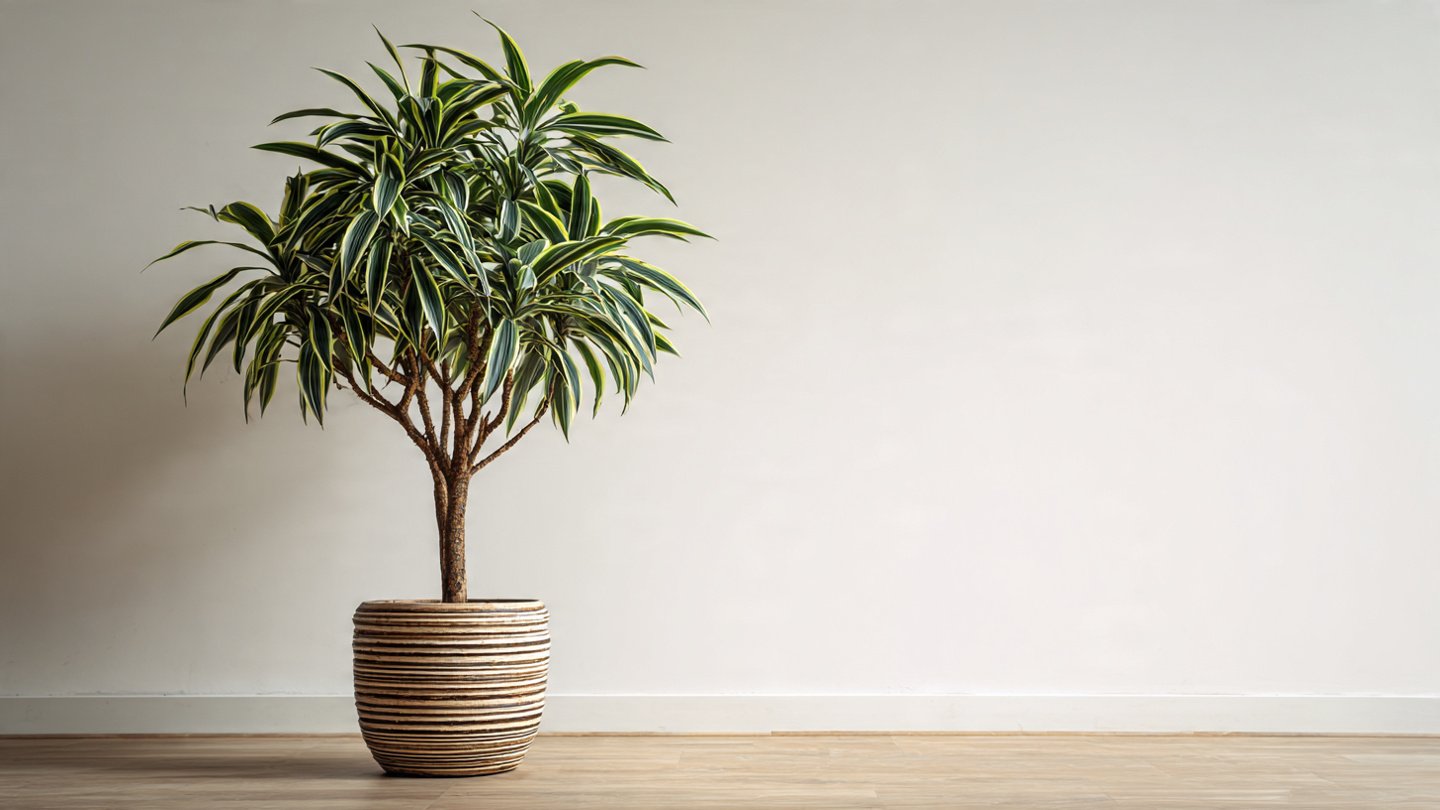
In the world of indoor plants, Dracaena has carved out a niche for itself as the ultimate low-maintenance floor plant. With its striking appearance, adaptability, and resilience, Dracaena stands out among houseplants for both seasoned green thumbs and novices alike. This article explores the various reasons why Dracaena is considered the ideal choice for those looking to add a touch of greenery to their indoor spaces without the hassle of demanding care routines.
1. Hardy Nature
One of the primary reasons Dracaena has gained popularity is its hardy nature. Originating from tropical regions of Africa, the plant has evolved to thrive in various environments, making it robust enough to endure minor neglect. Whether you’re a busy professional, a student, or someone who travels frequently, Dracaena can adapt to different light conditions and watering schedules, making it a perfect floor plant that won’t wilt after a few missed waterings.
2. Minimal Watering Needs
Dracaena plants require infrequent watering, which is a significant factor in their low-maintenance status. Unlike many floor plants that demand consistent moisture, Dracaena prefers to dry out between waterings. This characteristic reduces the risk of overwatering—an all-too-common mistake that gardeners make. A simple guideline is to check the soil: if the top 2-3 inches feel dry, it’s time to water. This user-friendly approach makes Dracaena a perfect choice for indoor environments, where people often forget to monitor their plants regularly.

3. Tolerant of Low Light
Another compelling feature of Dracaena is its ability to thrive in low-light conditions. Many indoor spaces, particularly offices and homes, may not receive plenty of natural sunlight. Unlike other houseplants that may stress or fail in such conditions, Dracaena can adapt effectively. It can survive in indirect light, making it an ideal choice for dim corners, bathrooms, or rooms without windows. Although it thrives in brighter conditions, its flexibility makes it the perfect low-maintenance option for almost any setting.
4. Air Purification Qualities
In addition to its aesthetic appeal and low-maintenance nature, Dracaena offers air purification benefits. Research conducted by NASA has indicated that certain varieties of Dracaena can effectively filter toxins such as formaldehyde, benzene, and trichloroethylene from the air. This quality not only enhances the indoor environment but also adds to the overall appeal of having Dracaena as a floor plant. By investing in these plants, you are not only beautifying your space but also promoting health and well-being.
5. Variety of Forms and Colors
Dracaena comes in several species and varieties, each showcasing unique shapes, sizes, and colors. From the popular Dracaena marginata, with its slender stems and spiky leaves, to the more robust Dracaena fragrans, which boasts broad, green foliage, there’s a perfect Dracaena for every aesthetic preference. This variety means that you can cater to your specific taste while still enjoying the low-maintenance benefits that are characteristic of the species.

6. Pest Resistance
Another noteworthy trait of Dracaena is its natural resistance to many common houseplant pests. Insects such as spider mites and aphids may occasionally bother them, but with basic plant care practices—like regular dusting of leaves and observation—these issues can be easily managed. As a result, Dracaena requires less frequent insect treatments compared to other indoor plants, adding to its appeal as a low-maintenance choice.
7. Easy Propagation
For those looking to expand their plant collection without investing in new purchases, Dracaena provides a fantastic opportunity for propagation. You can easily propagate Dracaena by taking stem cuttings and placing them in water or soil. This simple process allows you to grow new plants while minimizing costs, making Dracaena not only an excellent plant for your own home but also a thoughtful gift for friends and family.
8. Long Lifespan
When you bring a Dracaena into your home, you’re not just making a temporary investment. With the right care, these plants can live many years, adding joy and greenery to your indoor spaces for an extended period. Their longevity further solidifies their status as the ultimate low-maintenance floor plant. Experienced plant owners often find that their Dracaena improves with age, growing taller and more robust as the years go by.

Conclusion
Choosing the right floor plant can significantly impact the ambiance of your living space, especially if you prefer a low-maintenance option. Dracaena encapsulates all the essential characteristics of a great indoor plant: resilience, minimal care requirements, aesthetic versatility, and air-purifying qualities. Whether you’re a plant enthusiast or someone who simply appreciates greenery, Dracaena is a remarkable addition that will enhance your home while requiring minimal effort. Embrace the beauty and ease of caring for Dracaena and enjoy a lush, vibrant indoor environment.
FAQs
1. How often should I water my Dracaena?
Water your Dracaena when the top 2-3 inches of soil feel dry. This typically means watering every 2-4 weeks, depending on humidity and temperature.

2. Can Dracaena survive in low-light conditions?
Yes, Dracaena is highly adaptable and can survive in low-light conditions, making it an ideal choice for rooms with minimal natural light.
3. What should I do if my Dracaena’s leaves turn yellow?
Yellow leaves can indicate overwatering or poor drainage. Ensure that you allow the soil to dry out between waterings and check for proper drainage in the pot.
4. Is Dracaena safe for pets?

While Dracaena is not highly toxic, it can be mildly toxic to pets if ingested. It’s best to keep it out of reach of cats and dogs.
5. How do I propagate a Dracaena?
You can propagate Dracaena by taking stem cuttings and placing them in water or soil. Ensure that the cuttings have a few leaves and are healthy.