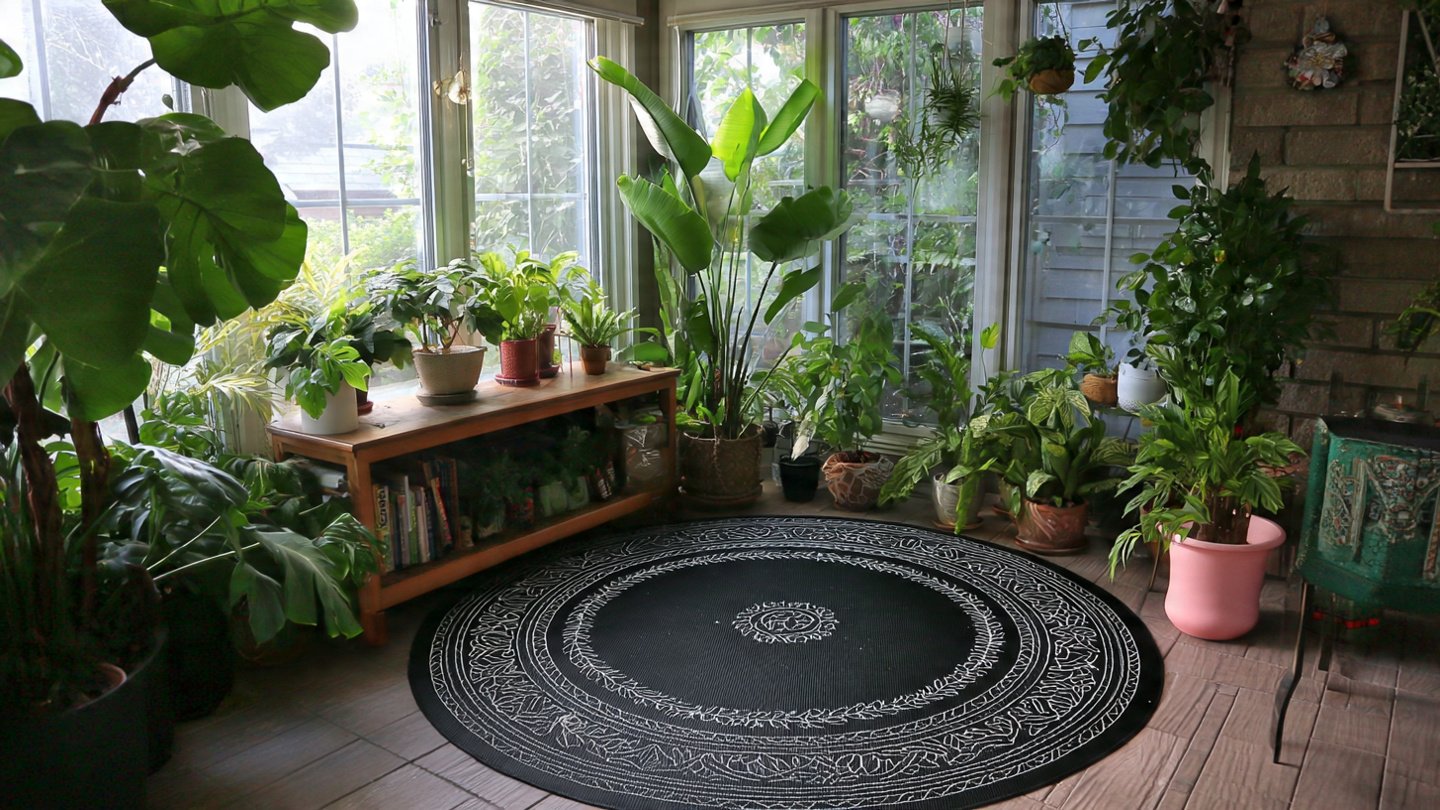
In recent years, home décor trends have shifted towards integrating natural elements with functionality, creating spaces that are both aesthetic and practical. A significant trend that has surfaced is the incorporation of waterproof rugs, particularly in plant corners. As more people embrace indoor gardening, the decision to add a waterproof rug is becoming increasingly popular. But why has this seemingly simple addition captivated homeowners and plant enthusiasts alike? Let’s explore the various reasons behind this trend.
The Rise of Indoor Gardening
Indoor gardening has gained immense popularity due to several factors. With urban living on the rise, many individuals are opting for apartment living, which often lacks outdoor space for gardening. Furthermore, the global pandemic led many people to seek solace in nature, pushing them to fill their homes with greenery. Plants not only improve air quality but also enhance overall well-being. This surge in indoor gardening has naturally led to the need for effective solutions that accommodate plants indoors—hence the rise in the popularity of waterproof rugs.
Practicality and Protection
One of the primary reasons for integrating a waterproof rug into a plant corner is practicality. Plants can often be messy; they shed leaves, soil can spill, and watering can lead to puddles. A waterproof rug provides a protective layer against these potential messes. Here’s how:
1. Mess Control
When watering plants, it’s inevitable that a few drops or spills occur. A waterproof rug acts as a barrier, preventing moisture from seeping through to the floor below. This is especially beneficial for individuals living in rental properties where damage to flooring can lead to hefty charges.
2. Easy Cleanup
Waterproof rugs are designed for easy maintenance. In the event of a spill or soil scattering, cleaning is as simple as a quick wipe down. This ease of maintenance encourages plant owners to care for their plants more diligently and with less worry about potential mess.

3. Floor Protection
Hardwood floors, laminate, and carpets can be seriously damaged by moisture. Waterproof rugs safeguard against mold and mildew development, extending the longevity of your flooring. This protection is especially beneficial in areas with high humidity or for plants that require frequent watering.
Aesthetic Appeal
While functionality is key, the aesthetic component of a waterproof rug cannot be overlooked. These rugs come in various styles, colors, and designs, allowing homeowners to curate their plant corners beautifully. Here’s how they contribute to the overall visual appeal:
1. Enhanced Decor
A thoughtfully chosen waterproof rug can complement the existing décor in a plant corner. It can add texture and color, elevating the overall design of the space. Homeowners can select rugs featuring nature-inspired patterns that harmonize with their greenery, creating a seamless look.
2. Framing the Plants
A waterproof rug can serve as a framing device, drawing the eye to the plants and making them the focal point of the room. This visual delineation helps to create a designated ‘plant corner’ that feels intentional and well-thought-out.
3. Layering Textures

Many plant lovers enjoy layering different textures within their homes. By adding a waterproof rug, individuals can create a rich tapestry of materials—wood from plant stands, ceramic from pots, and fabric from the rug—that enhances the sensory experience of the space.
Versatility of Placement
Waterproof rugs are not solely limited to plant corners; their versatility allows for various placements throughout the home. Here are a few ways they can be utilized:
1. Indoor and Outdoor Use
Many waterproof rugs are suitable for both indoor and outdoor use. This versatility allows homeowners to transition their plant setups with ease. For example, a plant corner indoors can easily transform into a cozy outdoor retreat, fostering an inviting atmosphere for social gatherings or relaxation.
2. Transition Spaces
Waterproof rugs can also be utilized in transition spaces—such as the entryway to a balcony or patio where plants are kept. This offers a smooth transition while also protecting the floors from moisture brought in from the outside.
Eco-Friendly Options
With a rising consciousness regarding sustainability, many manufacturers of waterproof rugs are prioritizing eco-friendly materials. Choosing sustainable options aligns with the ethos of indoor gardening—growing plants responsibly and contributing positively to the environment. Here’s how waterproof rugs fit into this perspective:

1. Recycled Materials
Many contemporary waterproof rugs are made from recycled materials, reducing waste and environmental impact. This conscious choice allows homeowners to invest in decor that aligns with their values regarding sustainability.
2. Durability
Waterproof rugs are typically designed to withstand wear and tear, making them a long-lasting investment. This durability translates into less frequent replacements, contributing to a reduced ecological footprint.
Health Benefits
Beyond their aesthetic and practical advantages, waterproof rugs contribute to healthier living spaces. Plants are known to improve air quality, but combining them with rugs that can be easily cleaned addresses potential health concerns:
1. Dust and Allergens
Indoor plants can help filter dust and allergens from the air, but soil and debris can accumulate over time. A waterproof rug simplifies the cleaning process, ensuring that the plant corner remains a safe haven free from dust mites and other allergens.
2. Mold and Mildew Prevention
As mentioned earlier, waterproof rugs can deter the growth of mold and mildew, particularly in damp corners. This not only protects the plants but keeps the indoor air quality healthier for residents.

Cost-Effectiveness
Investing in a waterproof rug can be financially wise. Here’s how:
1. Long-Term Investment
Due to their durability, waterproof rugs can be seen as a long-term investment. Unlike traditional rugs, they withstand water, stains, and wear, ensuring homeowners don’t need to replace them frequently.
2. Damage Prevention Costs
By protecting flooring from moisture and spills, homeowners can potentially save on costly repairs associated with flooring damage. This preventative measure can provide peace of mind and financial savings in the long run.
Community and Social Trends
With the rise of social media platforms like Instagram and Pinterest, the aesthetics of indoor plant corners have become a trending topic. Homeowners are eager to showcase their creativity and passion for plants, making the addition of a waterproof rug a focal point in these spaces. Here’s how community dynamics play a role:
1. Increased Sharing of Plant Corners

People love sharing their plant corners online, showcasing their unique styles and setups. A well-styled plant corner featuring a waterproof rug attracts attention and can inspire others to consider similar enhancements.
2. Networking and Plant Swaps
Communities focused on indoor gardening often host events, such as plant swaps or workshops. A well-maintained plant corner can entice fellow enthusiasts, fostering connections and encouraging exchanges of tips, plants, and ideas.
Conclusion
As we’ve explored, the trend of adding a waterproof rug to plant corners is driven by a combination of practicality, aesthetics, versatility, and community dynamics. From protecting floors and simplifying cleanup to enhancing the beauty of indoor gardens, these rugs serve multiple purposes.
As the world continues to embrace indoor gardening, the waterproof rug is more than just a home décor item; it’s a practical solution that caters to modern-day living. If you’re looking to elevate your plant corner, consider the benefits of integrating a waterproof rug into the design. It’s a small change that can yield significant improvements in both functionality and style, ensuring your indoor garden flourishes beautifully for years to come.