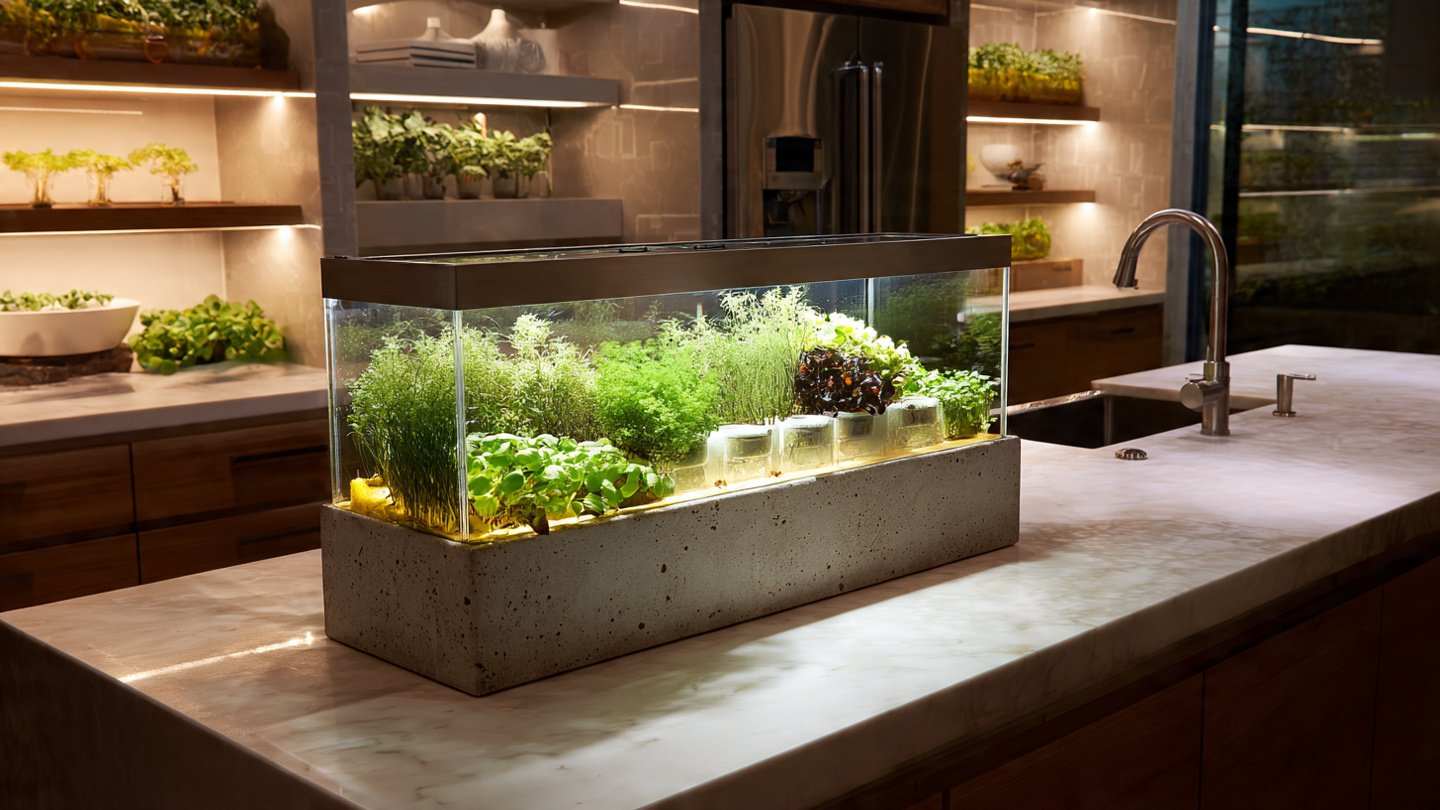
As temperatures drop and snowflakes begin to fall, many home gardeners often feel the pangs of longing for fresh produce. This winter, transform your kitchen into an oasis of health and flavor by creating a microgreen station. Microgreens, the tiny, nutrient-packed seedlings of vegetables and herbs, are not just delicious; they are also incredibly easy to grow indoors. In this article, we’ll explore the numerous reasons why a dedicated microgreen station is a must-have for your kitchen this winter.
1. Freshness at Your Fingertips
One of the standout advantages of having a microgreen station is the sheer freshness of the produce. Microgreens can be harvested just days after germination, providing a source of vitality unparalleled by anything from the grocery store. Some popular varieties include:
- Radish
- Basil
- Pea shoots
- Sunflower
- Cilantro

Having these fresh greens on hand can elevate your dishes, providing both flavor and aesthetic appeal. In winter, when fresh greens are scarce, this microgreen station allows you to harvest and enjoy these nutrients right when you need them.
2. Year-Round Gardening
The winter months can be disheartening for gardeners. With short days and cold weather, many people think indoor gardening is impossible. However, microgreens thrive indoors, requiring minimal space and light. You can easily set up your microgreen station on a kitchen counter, windowsill, or even under grow lights.
This small-scale gardening offers a fantastic way to stay connected to nature during the colder months. It can also help keep your gardening skills intact until the outdoor growing season returns.
3. Nutritional Powerhouse
Microgreens are renowned for their concentrated nutritional content. Most microgreens contain higher levels of vitamins, minerals, and antioxidants compared to their mature counterparts. For example, studies have shown that broccoli microgreens can contain up to 50 times more nutrients than fully grown broccoli!
By incorporating microgreens into your winter diet, you’re not just adding flavor but also enriching your meals with essential nutrients that support overall health. This is especially important during a season when colds and flu circulate more widely.

4. Eco-Friendly Choice
As sustainability becomes a priority for many, microgreens provide an excellent opportunity to reduce your carbon footprint. When you grow your greens at home, you reduce the need for transportation, packaging, and refrigeration that come with store-bought products.
Additionally, microgreens require very little water compared to traditional farming, making them an eco-friendly choice. By cultivating a microgreen station, you contribute to healthier eating habits and a greener planet.
5. Cost-Effective Solution
Buying fresh herbs and greens from the store can quickly add up, especially during winter when prices tend to rise. Establishing a microgreen station is a cost-effective alternative. The initial investment in seeds, soil, and containers is relatively low, and you can continuously harvest from the same batch for weeks.
For a nominal cost, you can produce a near-endless supply of your favorite greens, saving money and preventing waste from spoilage.
6. Culinary Versatility
Microgreens are incredibly versatile and can be used in various dishes and cuisines. You can sprinkle them on salads, incorporate them into sandwiches, add them to smoothies, or even use them as a garnish for soups and entrees. Some creative uses include:

- Pea shoots in stir-fries
- Radish microgreens on tacos
- Basil microgreens in pesto
- Sunflower microgreens in wraps
With this level of versatility, your meals can become more exciting and visually appealing, making your winter cooking a delightful experience.
7. Educational Experience
Setting up a microgreen station can also be an educational experience, particularly for families. It offers a fantastic way to teach children about gardening, nutrition, and the importance of healthy eating. Observing the growth process—from germination to harvest—can instill a sense of responsibility and appreciation for food sources in young minds.
8. Stress Relief

Winter can sometimes bring about feelings of isolation or seasonal affective disorder (SAD). Gardening, even indoors, has been shown to promote mental well-being and reduce stress levels. The act of nurturing plants and watching them grow can provide a rewarding sense of accomplishment and a break from the routine of daily life.
Conclusion
This winter, consider the benefits that a microgreen station can bring to your kitchen. Not only will you enjoy fresh, nutrient-dense greens at your fingertips, but you’ll also contribute to a more sustainable lifestyle while deepening your connection to food production and wellness. The simplicity of growing microgreens makes them accessible for everyone, regardless of how much space or experience you have. Embrace this opportunity to enhance your cooking, celebrate fresh produce, and uplift your winter routine with the vibrant flavors and colors of microgreens.
FAQs
1. What supplies do I need to start a microgreen station?
To start a microgreen station, you’ll need seeds (specific for microgreens), a growing medium (like soil or coconut coir), shallow trays, and adequate light (natural sunlight or grow lights).
2. How long does it take for microgreens to grow?
Microgreens typically take between 7 to 21 days to grow, depending on the variety. Most can be harvested within two weeks.

3. Can I grow microgreens without natural light?
Yes! You can use grow lights to provide the necessary light for your microgreens. Ensure that they receive about 12-16 hours of light each day for optimal growth.
4. Are microgreens safe to eat?
Yes, microgreens are safe to eat and are often richer in nutrients than their mature counterparts. Just make sure to wash them thoroughly before consumption.
5. How can I incorporate microgreens into my meals?
Microgreens can be added to salads, smoothies, sandwiches, and soups. They are also excellent garnishes for a wide range of dishes.