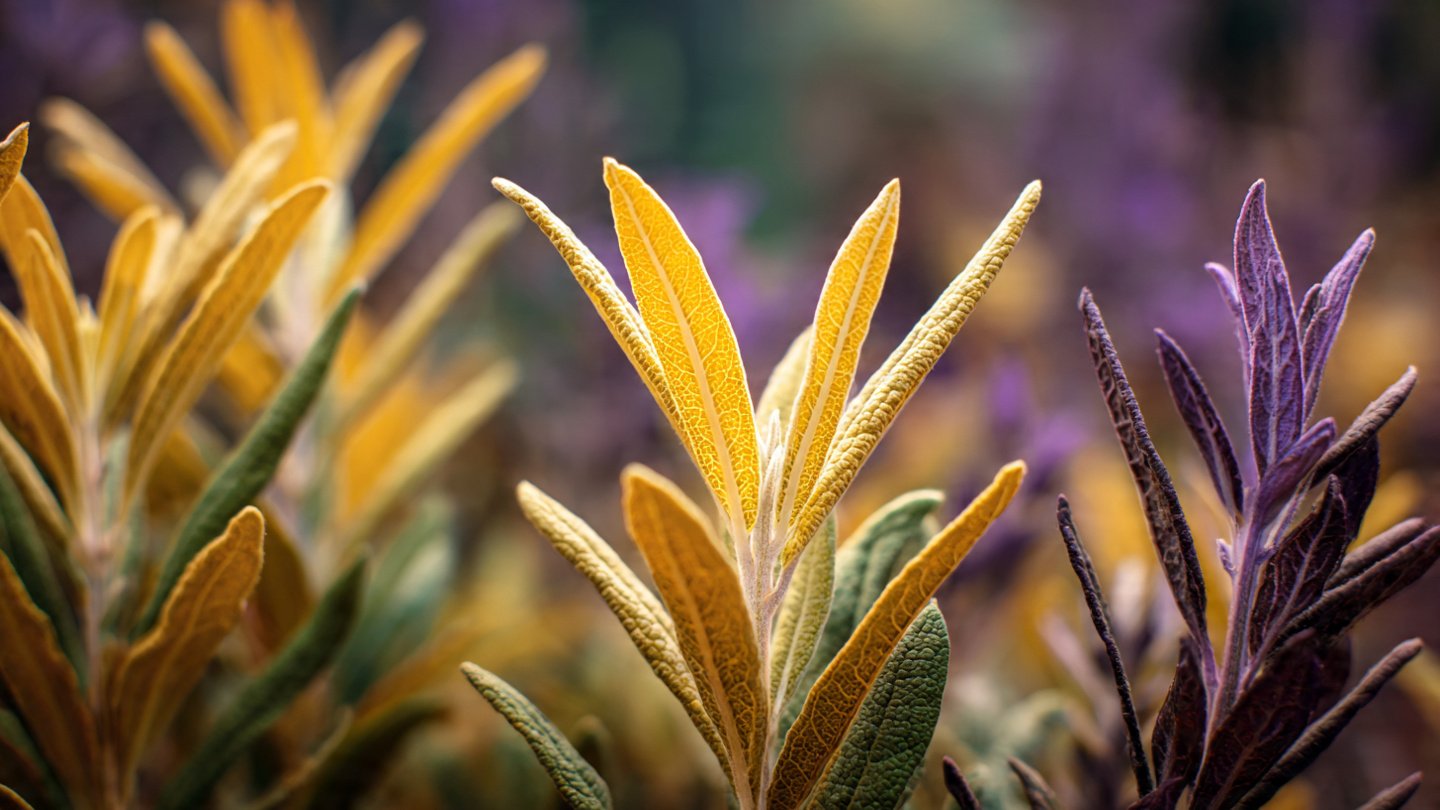
Lavender is a beloved herb known for its aromatic scent, vibrant purple flowers, and numerous health benefits. However, noticing that your lavender leaves are turning yellow, especially from the bottom, can be concerning. This article will explore the possible reasons behind this phenomenon and provide solutions to ensure your lavender stays healthy and vibrant.
Understanding Lavender’s Growth Requirements
Lavender is a hardy plant that thrives in well-drained soil, plenty of sunlight, and moderate watering. Understanding its growth requirements is crucial for preventing issues like yellowing leaves. Let’s delve into some common causes for this concerning change in color.
Common Causes of Yellowing Lavender Leaves
1. Overwatering
One of the most common reasons lavender leaves turn yellow is overwatering. Lavender prefers dry conditions and is susceptible to root rot if its roots sit in water for too long. Signs of overwatering include:
- Wilting leaves despite wet soil.
- Soft or mushy stems.
- Yellowing leaves that eventually fall off.

To remedy this, ensure that your pot has adequate drainage and allow the soil to dry out between waterings.
2. Poor Drainage
Poor drainage can lead to waterlogged soil, which will cause root issues. Always select a pot with good drainage holes and consider using a potting mix specifically designed for herbs or a combination of sand and regular potting soil to improve drainage.
3. Nutrient Deficiency
Lavender requires specific nutrients to thrive. A nitrogen deficiency can cause the older leaves to turn yellow. Monitor the soil’s nutrient levels and consider fertilizing with a balanced, slow-release fertilizer that suits lavender.

4. Pests and Diseases
Pests such as aphids or whiteflies can affect lavender plants, leading to yellowing leaves. Inspect your plants regularly for pests and use insecticidal soap or neem oil to treat any infestation. Additionally, fungal infections can also cause yellowing. Rotating your plants and ensuring proper air circulation can help prevent fungal diseases.
5. Environmental Stress
Lavender is sensitive to environmental stress. Sudden changes in temperature, exposure to frost, or inadequate sunlight can cause the plant to react negatively. Ensure your lavender receives at least 6–8 hours of sunlight daily and protect it from extreme weather.
When to Seek Professional Help
If your lavender continues to deteriorate despite addressing these common issues, it may be time to consult a professional gardener or a local extension service. They can help you assess whether there are any underlying issues not immediately apparent.
Preventive Measures for Healthy Lavender
In addition to addressing existing issues, incorporating preventive measures can help keep your lavender healthy:

- Proper Watering Techniques: Water only when the top inch of the soil is dry.
- Choose the Right Soil: Use well-drained, sandy soil for your lavender.
- Regular Pruning: Trim your lavender plants to encourage new growth and remove dead or yellowing leaves.
- Fertilization: Use a low-nitrogen fertilizer during the growing season to encourage healthy growth.
- Watch for Pests: Regularly inspect your plants for pests and treat them early.
Conclusion
Yellowing leaves in lavender can be a sign of various issues ranging from overwatering to pest infestations. Understanding the causes allows you to take appropriate action to restore your plant’s health. By following proper care techniques, you can ensure your lavender remains a beautiful part of your garden or home landscape.

FAQs
Q: How often should I water my lavender?
A: Water your lavender only when the top inch of soil is dry. Generally, once every 2-3 weeks is sufficient, but this can vary based on climate and potting conditions.
Q: Can I grow lavender indoors?
A: Yes, lavender can be grown indoors provided it receives plenty of sunlight. Ensure the pot has proper drainage and use a well-draining potting mix.
Q: What type of fertilizer is best for lavender?
A: Use a balanced, slow-release fertilizer low in nitrogen. Consider a fertilizer designed specifically for herbs.

Q: What pests should I watch out for?
A: Look for common pests like aphids, whiteflies, and spider mites. Regular inspection can help catch infestations early.
Q: How can I prevent my lavender from getting diseases?
A: Ensure good air circulation, avoid overhead watering, and use resistant varieties when possible. Healthy plants are less likely to succumb to disease.