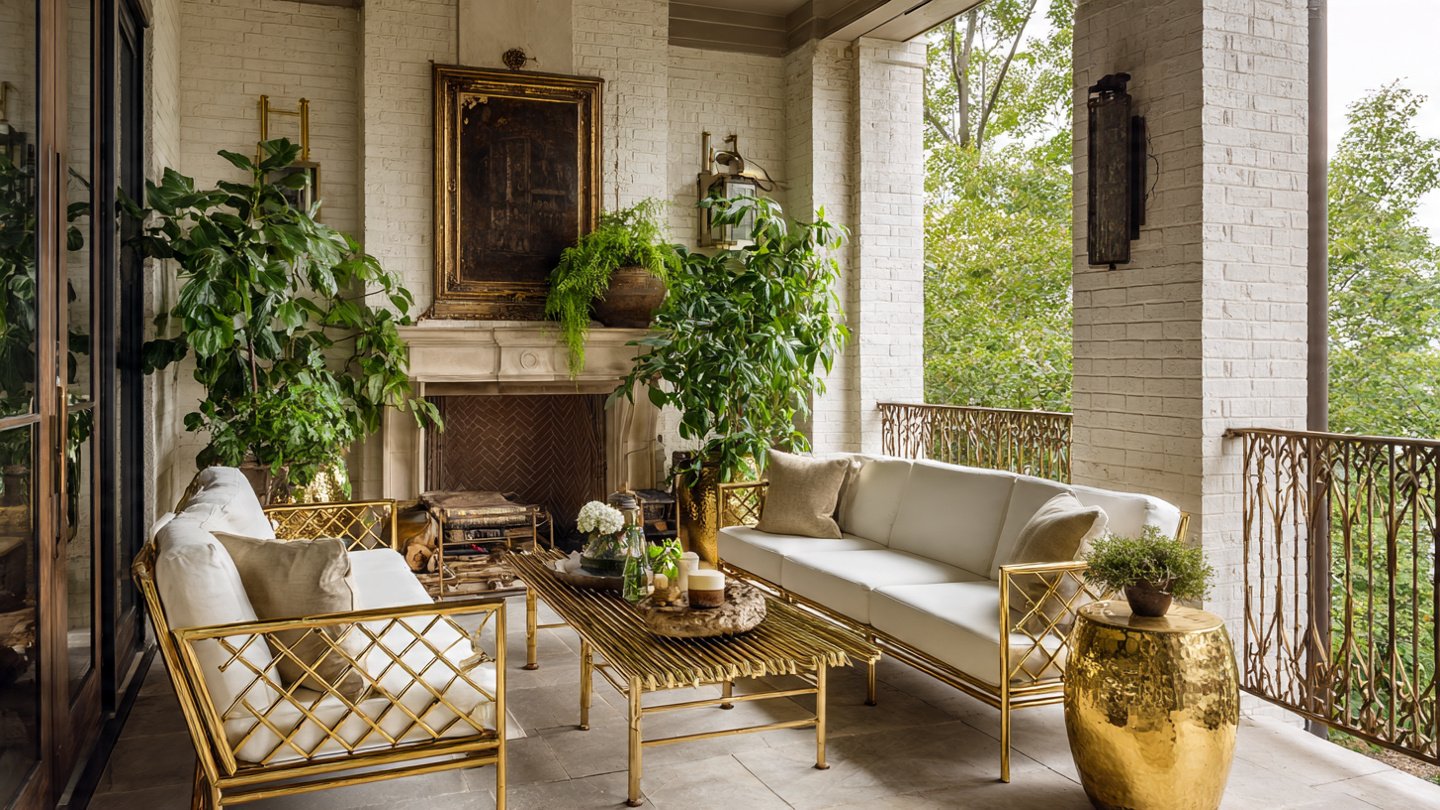
In recent years, interior designers have taken a profound interest in the use of unlacquered brass in outdoor spaces. This fascination isn’t merely a trend; it’s a movement rooted in the material’s unique qualities that fuse aesthetic appeal, functionality, and a sense of connection to nature. Understanding this fascination involves diving into the properties of unlacquered brass, its historical significance, and the modern design principles that elevate its status in outdoor design.
The Allure of Unlacquered Brass
Unlacquered brass is prized for its warm, golden hue that evolves over time, developing a rich patina. This natural aging process allows the material to blend seamlessly into various environments. Unlike other metallic finishes that may appear overly polished or artificial, unlacquered brass provides an organic touch, making it especially appealing for outdoor areas that are subject to changing light conditions and natural elements.
1. Aesthetic Versatility
The aesthetic versatility of unlacquered brass makes it an attractive choice for various design styles. Whether used in a contemporary garden, a rustic patio, or an elegantly designed terrace, it can complement almost any aesthetic. It acts as a neutral backdrop that lets surrounding flora and furniture shine, while also introducing a sophisticated luster. Designers appreciate this dual functionality—a foundational element that enhances the beauty of associated components.
2. Connection to Nature
Outdoor spaces are inherently tied to nature, and designers often look for materials that reflect this connection. Unlacquered brass, with its evolutionary patina, establishes a tangible relationship with the outdoor environment. As it ages, brass takes on a character reflective of its surroundings, contributing to the overall design narrative. This attribute aligns perfectly with the trend of biophilic design, which encourages a meaningful relationship between people and nature.

The Benefits of Unlacquered Brass in Outdoor Design
Beyond aesthetics, the practical benefits confer significant advantages to the use of unlacquered brass in outdoor setups.
1. Durability and Strength
Unlacquered brass is highly durable and resists corrosion, making it suitable for outdoor applications. Its strength ensures it can withstand harsh weather conditions, including rain, wind, and UV exposure. Unlike painted metals, brass maintains its integrity over time, becoming a long-lasting choice for outdoor furniture, light fixtures, and decorative elements.
2. Minimal Maintenance
While some materials require stringent upkeep, unlacquered brass has minimal maintenance needs. It naturally develops a patina that can be embraced as part of its charm. For those who prefer a polished look, a gentle cleaning can restore its original shine without the concern of damaging a lacquer finish.
3. Eco-Friendly Choice
In an age where sustainability is a primary concern, unlacquered brass presents an eco-friendly option. It is recyclable and has a lifespan that often exceeds that of other materials. By choosing unlacquered brass, designers can contribute to reducing waste in the design industry, a principle that aligns with contemporary values.

Design Applications of Unlacquered Brass
Interior designers are employing unlacquered brass in diverse ways that showcase its ability to elevate outdoor aesthetics.
1. Lighting Fixtures
Outdoor lighting plays a critical role in setting a mood and enhancing safety. Unlacquered brass lighting fixtures provide a warm glow and attractive visual appeal, particularly as day transitions to night. The material’s reflective properties create enchanting lighting patterns while blending harmoniously with natural surroundings.
2. Hardware Accents
Designers often use unlacquered brass for hardware—such as door handles, cabinet knobs, and latches—particularly in outdoor kitchens or garden sheds. This small yet impactful application can seamlessly connect different design elements and elevate functionality.
3. Furniture Details
In outdoor furniture, unlacquered brass can be integrated as inlays, frames, or decorative accents. These details add a layer of sophistication and create focal points that draw the eye. The combination of comfortable materials with warm brass details enhances the overall inviting atmosphere of outdoor spaces.

The Cultural and Historical Significance of Brass
Understanding the cultural and historical roles of brass adds depth to its current application in design. Brass has been used for centuries in various cultures, honored for its beauty, malleability, and acoustic properties. Its association with craftsmanship and artistry resonates with designers interested in creating spaces that tell a story.
The shift to a more sustainable approach in design stems partially from a broader reevaluation of historical practices, where quality and durability were prioritized over fleeting trends. As interior designers embrace unlacquered brass, they simultaneously pay homage to traditional craftsmanship while reinventing its application in contemporary contexts.
Embracing Change: The Future of Unlacquered Brass in Outdoor Spaces
The interior design landscape continuously evolves, and with it, the materials that define it. As designers seek to create more meaningful connections to nature, unlacquered brass appears poised to remain a steadfast choice in outdoor design. Its versatility, beauty, and alignment with sustainable practices ensure its relevance in future projects.
Conclusion
The allure of unlacquered brass in outdoor design transcends mere aesthetics; it embodies a deeper connection to nature and a commitment to quality and sustainability. As designers continue to explore innovative ways to merge indoor and outdoor spaces, unlacquered brass will likely remain at the forefront of design choices, captivating both professionals and homeowners alike. Its ability to age gracefully, adapt to various styles, and resonate with the natural environment solidifies its status as a timeless choice in outdoor spaces.
FAQs

What is unlacquered brass?
Unlacquered brass is a metal alloy made primarily of copper and zinc, left without a protective lacquer coating. This allows the brass to oxidize and develop a patina over time.
How do I maintain unlacquered brass?
Unlacquered brass requires minimal maintenance. You can clean it with mild soap and water or a brass cleaner, but many prefer to allow it to age naturally and embrace the patina.
Is unlacquered brass suitable for outdoor use?
Yes, unlacquered brass is highly durable and resistant to corrosion, making it an excellent choice for outdoor spaces.

Can unlacquered brass be used in all design styles?
Absolutely! Unlacquered brass offers a versatile aesthetic that works well in traditional, modern, eclectic, and rustic designs.
What are the environmental benefits of using unlacquered brass?
Unlacquered brass is recyclable and often lasts longer than other materials, reducing waste and aligning with sustainable design practices.