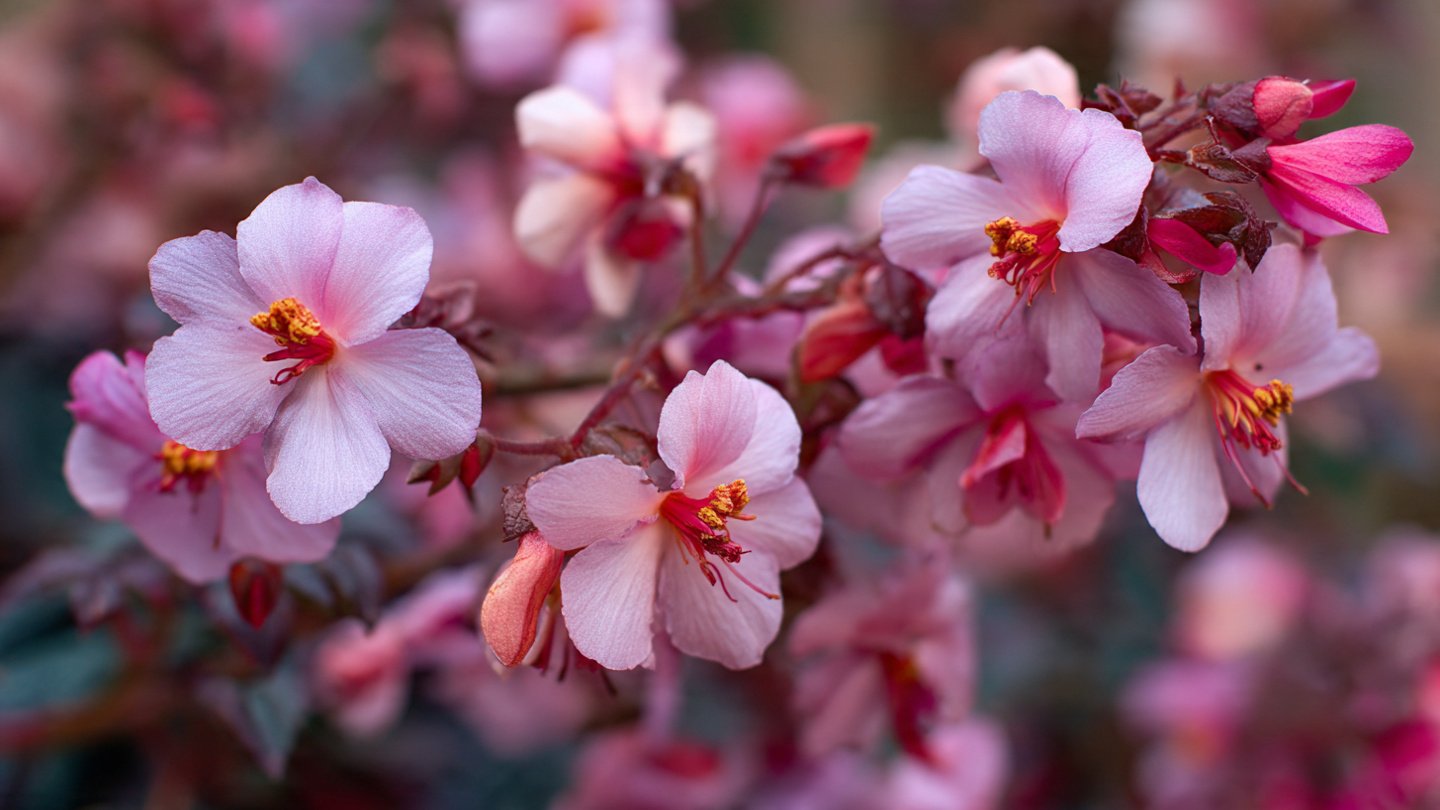
Creating a meditation garden is a nurturing way to enhance your spiritual practice and promote overall well-being. One of the most effective ways to cultivate a peaceful atmosphere is through the selection of flowers. Certain blooms are known not only for their beauty but also for their calming and healing properties. In this article, we will explore various flowers that can enrich your meditation space, fostering a deeper connection with nature and enhancing your meditation experience.
Key Attributes of Healing Flowers
When selecting flowers for your meditation garden, consider the following aspects:
- Aromatic qualities: Fragrant flowers can elevate your mood and help you relax.
- Color psychology: Colors can significantly influence emotions; softer colors promote calmness.
- Symbolism: Many flowers carry meanings that can resonate with your personal meditation goals.
Top Healing Flowers for Your Meditation Garden
1. Lavender
Lavender is renowned for its calming scent, which can reduce anxiety and stress. Its fragrant purple blooms not only enhance the beauty of your garden but also draw beneficial insects like bees and butterflies. Incorporating lavender promotes tranquility, making it an ideal choice for meditation.

2. Chamomile
Chamomile is often used in herbal teas for its soothing properties. Its small, delicate white flowers with yellow centers can be an excellent addition to your meditation space, encouraging relaxation and peace. Additionally, the gentle scent of chamomile can help foster a sense of calm during meditation.
3. Jasmine
Jasmine is celebrated for its strong, sweet fragrance that can uplift the spirit and create a serene atmosphere. Known for its healing properties, jasmine can enhance emotional wellness and promote feelings of happiness and contentment. Whether planted or used in essential oils, jasmine can aid in deepening your meditation practice.
4. Sunflower
Sunflowers symbolize positivity and warmth. Their bright yellow petals bring joy and can help foster positive energy in your meditation garden. Sunflowers can also help improve your mood and encourage feelings of gratitude and happiness, making them a wonderful addition to your sanctuary.
5. Calendula
Known for its healing properties for the skin, calendula’s vibrant orange flowers symbolize warmth and comfort. This flower is often associated with the sun, and its cheerful appearance can lift spirits. Incorporating calendula in your garden not only beautifies the space but also taps into its healing potential.

6. Rosemary
Though primarily known as an herb, rosemary also produces small, fragrant flowers. This plant has been shown to enhance memory and promote clarity. The invigorating scent can help you focus, making it a valuable addition to a meditation space focused on mindfulness and concentration.
7. Passionflower
Passionflower is another exceptional choice for those seeking mental clarity and relaxation. The beautiful blooms symbolize peace of mind and are known for their calming effects. Cultivating passionflowers in your garden can enhance your ability to meditate and connect with your inner self.
Arranging Your Meditation Garden
When planning your meditation garden, consider not only the flowers but also the layout and arrangement. Here are some tips to create an inviting and tranquil atmosphere:
- Pathways: Designate calm pathways made from gravel or stones to gently guide you around your garden space.
- Seating area: Include a comfortable seat or mat for meditation that allows you to connect with nature.
- Water features: If space permits, incorporate a small water feature. The sound of flowing water can be soothing during meditation.
- Layering plants: Plant taller flowers in the back and shorter ones in the front to create depth and interest.

Caring for Your Meditation Garden
A meditation garden should be a sustainable and healthy space. Regular maintenance will ensure that your chosen flowers thrive. Here are some care tips:
- Watering: Ensure your flowers receive adequate water—especially during dry spells—but avoid overwatering.
- Weeding: Regularly check for weeds that may compete with your flowers for nutrients and space.
- Sunlight: Make sure your selected flowers receive the right amount of sunlight according to their specific needs.
- Fertilizing: Use organic fertilizers to promote healthy growth and blooms.
Conclusion
Creating a meditation garden filled with healing flowers is a beautiful way to enhance your practice and promote well-being. By choosing flowers like lavender, chamomile, jasmine, and sunflowers, you can cultivate an environment that nurtures peace, clarity, and emotional wellness. Invest time into arranging and caring for your garden to make it a sanctuary for reflection and meditation.
As you design your space, remember that the journey of creating a meditation garden is as important as the destination. Allow the flowers to inspire, heal, and uplift you, and enjoy the profound connection with nature that comes as a result.

FAQs
1. What flowers should I avoid in my meditation garden?
Avoid flowers that may be considered aggressive or invasive, as they can take over your garden space. It’s also best to steer clear of brightly colored flowers with strong fragrances, like some hybrids, which may be overwhelming.
2. How long does it take for the flowers to bloom?
The time for flowers to bloom varies based on the type of flower, the season, and the conditions of your garden. Typically, annual flowers will bloom within a few months after planting, while perennials may take longer, often blooming the following season.
3. Can I create an indoor meditation garden?
Absolutely! Many of the flowers listed can be kept indoors as houseplants. Ensure they receive adequate sunlight and care to thrive within your home environment.

4. How can I enhance the aromatherapy aspect of my garden?
In addition to the flowers, consider adding herbs like mint or basil, known for their aromatic properties. Essential oil diffusers or scented candles can also amplify the sensory experience of your meditation space.
5. Can I incorporate vegetables or herbs into my meditation garden?
Yes! Incorporating vegetables and herbs can promote a sense of abundance and vitality, enhancing the therapeutic qualities of your garden. Just make sure they are arranged harmoniously with your flowers.