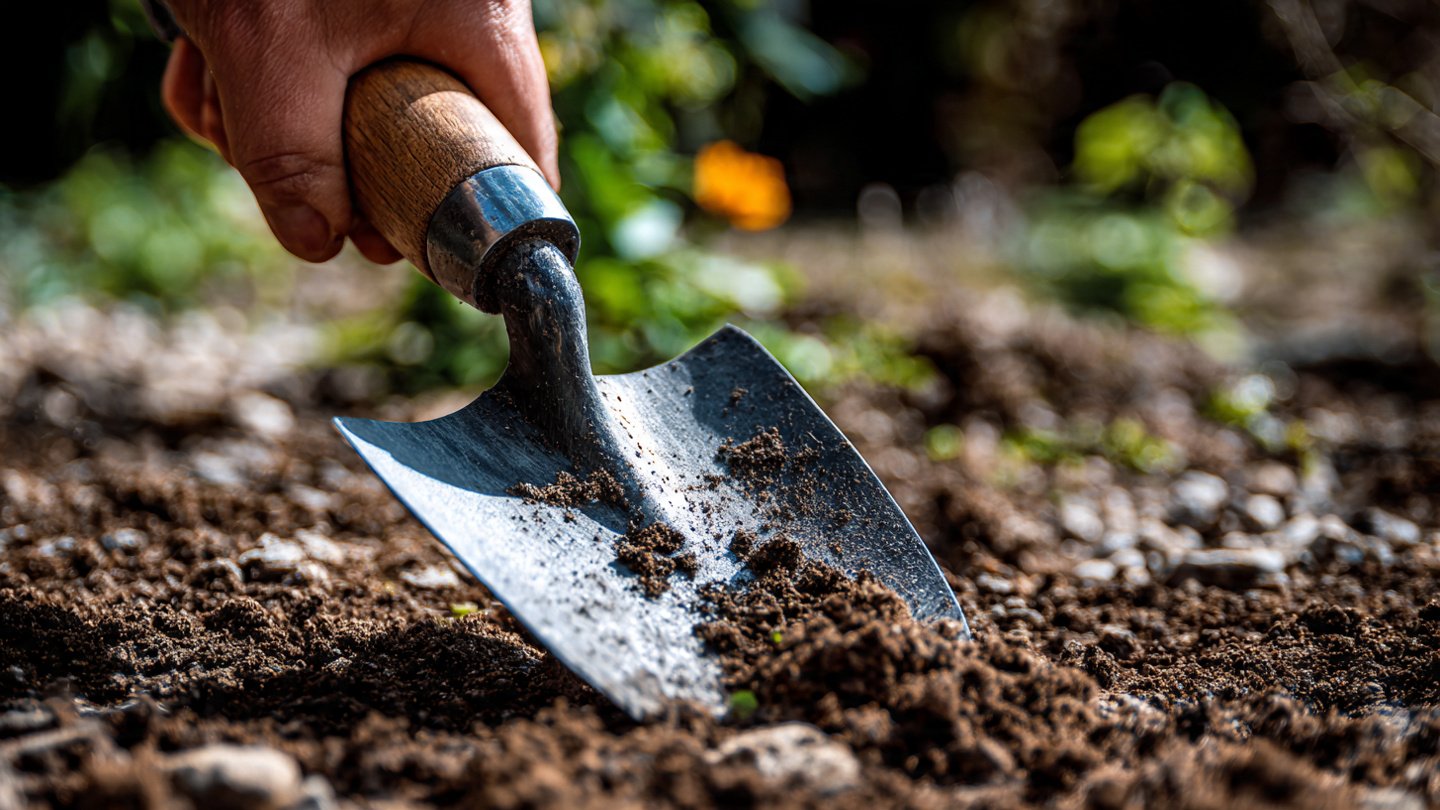
Garden trowels are essential hand tools found in the kit of any avid gardener or landscaping enthusiast. Often overlooked in favor of larger tools like shovels and spades, the garden trowel serves a multitude of purposes, particularly when it comes to digging tasks. This article will explore the advantages of using a garden trowel for digging, highlighting its efficiency, versatility, ease of use, and eco-friendliness.
The Basics of a Garden Trowel
A garden trowel is a small handheld tool featuring a pointed, scoop-shaped metal blade and a handle, typically made of wood or plastic. It’s designed for various tasks such as digging, planting, and transferring soil and small plants. While its size might suggest limited capabilities, many gardeners find its benefits outweigh those of larger digging tools.
1. Precision Digging
One of the standout features of a garden trowel is its ability to offer precision when digging. The narrow blade allows gardeners to:
- Dig narrow holes for planting bulbs or seedlings.
- Remove weeds effectively without disturbing neighboring plants.
- Create defined edges in flower beds and garden borders.
This level of precision is particularly advantageous for urban gardeners with limited space or for those working in decorative gardens that require intricate design elements.
2. Lightweight and Easy to Handle

Another remarkable advantage of garden trowels lies in their lightweight nature. Unlike shovels, which can become cumbersome and tiring, trowels are easy to handle. This feature enhances their functionality in several ways:
- Reducing hand fatigue, which allows for longer work sessions.
- Making them accessible to individuals of various fitness levels or ages.
- Enabling quick and efficient movement, especially in tight spaces.
The ergonomic designs of many trowels further support comfortable gripping, minimizing strain on the wrist.
3. Versatility in Use
Garden trowels aren’t just limited to digging; their utility extends into several fields, enhancing their value in the garden:
- Planting: Ideal for transferring young plants into the ground.
- Weeding: Effective for prying out both shallow-rooted and deep-rooted weeds.
- Mixing: Useful for mixing soil amendments, compost, or fertilizers.
This versatility means fewer tools are needed in your gardening kit, providing a more streamlined approach to gardening tasks.

4. Garden Trowels Are Ideal for Container Gardening
In container gardening scenarios, the use of a trowel becomes even more valuable. The compact size and design fit perfectly in pots and small containers, allowing for tasks such as:
- Efficiently digging soil within tight confines.
- Potting up plants without disturbing nearby pots.
- Transplanting seedlings with minimal root disturbance.
This capability ensures that gardeners can manage their container gardens effectively, especially in urban settings where space is often at a premium.
5. Eco-Friendly Practice
Using a garden trowel is an environmentally friendly choice for many reasons:
- Manual tools like trowels don’t consume energy, unlike power tools, reducing carbon footprints.
- They encourage physical activity, promoting health and wellness.
- Gardening with hand tools fosters a stronger connection to nature.

Choosing a garden trowel over heavier machinery means engaging in a more sustainable gardening practice, respecting the environment while tending to plants.
6. Cultivating Soil Health
Garden trowels contribute to the health of the soil in subtle yet significant ways:
- Less disturbance to soil structure compared to larger tools, which can compact the soil.
- Facilitating aeration when digging shallow holes or amendments into the earth.
- Promoting healthy microbial activity by minimizing disruption.
This gentle approach to soil cultivation encourages healthier plants and overall garden vitality.
7. Cost-Effectiveness
Another considerable advantage of garden trowels is their affordability. When compared to larger gardening tools, trowels come at a modest price:
- Due to their lightweight nature and simplicity, they often require less maintenance.
- They can be easily replaced if damaged, making them affordable in the long run.
- Many brands offer durable trowels that can last years, providing excellent value for money.

A garden trowel is a worthy investment for both novice gardeners and seasoned professionals alike.
Conclusion
In conclusion, the garden trowel is an underrated tool that offers a surprising array of advantages for digging and gardening in general. From its precision and lightweight design to its versatility and eco-friendly benefits, it has cemented its place as an indispensable tool in any gardener’s toolkit. Whether you are planting seeds, transplanting seedlings, or weeding, the garden trowel proves to be a reliable companion that enhances the gardening experience. Embracing this humble tool not only boosts garden productivity but also fosters a deeper connection with the art of gardening.
FAQs
1. Can a garden trowel be used for larger digging tasks?
While garden trowels are designed for smaller, precision tasks, they can handle tasks like digging smaller holes and removing shallow-rooted weeds, but for larger excavations, a shovel or spade may be more efficient.
2. How do I maintain my garden trowel?
To maintain your garden trowel, clean it after every use to remove soil and debris. Dry it thoroughly to prevent rust, and sharpen the blade regularly to ensure efficiency.
3. Are there different types of garden trowels?

Yes, garden trowels come in various shapes and sizes, including pointed and rounded blades, ergonomic handles, and different materials to suit different gardening tasks.
4. Can I use a garden trowel for mixing soil or compost?
Absolutely! The sturdy design of a garden trowel allows for effective mixing of soil, compost, and other amendments, making it a versatile tool for various gardening tasks.
5. What materials are garden trowels typically made from?
Garden trowels are usually made from stainless steel, carbon steel, or aluminum for the blade, with handles made from wood, plastic, or rubber for comfort and grip.