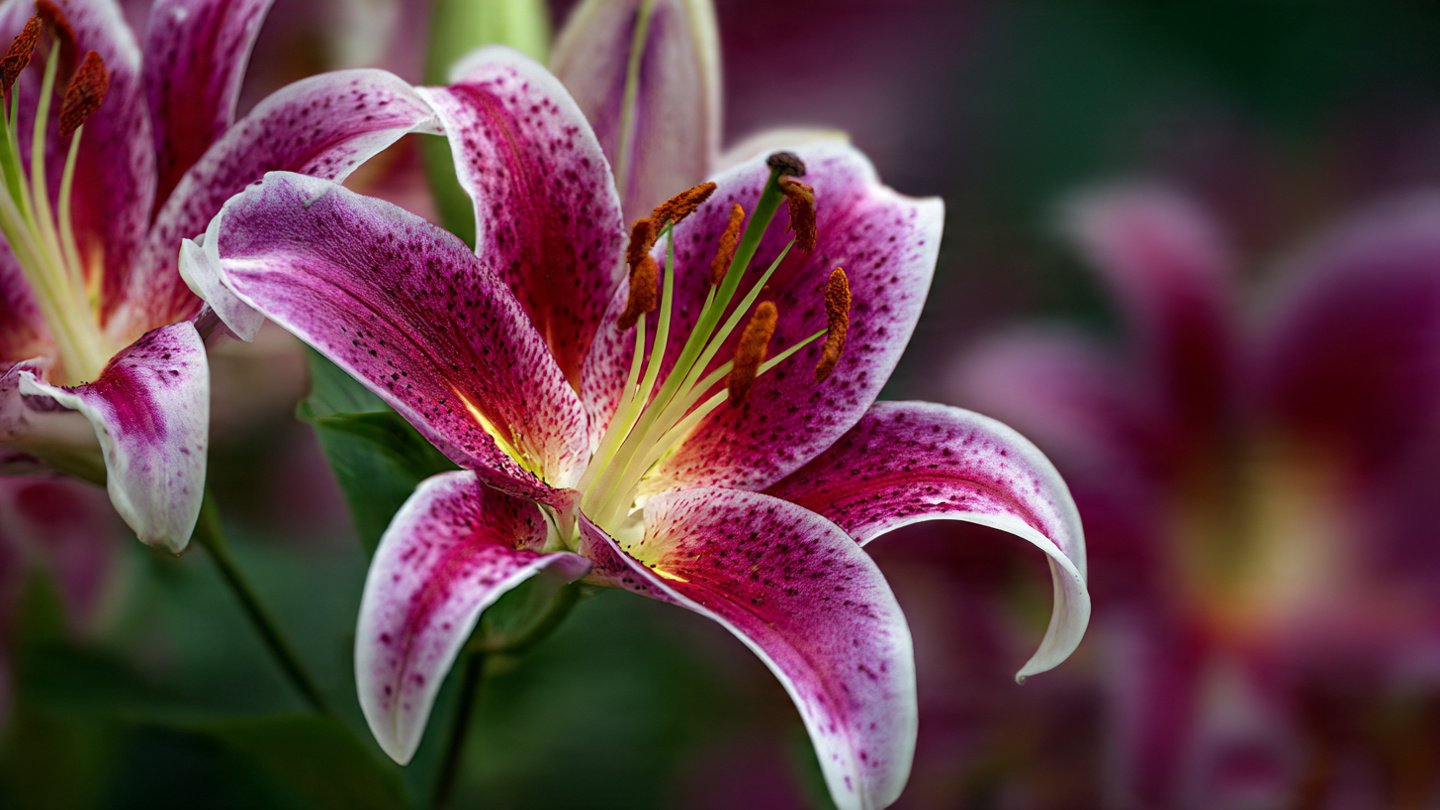
Flowers are not just beautiful structures that adorn our gardens; they are complex organisms with fascinating biochemical capabilities. Among their many secrets, one of the most intriguing is their ability to change scent. This capability influences pollinator attraction, environmental responses, and even plant communication. Understanding the mechanisms behind these changing fragrances can offer insights into evolutionary adaptations and ecological interactions.
The Composition of Floral Scents
Floral scents are primarily composed of volatile organic compounds (VOCs), which are responsible for the unique aromas we associate with different flowers. The composition of these scents can vary greatly between species and even within the same species under different environmental conditions. Factors that influence floral scent composition include:
- Genetics: The genetic makeup of a flower can determine the types and amounts of VOCs it produces. Different species have evolved distinct genetic pathways to create unique scents.
- Environmental Factors: Temperature, humidity, and soil composition can all affect scent production. For example, warmer temperatures may increase the volatility of certain compounds, intensifying the scent.
- Developmental Stage: As flowers mature, their scent profiles often change. Buds may emit different compounds compared to fully open flowers.

The Role of Pollinators
Pollinators are crucial for the reproduction of many flowering plants. Flowers have evolved to attract specific pollinators by adapting their scents. A flower may change its scent profile based on the presence or absence of specific pollinator species, enhancing the likelihood of successful pollination. For instance:
- Some flowers can release sweeter fragrances to attract bees when they detect the presence of these insects nearby.
- Other species may emit pungent or musky odors to draw in nocturnal pollinators like moths in the evening.
Mechanisms of Scent Change
The mechanisms behind scent change are complex and involve various biochemical processes. Key players in these processes include:
1. Enzyme Activity

Enzymes play a significant role in the biosynthesis of volatile compounds. Different environmental triggers can activate or inhibit specific enzymes, leading to a change in VOC production. For instance, the enzyme lipoxygenase, which is involved in the production of floral volatiles, can be influenced by light conditions.
2. Gene Expression
Flowers can adjust their scent by activating or suppressing certain genes responsible for the synthesis of VOCs. The interaction of various signaling pathways, influenced by environmental stressors or pollinator presence, can lead to alterations in gene expression that directly affect scent production.
3. Stress Responses
Plants often respond to stressors such as drought or pest attacks by altering their scent profiles. A flower may emit different VOCs as a stress response, which can deter herbivores and attract natural enemies of those pests. This adaptive strategy not only helps the flower survive but also communicates its condition to surrounding organisms.
The Impact of Climate Change
As climate change alters conditions around the globe, flowering plants are affected in various ways, including how they produce and change their scents. Changes in temperature and atmospheric CO2 levels can reshape VOC production, leading to potentially significant ecological consequences.

For example, a warmer climate might lead to more intense or different scents as plants adapt to changing pollinator behaviors. The mismatch between plant emissions and pollinator preferences may disrupt existing ecosystems, impacting both plants and their pollinators.
Implications for Human Uses
The ability of flowers to change their scents has important implications for various industries. Floriculture, perfumery, and even agricultural practices can benefit from understanding the mechanisms of scent change. For instance:
- In perfumery, capturing the evolving scent profile of flowers can lead to more nuanced and appealing fragrances.
- In agriculture, recognizing how crops adjust their scent in response to pests can help in developing more sustainable pest management strategies.
Conclusion

The secrets held within flowers regarding their scent-changing abilities are a testament to nature’s complexity and adaptability. Through sophisticated biochemical processes, genetic expressions, and environmental interactions, flowers can modify their fragrances to attract pollinators, respond to environmental stress, and convey important information about their health and readiness for pollination. As we advance our understanding of these mechanisms, we unlock new possibilities not only for ecological conservation but also for industries that rely on these stunning natural products.
FAQs
1. Why do flowers change their scent?
Flowers change their scent primarily to attract specific pollinators, respond to environmental stresses, and communicate their health and reproductive status.
2. What are volatile organic compounds (VOCs)?
VOCs are organic chemicals that can easily become vapors or gases. In the context of flowers, they are the primary components responsible for floral scents.
3. How does climate change affect floral scents?

Climate change can alter the production of VOCs in flowers, potentially disrupting their relationships with pollinators and affecting ecological balances.
4. Can scent changes impact agricultural practices?
Yes, understanding how plants change their scents can inform pest management strategies and help improve crop health and yield.
5. How do flowers communicate using scent?
Flowers can communicate their health and readiness for pollination through specific scents, which can signal to pollinators that they are a viable source of nectar and pollen.