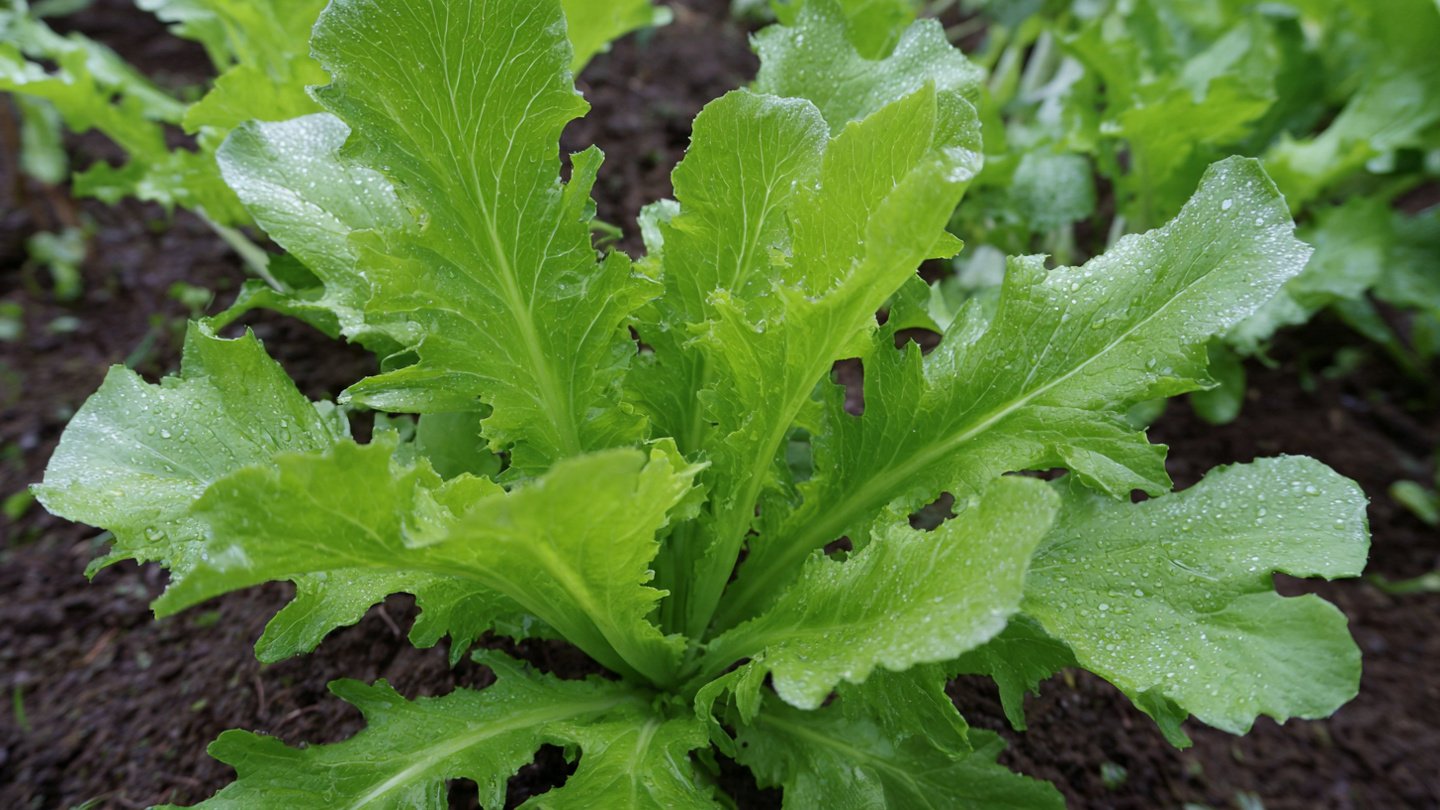
Mizuna, also known as Japanese mustard greens, is a leafy green vegetable gaining popularity in gardens and kitchens worldwide. Known for its peppery flavor and feathery leaves, mizuna adds a fresh and vibrant touch to salads. To achieve a big and luscious harvest, gardeners must pay attention to several critical factors, including soil health, sunlight, watering, and pest management. In this article, we will explore what it takes to cultivate mizuna that delights your taste buds and enhances your salads.
1. Understanding Mizuna
Mizuna belongs to the Brassica family, which includes other greens like kale and spinach. This cool-season crop thrives in climates with mild temperatures and can be harvested multiple times throughout its growing season. The distinctive serrated leaves of mizuna provide a unique texture, making it an excellent candidate for raw salads and cooked dishes alike.
2. Soil Preparation
To grow big and luscious mizuna, start with well-prepared soil. The right soil composition is crucial for providing the necessary nutrients and ensuring proper drainage. Here are key factors to consider:
- Soil Type: Mizuna prefers loamy soil that balances clay, silt, and sand. This mix ensures good drainage and nutrient retention.
- pH Level: Test your soil pH to ensure it falls between 6.0 and 7.0. Most leafy greens, including mizuna, thrive in this range.
- Nutrient Enrichment: Enrich your soil with organic compost or well-rotted manure. These amendments provide essential nutrients and improve soil structure.

3. Choosing the Right Location
The location of your mizuna plays a significant role in its growth. To ensure that your plants grow big and lush, follow these guidelines:
- Sunlight: Mizuna thrives best in full sun, requiring at least 6 hours of direct sunlight daily. However, it can also benefit from some shade in hotter climates to prevent wilting.
- Climate: Mizuna grows optimally in cool weather, with temperatures between 45°F to 70°F (7°C to 21°C). Avoid growing it during the peak heat of summer.
4. Watering Essentials
Proper watering is crucial for growing healthy mizuna. Here are some tips to keep in mind:
- Consistent Moisture: Mizuna prefers soil that is consistently moist but not waterlogged. Aim to keep the soil evenly moist to encourage healthy leaf growth.
- Watering Technique: Water your mizuna in the morning to allow the leaves to dry throughout the day, reducing the risk of fungal diseases.
- Signs of Water Stress: Pay attention to your plants. Wilting leaves or yellowing may indicate either too little or too much water.

5. Fertilization
To enhance the growth and health of your mizuna, consider regular fertilization. Balanced fertilizers will provide the necessary nutrients throughout the growing season:
- Nitrogen Boost: Mizuna benefits from nitrogen-rich fertilizers since they promote leafy growth. Organic options like fish emulsion or blood meal can be effective.
- Balanced Fertilizers: Use a balanced fertilizer (like a 10-10-10 N-P-K formulation) every few weeks to ensure your plants receive a variety of nutrients.
6. Pest Management
Maintaining pest control is essential for healthy mizuna growth. Pests can quickly damage your crop and hinder its growth:
- Common Pests: Keep an eye out for aphids, cabbage worms, and flea beetles. These pests are known to target leafy greens.
- Organic Solutions: Use insecticidal soap or neem oil to manage infestations. Regularly inspect your plants to catch pest problems early.
- Companion Planting: Consider planting herbs like dill or marigolds nearby to repel certain pests naturally.

7. Harvesting Mizuna
Harvesting your mizuna at the right time will influence its flavor and nutritional value. The following guidelines will help you enjoy the best your mizuna has to offer:
- Timing: Mizuna can be harvested as soon as the leaves reach a suitable size, about 4-6 weeks after planting. Younger leaves have a milder flavor, while mature leaves can be more robust.
- Cutting Technique: Use clean, sharp scissors to cut the leaves. Harvest the outer leaves first, allowing the inner leaves to continue growing for future harvests.
- Storing: Store freshly harvested mizuna in a damp paper towel and inside a plastic bag in the refrigerator to prolong its crispness.
Conclusion
Growing big and luscious mizuna for your salads involves careful attention to several crucial factors: soil quality, sunlight, watering practices, fertilization, and pest management. By following these guidelines, you can ensure a healthy and bountiful crop that enriches your meals with its unique flavor and texture. Whether you are cultivating mizuna for your home kitchen or for local farmers’ markets, understanding these fundamentals will lead you to gardening success with this delightful leafy green.

FAQs
1. Can I grow mizuna in containers?
Yes, mizuna can be grown successfully in containers. Ensure that the containers have proper drainage and use a high-quality potting mix.
2. How often should I water mizuna?
Water your mizuna plants consistently, aiming for about 1 inch of water per week. The soil should remain consistently moist but not soggy.
3. What is the best time to plant mizuna?
Mizuna can be planted in early spring or late summer for a fall harvest. It thrives in cooler weather and should be avoided during the hottest months.
4. How long does it take to grow mizuna?

Mizuna typically takes about 4-6 weeks from planting to harvest, depending on the growing conditions.
5. Does mizuna require full sun?
While mizuna prefers full sun for at least 6 hours a day, it can benefit from some shade in hotter climates to prevent bolting.