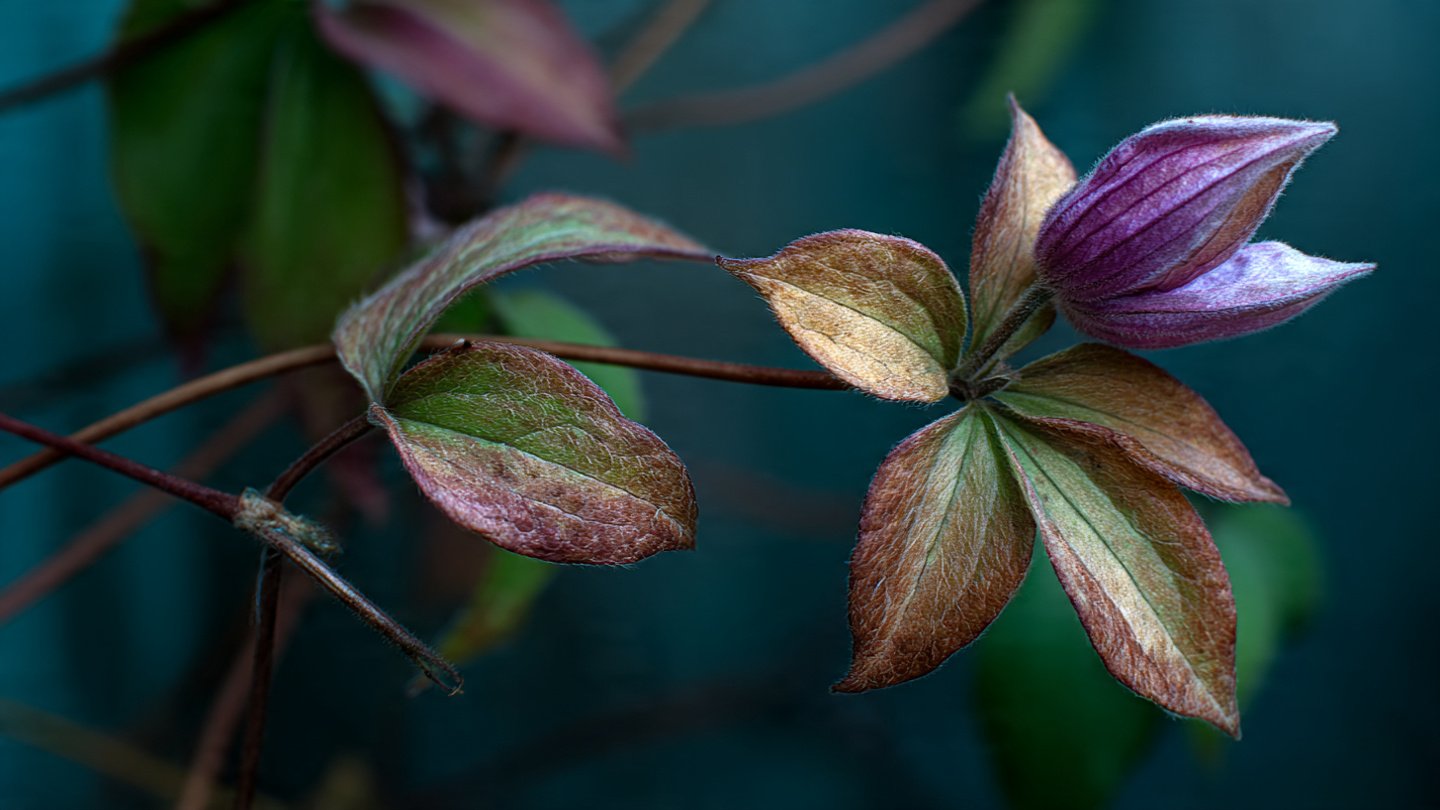
Clematis, known for their vibrant blooms and climbing ability, are a popular choice among gardeners. However, these beautiful plants can sometimes exhibit signs of distress, such as browning and wilting leaves. Identifying the underlying causes of this issue is essential for restoring the health of your clematis. In this article, we’ll explore the various reasons your clematis leaves might be turning brown and wilting, as well as actionable steps to remedy the situation.
1. Environmental Stress
Environmental factors play a significant role in the health of your clematis. Sudden changes in weather, temperature extremes, or inappropriate placements can lead to leaf wilting and browning. Here are some common environmental stressors:
- Heat Stress: Clematis may suffer when the temperature soars, particularly if they’re not adequately watered. Leaves may start to curl and turn brown as the plant conserves moisture.
- Cold Damage: Conversely, unexpected frosts can kill off new growth, leaving behind brown, wilted foliage.
- Sun Exposure: While some clematis varieties thrive in full sun, others prefer partial shade. Too much sun can scorch the leaves, resulting in browning.
2. Watering Issues
Watering practices are crucial for maintaining the health of your clematis. Both overwatering and underwatering can lead to problems.

- Overwatering: Consistently soggy soil can lead to root rot, a significant cause of wilting and browning leaves. The roots can’t absorb nutrients effectively, leading to overall plant decline.
- Underwatering: Conversely, insufficient watering during hot spells can stress the plant, leading to wilting and browning leaves. It’s crucial to balance the moisture levels in the soil.
3. Nutrient Deficiencies
Clematis plants require specific nutrients to thrive. A deficiency in essential nutrients can cause symptoms like browning leaves:
- Nitrogen Deficiency: Nitrogen is crucial for green leaf development. A lack of nitrogen can result in yellowing leaves that eventually turn brown, particularly at the tips.
- Iron Deficiency: This usually manifests as yellowing between the veins of young leaves, eventually causing browning as the leaves die.
4. Pests and Diseases
Clematis can fall prey to various pests and diseases that can significantly impact their health.

- Spider Mites: These tiny pests thrive in dry conditions and can cause leaf discoloration and wilting. Increased webbing on the plant may also indicate a spider mite infestation.
- Powdery Mildew: This fungal disease appears as white spots on the leaves and can cause wilting and browning if left untreated.
- Root Rot: Often caused by overwatering or poor drainage, this disease occurs when the roots become mushy and unable to support the plant, leading to wilting.
5. Soil Condition
The health of your clematis is also contingent on the quality of the soil:
- Poor Drainage: If soil doesn’t drain well, it can lead to waterlogged conditions that suffocate roots.
- Soil pH: Clematis prefer slightly acidic to neutral pH levels. A highly alkaline or acidic soil can lead to nutrient uptake issues, exacerbating the browning leaves.
6. Improper Pruning

Pruning is an essential part of clematis care. Improper pruning can stress the plant, as it may remove too much foliage or cut into old wood that produces blooms. This can lead to:
- Reduced Growth: Improperly pruned clematis may fail to produce new growth, leading to wilting and browning leaves.
- Increased Disease Risk: Damaged tissue from incorrect pruning may serve as an entry point for diseases.
7. Transplant Shock
If you’ve recently moved your clematis to a new location, it may experience transplant shock. Signs of this include:
- Browning leaves
- Wilting
- A general slowdown in growth

In this case, providing proper care post-transplant is vital for recovery.
Conclusion
Experiencing browning and wilting leaves on your clematis can be alarming, but by understanding the various factors that may contribute to this issue, you can take corrective action. Regularly check your plant’s environment, watering habits, soil quality, and overall care practices to ensure your clematis remains healthy and vibrant. Early detection and intervention are keys to managing the health of your clematis and ensuring they continue to thrive in your garden.
Frequently Asked Questions (FAQs)
1. Can I save my clematis if the leaves have turned brown?
Yes, you can often save a clematis with brown leaves by addressing the underlying issues promptly, such as adjusting watering practices and checking for pests or diseases.
2. How do I properly water my clematis?
Water at the base of the plant to avoid wetting the leaves, and ensure the soil is well-drained. Regularly check soil moisture; it should be damp but not soggy.
3. What type of soil does clematis prefer?
Clematis thrives in well-draining soil that is rich in organic matter. A slightly acidic to neutral pH is ideal for nutrient absorption.
4. When is the best time to prune my clematis?
Pruning time depends on the variety. Generally, late winter or early spring is best for most types. Familiarize yourself with your specific variety for optimal results.
5. Are there any preventative measures to avoid issues?
Yes! Regular monitoring, proper watering techniques, and maintaining soil health can greatly reduce the likelihood of your clematis experiencing browning and wilting.