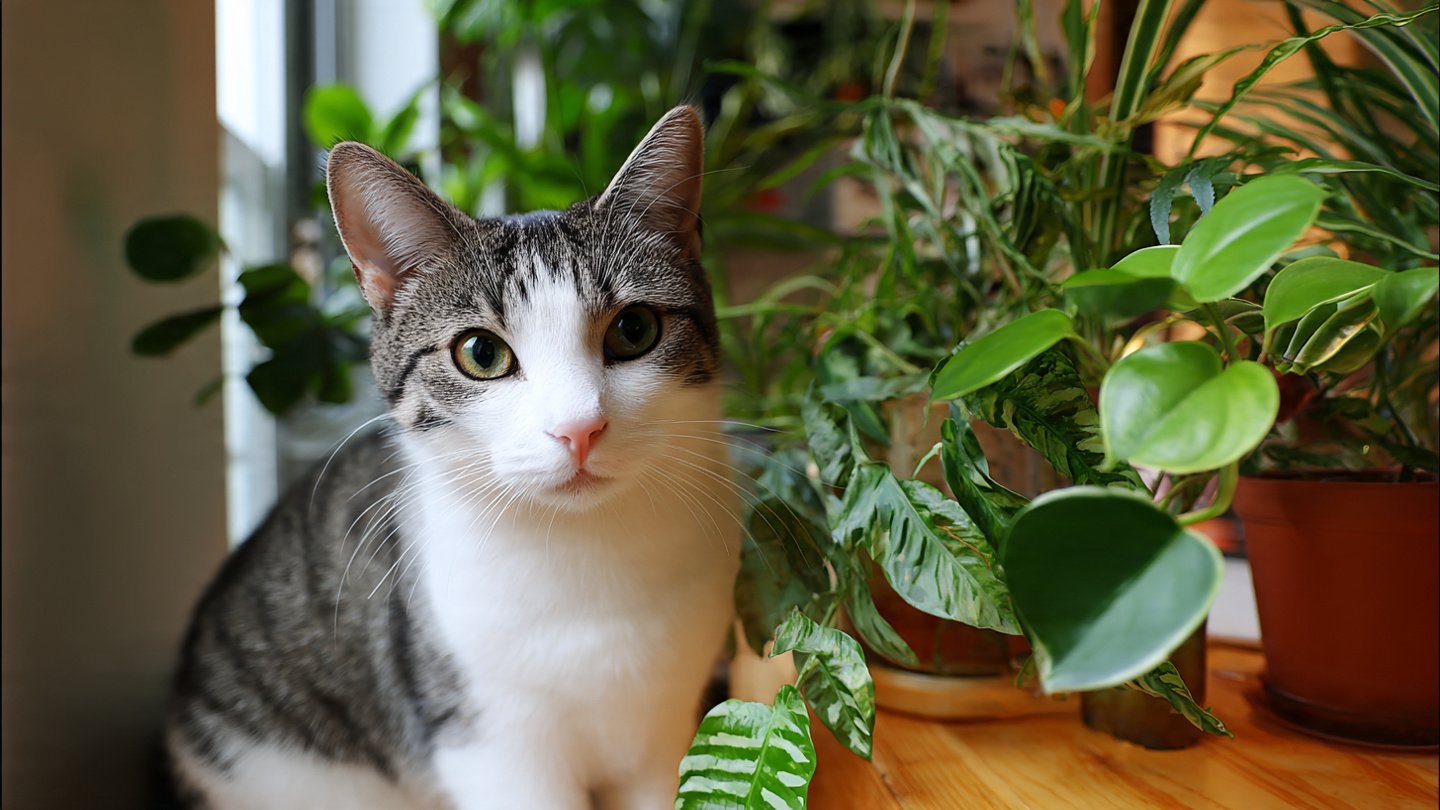
As a cat owner, you may find joy in decorating your home with indoor plants that add beauty and vibrancy to your living space. However, while many plants can enhance your home’s aesthetic, some can pose serious health risks to your feline friends. Cats are naturally curious animals that often explore their environment with their mouths. This can lead to unintentional ingestion of toxic substances, particularly from houseplants that might appear harmless. In this article, we will examine the various houseplants that are toxic to cats, the symptoms of poisoning, possible treatments, and preventative measures you can take to keep your curious feline safe.
Understanding Toxic Houseplants for Cats
It is essential to know which houseplants are safe and which are not. The degree of toxicity can vary from one plant to another, with some causing mild symptoms and others leading to severe health issues or even death. Below are some common toxic houseplants that you should be aware of:
Common Toxic Houseplants
- Lilies: All varieties of lilies, including daylilies, tiger lilies, and Easter lilies, are extremely toxic to cats. Even a small amount of pollen ingested can result in kidney failure.
- Philodendron: A popular houseplant, philodendrons contain calcium oxalate crystals that can cause severe irritation in the mouth, difficulty swallowing, and gastrointestinal issues.
- Dieffenbachia: Also known as dumb cane, dieffenbachia can cause similar symptoms to philodendrons, including swelling and pain in the mouth and throat.
- Snake Plant: Though low-maintenance, snake plants can cause nausea, vomiting, and diarrhea in cats if ingested.
- Aloe Vera: While commonly hailed for its medicinal properties for humans, aloe vera can lead to vomiting, diarrhea, and lethargy in cats.
- Dracaena: Multiple species of dracaena are toxic, causing vomiting, lack of appetite, and, in extreme cases, can be fatal.

Symptoms of Toxicity in Cats
If your cat has ingested a toxic plant, the symptoms can vary significantly depending on the type of plant involved and the quantity ingested. Below are some common signs of plant poisoning in cats:
- Vomiting: A common response, indicating that the body is trying to expel the toxins.
- Diarrhea: An upset stomach may lead to diarrhea, which can cause further dehydration.
- Salivation: Excess drooling may occur due to irritation of the mouth and throat.
- Lethargy: Cats may become unusually quiet and inactive, appearing weak and tired.
- Loss of Appetite: A cat may refuse to eat or drink due to discomfort.
- Tremors or Seizures: In severe cases, symptoms may escalate to neurological signs.

What to Do If Your Cat Ingests a Toxic Plant
If you suspect your cat has consumed a toxic houseplant, immediate action is crucial. Here are steps you should take:
1. Identify the Plant
Try to identify the toxic plant involved. Recognizing it can help you provide crucial information to your vet.
2. Observe Your Cat
Monitor your cat for any symptoms of toxicity. Keep track of the time of ingestion and the symptoms that arise.
3. Contact Your Veterinarian
Always consult your veterinarian, even if symptoms seem mild. They may recommend bringing your cat in for an examination or suggest treatments based on your cat’s condition and the plant ingested.

Preventative Measures
Taking proactive steps can help ensure your cat remains safe from the hidden dangers of toxic houseplants. Consider the following strategies:
- Research Before You Buy: Always research a plant’s toxicity before purchasing. Many resources are available to guide you on which plants are safe for cats.
- Opt for Cat-Friendly Alternatives: There are many non-toxic plants that can beautify your home, such as spider plants, Boston ferns, and cat grass.
- Secure Toxic Plants: If you choose to have toxic plants, consider placing them in areas inaccessible to your cat, such as high shelves or hanging planters.
- Teach Your Cat: Though it’s challenging, training your cat to avoid certain plants can be beneficial. Use positive reinforcement techniques to encourage good behavior.
Environmental Enrichment for Cats
Cats are natural explorers and require stimulation to keep them engaged. Providing alternative forms of entertainment can help divert their curiosity away from houseplants:
- Toys: Regularly rotate your cat’s toys to keep things interesting. Interactive toys can also stimulate their mind.
- Scratching Posts: Provide various scratching posts and surfaces to satisfy their instinctual behaviors.
- Cat Grass: Consider planting cat grass, a safe edible option that can keep them away from toxic plants.

Conclusion
As a cat owner, the safety and well-being of your furry friend should always be your top priority. Understanding the hidden dangers associated with toxic houseplants is essential in creating a safe home environment. By familiarizing yourself with which plants are hazardous and implementing preventative measures, you can minimize the risks while still enjoying the aesthetic benefits of indoor greenery. Remember, if you suspect your cat has ingested something toxic, quick action is imperative. With careful vigilance and proactive measures, you can ensure your home is safe for both you and your curious feline companions.
FAQs
1. What are some non-toxic houseplants I can keep with my cat?
Some safe options include spider plants, Boston ferns, and cat grass, which can provide interest without posing health risks.
2. How can I prevent my cat from chewing on houseplants?
Consider placing plants out of reach, using deterrent sprays, or providing alternative entertainment, such as toys and cat grass.

3. What should I do if my cat shows symptoms of poisoning?
Contact your veterinarian immediately, preferably with information about the plant suspected to have been ingested.
4. Are there any signs that indicate a plant is toxic?
Many toxic plants have specific characteristics; researching before purchase is essential. However, symptoms vary and may not be visible until after ingestion.
5. Can cats be allergic to houseplants?
Yes, cats can have allergies to certain plants, resulting in symptoms like itching, swelling, or respiratory issues. Consult a vet if you notice such signs.