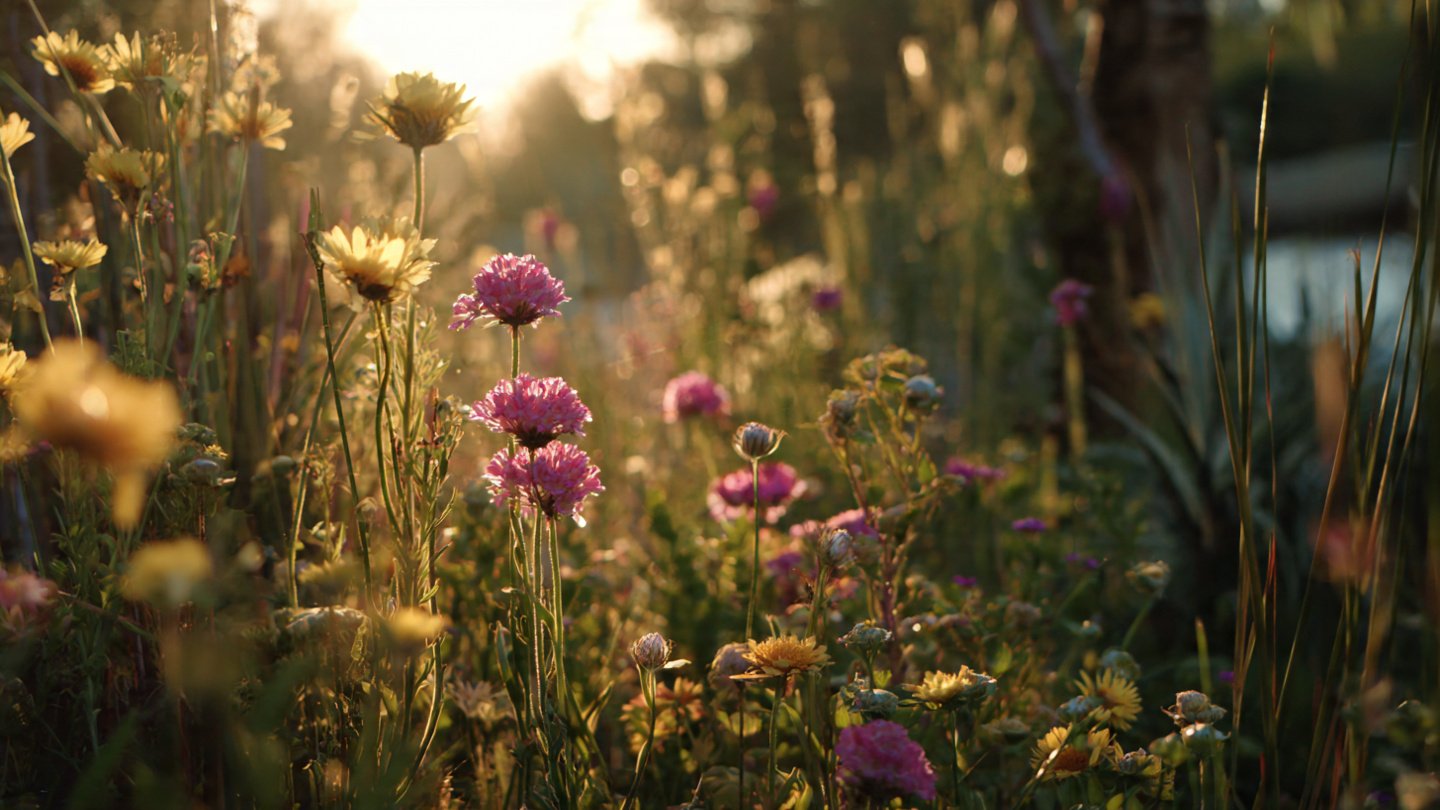
Growing beautiful flowers in sandy soil can be a rewarding venture, especially if you know the right techniques to enrich this type of soil. Sandy soil, characterized by its coarse texture and quick drainage, presents unique challenges for gardeners. However, with the right knowledge, you can transform your sandy garden into a vibrant floral display.
Understanding Sandy Soil
Sandy soil consists of large particles, allowing for excellent drainage but offering limited nutrients and moisture retention. This means that while sandy soil dries quickly after rain, it also requires diligent care to ensure plants get the necessary water and nutrients.
Benefits of sandy soil include:
- Quick drainage, preventing waterlogging.
- Easier to work and cultivate.
- Warm-up quickly in the spring, promoting earlier growth.
However, these advantages come alongside challenges, such as:
- Low nutrient content.
- Rapid evaporation of moisture.
- Limited ability to support plant roots.
Preparing Your Sandy Soil
Before planting, it’s crucial to prepare your sandy soil. Here are effective strategies to improve its structure and fertility:

1. Testing the Soil
Start with a soil test to determine its pH and nutrient levels. Most flowers thrive in soils with a pH between 6.0 and 7.0. Adjust your soil’s pH with lime (to raise it) or sulfur (to lower it) if necessary.
2. Adding Organic Matter
Incorporating organic matter is essential for enriching sandy soil. Compost, well-rotted manure, or peat moss can improve nutrient content and moisture retention. Aim for a mixture that contains at least 25% organic matter.
3. Incorporating Mulch
Applying a layer of organic mulch (such as wood chips or straw) helps retain moisture and regulate soil temperature. It also suppresses weeds, which can compete with your flowers for resources.
Selecting the Right Flowers
Choosing flowers that are well-suited for sandy soil is pivotal for successful gardening. Here are some top picks:
- Salvia: Drought-tolerant and available in various colors, salvia thrives in sandy conditions.
- Coreopsis: Known for its bright yellow flowers, coreopsis is also hardy and drought-resistant.
- Black-eyed Susans: These native wildflowers are beautiful and robust, thriving in well-drained soil.
- Lavender: Perfect for sandy soil, lavender not only adds beauty but also attracts pollinators.
- Echinacea: Also known as coneflower, it is drought-resistant and provides a lovely burst of color.
Watering Tips for Sandy Soil
Given its rapid drainage, watering techniques are essential for success in sandy soil. Follow these key strategies:

1. Deep Watering
Water deeply and less frequently. This encourages roots to grow deeper into the soil, making flowers more resilient to drought.
2. Early Morning Watering
Watering early in the morning minimizes evaporation. It also allows foliage to dry before nighttime, reducing the risk of mold and pests.
3. Using Soaker Hoses
Consider using soaker hoses to deliver water directly to the roots, minimizing waste and maximizing efficiency.
Fertilization Strategies
Sandy soil often lacks essential nutrients, so fertilization is critical. Here’s how to approach it:
1. Slow-Release Fertilizers
Using slow-release fertilizers can provide a steady supply of nutrients over time, reducing the risk of nutrient leaching.

2. Regular Feeding Schedule
Feed your flowers every 4-6 weeks during the growing season. A balanced formula (like 10-10-10) typically works best.
3. Organic Options
Organic fertilizers, such as fish emulsion or seaweed extract, can also be beneficial. They enhance soil health and promote strong growth.
Maintenance and Care
Regular maintenance ensures the long-term success of your flowers. Here are essential care tips:
1. Weeding
Weeds compete for nutrients and water. Regularly remove weeds by hand or with a hoe, especially early in the season.
2. Pruning
Prune dead flowers and foliage to encourage new blooms. This practice also helps keep plants tidy and reduces disease risks.
3. Pest Management
Monitor for pests frequently. Introduce beneficial insects like ladybugs or use organic insecticides to keep pests at bay. Always follow the instructions carefully when applying treatments.
Conclusion
Growing beautiful flowers in sandy soil is not only possible but can also be incredibly rewarding with the right preparation and care. By understanding the characteristics of sandy soil and implementing techniques such as enriching it with organic matter, choosing the right flowers, and employing effective watering and fertilization strategies, you can cultivate a garden brimming with vibrant blooms.
Remember that gardening is a journey of learning and adaptation. Don’t be afraid to experiment with different plants and methods; nature often surprises us with its resilience and beauty.
Frequently Asked Questions (FAQs)
1. Can I grow vegetables in sandy soil?
Yes, many vegetables, such as carrots, radishes, and potatoes, thrive in sandy soil. Just ensure you amend the soil with organic materials to improve nutrient content.
2. How often should I water flowers in sandy soil?
Ideally, water deeply once or twice a week, depending on rainfall and temperature. Monitor the soil’s moisture level to adjust your watering schedule accordingly.

3. How can I improve sandy soil over time?
Continuously adding organic matter, using mulch, and planting cover crops in your garden can gradually improve sandy soil’s structure and fertility.
4. Are there any flowers that should not be planted in sandy soil?
Avoid heavy feeders like hydrangeas or azaleas that thrive in rich, loamy soils. Instead, choose varieties that are adapted to sandy conditions.
5. How do I prevent erosion in sandy soil?
Planting ground covers, using mulch, and creating windbreaks can help prevent erosion in sandy areas. Regular watering also helps maintain soil structure.