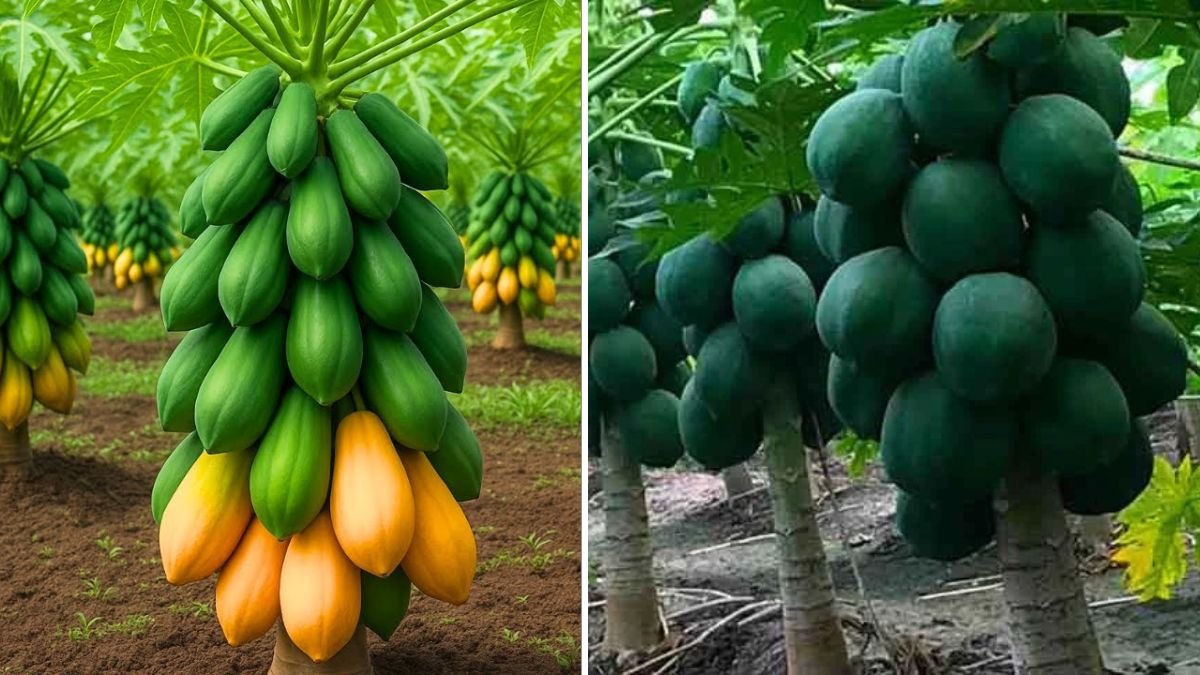
Growing bananas on papaya trees may sound unusual, but it is an innovative method to maximize space and yield. By combining these two tropical plants, gardeners can save space, produce fruit quickly, and enjoy a unique harvest. This technique utilizes natural plant support systems, reduces competition for sunlight, and encourages rapid fruiting. Additionally, this method is perfect for small gardens, balconies, or tropical regions where soil nutrients are limited. With proper care and understanding, anyone can try this technique. In this guide, we’ll explain step-by-step how to grow bananas on papaya trees.
Understanding the Concept
Papaya trees grow fast and produce soft, strong trunks. By planting banana seedlings around young papaya trees, gardeners create a natural support system. The banana plant benefits from partial shade during early growth, while the papaya benefits from shared nutrients. This creative pairing encourages a symbiotic relationship where both plants thrive together. The technique is often called “vertical companion planting” because it maximizes vertical garden space. The result? Healthier plants, faster growth, and multiple harvests in the same plot.
Choosing the Right Papaya and Banana Varieties
Success depends on selecting the correct varieties. Dwarf papaya varieties, such as “Red Lady” or “Sunrise Solo,” are ideal for small spaces. For bananas, choose compact types like “Dwarf Cavendish” or “Rajapuri.” These varieties adapt well to container planting and limited soil conditions. Additionally, dwarf bananas produce fruit faster than traditional tall varieties. Ensure both plants have similar water and sunlight requirements to prevent growth imbalance. Using compatible varieties increases the chances of success in this creative garden method.
Preparing the Soil
Healthy soil is critical for both papaya and banana growth. Use well-draining soil enriched with organic compost, sand, and a touch of clay. Ideal soil pH should be between 6.0 and 6.5. Papayas need loose soil for root expansion, while bananas prefer nutrient-rich layers. Adding compost improves soil aeration and retains moisture. A soil preparation table can help organize nutrient requirements:

| Plant Type | Nutrient Focus | Soil Type | Compost Amount |
|---|---|---|---|
| Papaya | NPK balanced | Loamy | 5–10 kg per tree |
| Banana | High potassium | Sandy loam | 10–15 kg per plant |
Planting Technique
Plant papaya seedlings first, allowing them to establish roots for 2–3 weeks. Then, plant banana saplings around the papaya at a safe distance of 30–40 cm. Ensure the banana does not overshadow the papaya. Water both plants immediately and mulch around the base to retain moisture. Proper spacing ensures that roots do not compete excessively and that sunlight reaches all parts of the plants. Vertical alignment maximizes sunlight exposure, encouraging faster growth and abundant fruit production.
Watering and Irrigation
Bananas and papayas require consistent moisture but dislike waterlogged soil. Drip irrigation is ideal for this combined planting. Water plants 2–3 times a week in dry seasons, and adjust based on rainfall. Mulching reduces evaporation, maintains soil temperature, and prevents root rot. Overwatering can harm papaya roots, while under-watering slows banana growth. Monitoring soil moisture daily ensures both plants thrive. Adding a slow-release fertilizer during watering encourages stronger stems and faster fruiting.
Fertilization Strategy
Bananas require potassium-rich fertilizer, while papayas benefit from nitrogen-rich feed. A balanced approach ensures both plants flourish. Use organic fertilizers like composted manure, coconut husk, and fish emulsion. Fertilize every 6–8 weeks. Avoid chemical overload, which can harm soil microbes. Here’s a fertilization schedule table:
| Month | Papaya Fertilizer | Banana Fertilizer |
|---|---|---|
| 1–2 | Nitrogen 5% | Potassium 5% |
| 3–4 | Balanced 5-5-5 | Balanced 5-5-5 |
| 5–6 | Nitrogen 5% | Potassium 5% |
Sunlight Requirements
Both plants require 6–8 hours of sunlight daily. Bananas can tolerate partial shade in early stages, but papayas grow best in full sun. Position the garden to ensure maximum light penetration. Avoid areas with tall structures that cast shadows. If grown in containers, rotate plants weekly to ensure even sunlight distribution. Proper sunlight is essential for photosynthesis, leaf growth, and fruit development. Creative planting allows bananas to benefit from partial shade provided by papaya leaves.

Pest and Disease Control
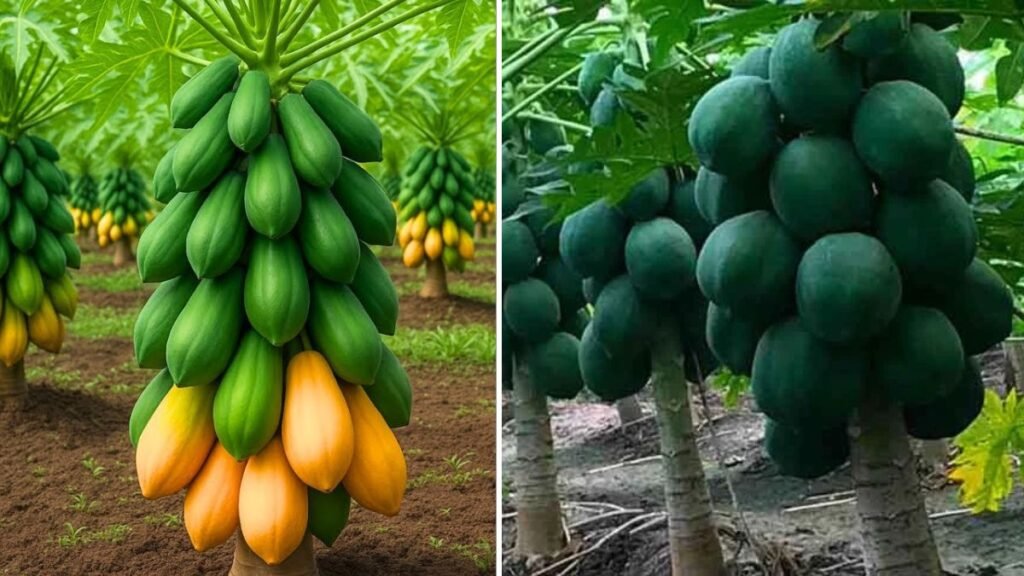
Common pests include aphids, mealybugs, and nematodes. Diseases like leaf spot or bacterial wilt can affect both plants. Regular inspection is key. Apply neem oil, garlic spray, or organic pesticides. Remove infected leaves promptly. Companion planting also reduces pest attacks by confusing insects. Proper hygiene and spacing prevent disease transmission between banana and papaya. Healthy plants reduce the need for chemical treatments and improve fruit quality.
Pruning and Maintenance
Regular pruning promotes air circulation and strong growth. Remove damaged or old leaves from papayas. Banana suckers should be trimmed to maintain 2–3 main stems. Proper pruning prevents overcrowding and ensures nutrient distribution. Staking papaya trees may be required during strong winds. Maintenance is essential for maximizing fruit production. A small investment in care results in healthier plants and larger harvests.
Pollination Tips
Papayas are mostly self-pollinating, but bananas rely on natural wind or manual pollination for better yield. Gently shake banana flowers or transfer pollen using a brush. Encourage bees and pollinators by planting flowering plants nearby. This creative combination attracts more pollinators and improves fruit set. Successful pollination ensures abundant harvests for both crops.
Expected Harvest Timeline
Papayas produce fruit within 6–9 months, while dwarf bananas take 9–12 months. By planting together, gardeners enjoy staggered harvesting. Early papaya harvest reduces stress on the soil, while bananas mature later. Vertical companion planting allows continuous production in limited space. With proper care, it is possible to harvest both fruits within the first year. This technique maximizes garden productivity and food security.

Tips for Container Gardening
This method works well in large containers. Use 50–100 liter pots for bananas and 40–60 liters for papayas. Ensure proper drainage by adding small stones or gravel at the bottom. Fertilize container soil more frequently, as nutrients leach quickly. Container gardening allows flexibility and portability. It is ideal for patios, terraces, or urban settings. Creative container arrangement can enhance garden aesthetics while providing nutritious fruit.
Soil Renewal and Mulching
Renew soil every 12 months to prevent nutrient depletion. Mulch with dried leaves, straw, or coconut husk. Mulching keeps roots cool, retains moisture, and suppresses weeds. Both plants benefit from organic mulch, which gradually decomposes and enriches soil. Soil management is crucial for long-term success in mixed planting. Healthy soil produces healthier, tastier fruits.
Maximizing Fruit Size and Quality
Banana and papaya quality improves with balanced fertilization and sufficient sunlight. Remove small or malformed fruits early to redirect energy. Proper watering and pruning ensure strong stems and larger fruits. Consistent monitoring prevents nutrient deficiency and enhances taste. This creative planting method produces fruits that are larger, sweeter, and more visually appealing.
Environmental Benefits
This method reduces land usage and encourages biodiversity. Companion planting minimizes soil erosion and promotes microclimate stability. It reduces chemical input, as healthier plants resist pests better. Vertical stacking of crops enhances oxygen production and supports local pollinators. Gardening creatively also reduces water and nutrient wastage. This environmentally friendly method is perfect for sustainable gardening enthusiasts.

Challenges and Solutions
Common challenges include competition for nutrients, uneven growth, or pest attacks. Ensure proper spacing, fertilization, and pest control. Adjust planting techniques based on regional climate. Container gardening reduces soil competition. Early intervention prevents major setbacks. Understanding these challenges ensures successful adoption of this creative gardening technique.
Creative Design Ideas
Pairing bananas with papayas creates a visually appealing tropical garden. Add flowering plants around the base for color and pollinator attraction. Use decorative pots or vertical stands to elevate banana plants. Garden design can incorporate walkways, benches, and small water features. Aesthetic appeal motivates gardeners to maintain plants regularly. Creativity in design combines functionality and beauty.
Conclusion
Growing bananas on papaya trees is an innovative, space-saving, and productive gardening technique. It allows for faster harvest, multiple crops, and sustainable food production. With proper planning, fertilization, pruning, and care, anyone can try this method. This creative approach not only increases yield but also transforms your garden into a tropical paradise. Experimenting with companion planting ensures long-term gardening success and abundant harvests.
