Cultivating a fruit garden is a rewarding endeavor, both for the joy of growing fresh produce and for the health benefits it provides. However, the onset of pests can often compromise this idyllic experience. Understanding how fruit plants attract pests is essential for effective pest management and for preserving the health of your garden. This article explores the various factors contributing to pest attraction, the pest behaviors, and strategies for mitigation.
1. The Basics: What Are Pests?
Pests are organisms that can negatively impact your plants, making them less productive or even causing them to die. This category broadly includes insects, fungi, bacteria, and mammals. In the context of fruit plants, insects like aphids, fruit flies, and caterpillars are the primary concern. Understanding the specific pest types can help tailor management strategies.
2. Key Factors That Attract Pests to Fruit Plants
a. Floral Attributes
Many insects are drawn to fruit plants due to their flowers. Flowers serve as a source of nectar and pollen, critical for pollinators’ survival. However, these same flowers can attract undesirable pests.
- Nectar and Pollen: Sweet nectar can lure honeybees and butterflies, but it’s also enticing for harmful insects like aphids and wasps. The presence of more blooms increases the likelihood of pest attraction.
b. Plant Health
Healthy, vigorous plants can sometimes attract pests more than unhealthy ones. This phenomenon occurs due to:

- Lush Foliage: Thriving plants tend to have a vibrant green foliage, which can attract herbivorous pests that are looking for nutritious options.
- Stress Signals: Stressed plants can emit volatile organic compounds (VOCs), signaling to pests that they are an easy target.
c. Host Plant Preferences
Many pests have specific plants they favor. For instance, fruit flies are particularly attracted to overripe or rotting fruit. Understanding the nuances of host preferences can help in selecting what to plant and when to manage the garden.
- Plant Variety: Different fruit plants may have varying susceptibility to pests. For example, tomatoes may attract spider mites, while strawberries might be prone to aphids.
d. Environmental Conditions
Environmental factors significantly influence pest attraction. Warm, humid weather often leads to an increase in pest populations.
- Temperature and Humidity: Optimal conditions for most pests occur in late spring and summer, where temperatures rise and humidity levels are appropriate for reproduction.
- Water Availability: Excess water can lead to waterlogged roots, which may make plants more prone to fungal infections and can attract pests seeking moisture.
3. The Role of Scent
Scent plays a pivotal role in how pests locate plants. Many pests have highly developed olfactory receptors that allow them to detect specific chemical signals released by plants.
- Allelochemicals: These chemical signals can attract beneficial insects like pollinators but may also lure their predators and parasites. Some pests can be particularly sensitive to the aroma of plant metabolites, making certain fruits particularly attractive.
- Fermentation: Overripe or rotting fruits emit volatile compounds like ethanol, which can attract fruit flies and other pests.
4. Waste Management and Pest Attraction
Poor waste management in gardens can unwittingly attract pests.

- Rotting Fruits and Vegetables: Leaving fallen fruits or vegetables on the ground provides a breeding ground for pests. It’s essential to keep the garden clean and promptly dispose of any waste.
- Compost Practices: While composting can be beneficial, improperly maintained compost piles can attract rodents and other pests. Keeping these areas well-aerated and turning the compost regularly can mitigate this issue.
5. Behavioral Strategies of Pests
Understanding pest behavior can offer insights into how they find and choose plants.
a. Visual Cues
Certain colors or shapes can attract pests. For instance:
- Bright Colors: Many insects are attracted to bright colors, as these can signify blooming flowers or ripe fruits.
- Movement: The movement of certain foliage can also simulate the presence of food sources, drawing pests in.
b. Feeding Behaviors
The feeding habits of pests can affect how they interact with fruit plants.
- Leaf Piercing: Insects like aphids pierce plant tissues to extract fluids, potentially weakening the plant and making it more susceptible to further infestations.
- Boring Insects: Some pests, like the peach tree borer, can burrow into the plant, causing significant damage as they feed on the inner tissues.
6. Pest Lifecycle and Reproduction
Pests reproduce quickly; a single female can lay hundreds of eggs, leading to sudden population explosions.

- Seasonal Cycles: Many pests have cyclical life stages that correspond to seasonal changes, making it critical to understand their lifecycle to predict when infestations may occur.
- Overwintering: Some pests survive winter in eggs or larvae stages. Recognizing these stages allows gardeners to implement preventative measures early in the season.
7. Integrated Pest Management (IPM)
Implementing an integrated pest management (IPM) strategy is crucial for effectively dealing with pests without resorting to harmful chemicals.
a. Cultural Practices
Cultural practices involve modifying the growing environment to make it less hospitable to pests.
- Crop Rotation: Rotating crops can prevent pests from establishing in a specific area.
- Companion Planting: Some plants repel pests when planted alongside fruit plants. For example, marigolds can deter aphids and nematodes.
b. Biological Control
Encouraging natural predators can help control pest populations.
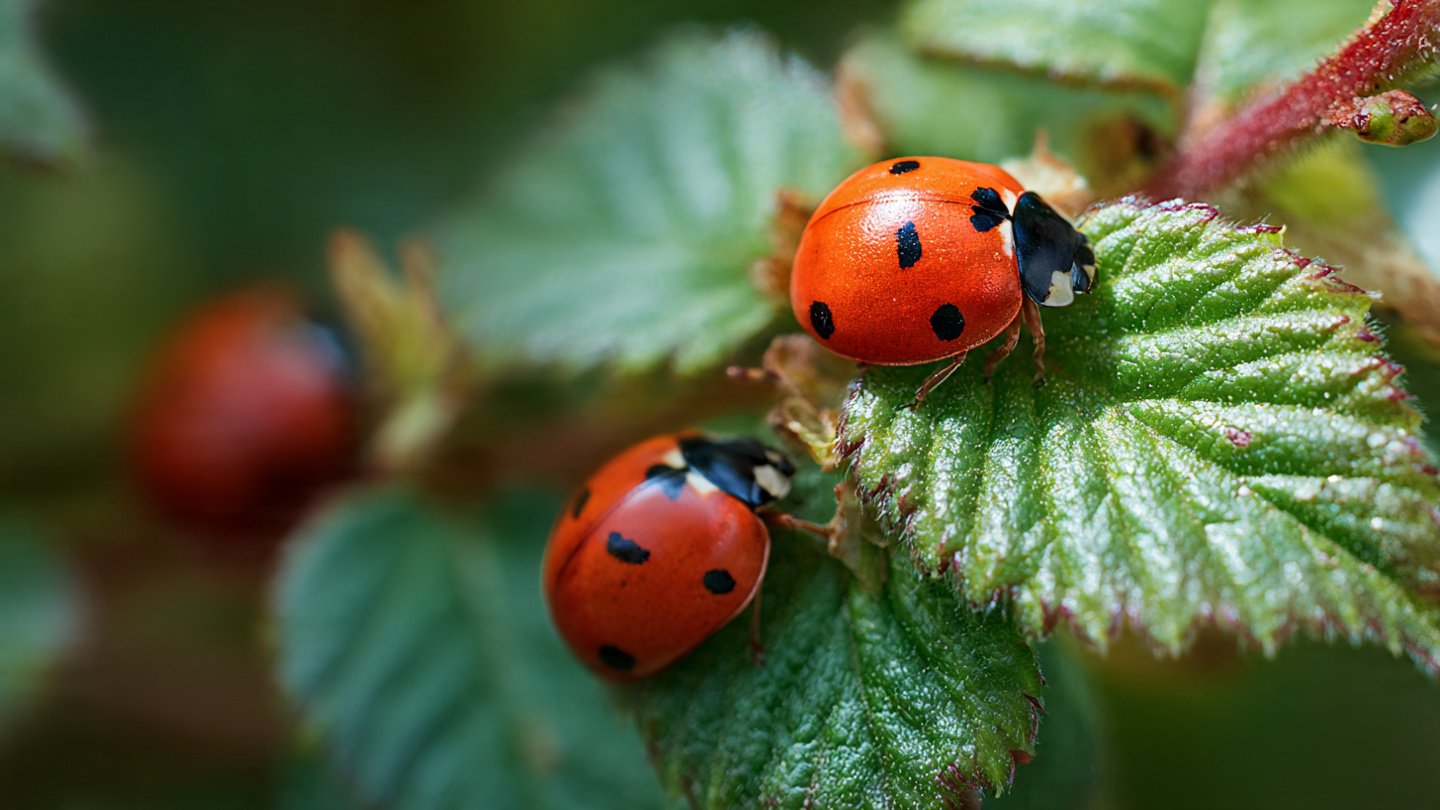
- Beneficial Insects: Ladybugs, lacewings, and parasitic wasps can all help keep pest numbers in check.
- Habitat Enhancement: Providing habitats for these beneficial insects, such as flowering plants and undisturbed garden areas, can enhance their populations.
c. Chemical Control
While chemical controls should be a last resort, sometimes they are necessary.

- Natural Pesticides: Opting for organic pesticides can minimize adverse effects on beneficial species and the environment. Neem oil and insecticidal soaps can be effective without causing significant harm.
- Targeted Treatments: Applying pesticides during specific life stages (e.g., nymphs or adults) can maximize effectiveness while minimizing broader impacts.
8. Educational Resources and Community Involvement
Knowledge is power when managing pests in fruit gardens.
- Community Workshops: Local gardening clubs or cooperative extensions often provide resources and workshops on pest identification and management strategies.
- Online Resources: Websites and platforms dedicated to gardening can also offer valuable insights into specific pests and their management.
9. Conclusion
Managing pests in a fruit garden requires a comprehensive understanding of how fruit plants attract these unwanted visitors. From the floral attributes to environmental conditions, a multitude of factors can contribute to pest presence. By employing strategies such as cultural practices, biological control measures, and integrated pest management techniques, gardeners can protect their plants while maintaining a healthy ecosystem.
Understanding pest attraction not only enhances your gardening success but also fosters a more harmonious relationship with nature—where both plants and beneficial insects thrive. Happy gardening!
