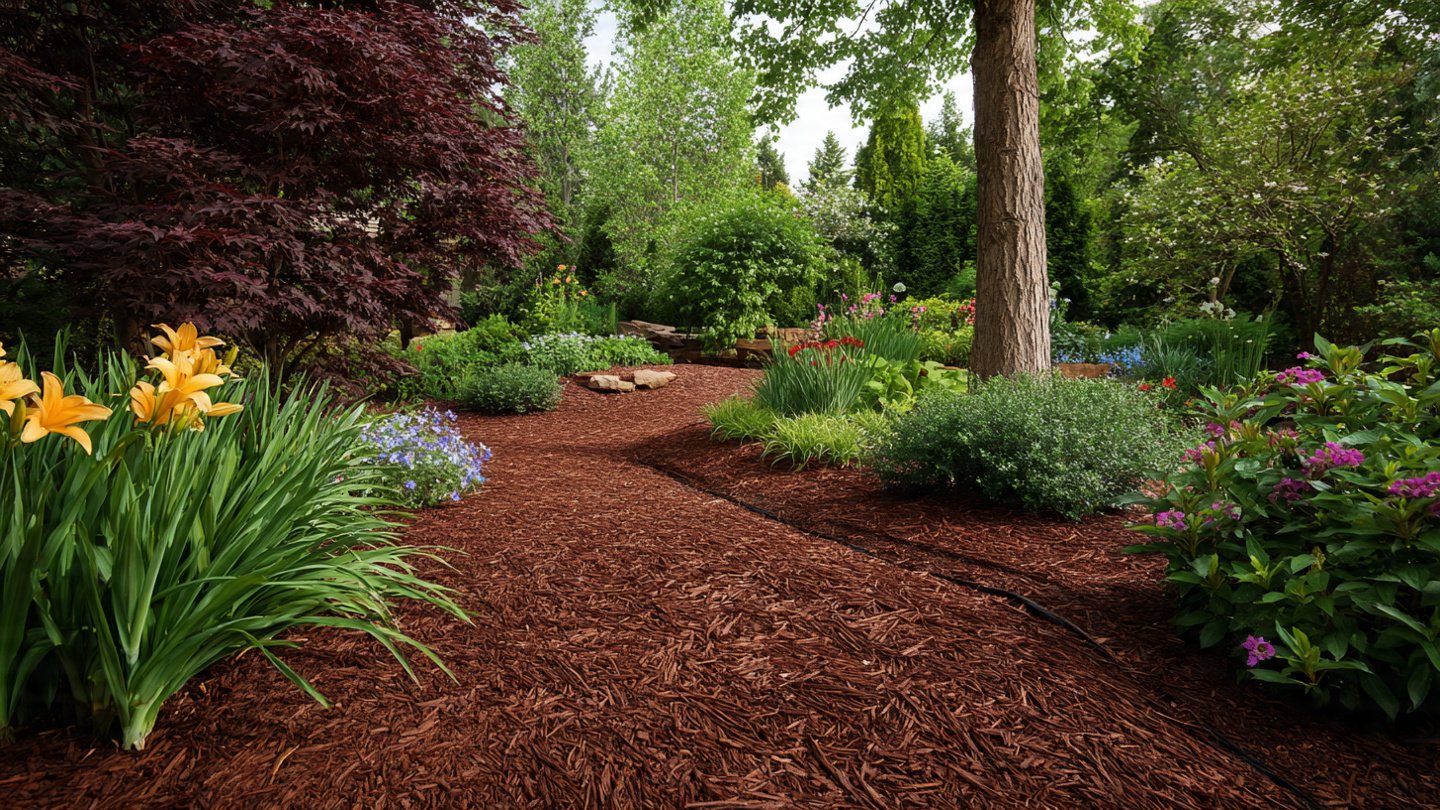
Garden mulch is often considered a simple gardening tool, used primarily for its aesthetic appeal and functional benefits. While it serves many purposes, from moisture retention to weed suppression, not all mulch types are benign. Certain types can pose hidden risks that may affect plant health, soil quality, and even the surrounding ecosystem. This article aims to delve into the various types of garden mulch, highlighting their potential drawbacks, and offering safer alternatives.
Common Types of Garden Mulch
Understanding the different types of garden mulch is crucial. Here are some commonly used types:
- Wood Chips and Bark: Often derived from tree trimmings and other wooden materials, these mulches are popular for their natural look.
- Straw and Hay: These organic materials provide excellent moisture retention and improve soil fertility.
- Rubber Mulch: Made from recycled tires, rubber mulch is durable and does not decompose.
- Gravel and Stone: Non-decomposable and effective for drainage, gravel is often used in ornamental gardens.
- Compost: This nutrient-rich option improves soil health but can harbor pathogens if not properly processed.
Wood Chips and Bark: Hidden Issues

While wood chips and bark are widely used for their aesthetic qualities and ability to regulate soil temperature, they come with hidden risks:
- Contamination with Pesticides: If not sourced from organic wood, these mulches may be treated with harmful chemicals that can leach into the soil.
- Attracting Pests: Decaying wood can attract unwanted insects and pests, including termites and wood-boring beetles.
- Carbon Sink Depletion: As wood chips decompose, they absorb nitrogen from the soil, which can deplete nitrogen levels essential for plant growth.
Straw and Hay: Misunderstandings and Risks
Both straw and hay can be beneficial but come with their own challenges:
- Weed Seed Contamination: Hay, in particular, may contain seeds that can germinate, leading to a weeds infestation.
- Nutrient Imbalance: While they add organic matter to your soil, excessive use can create nitrogen deficiencies as they break down.
- Rodent Attraction: These materials can provide excellent nesting sites for rodents, which may also deter beneficial wildlife.

Rubber Mulch: Environmental Concerns
Rubber mulch offers durability and does not decompose, making it an attractive option for many gardeners. However, it also poses several environmental risks:
- Toxic Chemicals: Made from recycled tires, rubber mulch may leach out harmful chemicals such as zinc and lead into the soil.
- Temperature Regulation: Rubber absorbs heat, raising soil temperatures, which can stress plant roots.
- Microbial Activity Disruption: The presence of synthetic materials can negatively affect beneficial microorganisms in the soil.
Gravel and Stone: The Aesthetic Choice
Gravel and stones are popular for achieving a clean look in gardens, but they come with their downsides:
- Soil Erosion: They do not retain moisture well, leading to increased evaporation and potential soil erosion.
- Heat Retention: Stones can absorb and hold heat, which might harm plants during extreme weather conditions.
- pH Imbalance: Certain types of stone can alter the pH levels in the soil, affecting plant growth negatively.

Compost: The Double-Edged Sword
Compost is known for enriching soil but requires careful management:
- Pathogen Risk: Inadequately processed compost can harbor pathogens, affecting plant health and potentially causing diseases.
- Nutrient Overload: Excessive application of compost can lead to nutrient imbalances in the soil.
- Overly Acidic Conditions: Some composts may alter soil pH and create overly acidic conditions for some plants.
Conclusion
While mulch serves important functions in gardening, it’s crucial to understand the hidden risks associated with popular mulch types. Whether it’s wood chips, straw, rubber mulch, gravel, or compost, each has its unique drawbacks that can significantly impact plant health, soil quality, and the local ecosystem. To maximize benefits while minimizing risks, consider alternatives such as organic mulch from clean sources, well-aerated compost, or other biodegradable materials. Being informed empowers gardeners to make decisions that foster healthy, sustainable gardens.
FAQs

What is the best mulch type for vegetable gardens?
Organic mulches such as straw, shredded leaves, or grass clippings are generally the best options, as they provide nutrients while reducing weed growth.
Can I use colored mulch in my garden?
While colored mulch can be visually appealing, ensure it comes from a safe, non-toxic source. Some dyes can leach into the soil and affect plant health.
How thick should mulch be applied?
A layer of 2 to 4 inches is typically recommended, depending on the mulch type. This thickness helps retain moisture while suppressing weeds effectively.
Is it safe to use rubber mulch around edible plants?

Using rubber mulch around edible plants may pose health risks due to potential chemical leaching. It’s generally safer to choose natural organic options.
How often should I replace my mulch?
Mulch generally needs to be replenished every year or two, depending on its rate of decomposition and the specific mulch type used.