Growing eggplant and carrots together at home sounds impossible, but it works surprisingly well. These vegetables complement each other when planted correctly. Eggplants grow above ground, while carrots develop underground, maximizing space use. This method is perfect for balconies, rooftops, and small yards. With the right containers, soil mix, and care, you can harvest both vegetables from the same setup. Home gardeners love this technique because it saves space and effort. It also produces fresh, chemical-free vegetables. This article explains the complete process step by step.
Why Grow Eggplant and Carrots Together
Eggplants have deep roots but spread vertically, while carrots grow straight down. They do not compete heavily for nutrients. This pairing improves soil efficiency. Carrots benefit from partial shade provided by eggplant leaves. Eggplants enjoy loose soil prepared for carrots. The combination reduces weed growth. It also increases total yield from one container. Companion growing like this is ideal for small spaces.
Best Varieties for Combined Growing
Choose compact eggplant varieties with manageable growth. Long, straight carrot varieties work best in containers. Avoid overly bushy eggplants. Fast-growing carrots mature before eggplants need full nutrients. Disease-resistant varieties reduce maintenance. Proper selection ensures both vegetables thrive. Choose seeds suitable for container gardening. Quality seeds greatly affect success.
Recommended Varieties for Home Containers

| Vegetable | Variety Type | Reason |
|---|---|---|
| Eggplant | Compact or dwarf | Saves space |
| Carrot | Long straight type | Grows well in containers |
Choosing the Right Containers
Large, deep containers are essential. Depth supports carrot root growth. Width allows eggplant roots to spread. Use plastic tubs, buckets, or grow bags. Ensure drainage holes at the bottom. Containers should be at least thirty centimeters deep. Light-colored containers reduce heat stress. Recycled containers work perfectly if cleaned properly.
Preparing the Perfect Soil Mix
Loose soil is critical for carrots. Eggplants also prefer fertile, airy soil. Mix garden soil, compost, and sand evenly. Coco peat improves moisture retention. Avoid stones or hard lumps. Well-prepared soil ensures straight carrots and healthy eggplants. Organic compost adds nutrients naturally. Soil quality directly impacts yield.
Planting Layout Strategy
Plant eggplant in the center of the container. Sow carrot seeds evenly around it. Maintain proper spacing. This layout allows carrots to grow undisturbed. Eggplant roots grow deeper and wider. The arrangement maximizes space usage. Proper layout prevents overcrowding. Balanced planting ensures healthy growth for both crops.
Sowing and Transplanting
Start carrot seeds directly in the container. Transplant eggplant seedlings carefully. Avoid disturbing carrot seed rows. Water gently after planting. Keep soil moist but not soggy. Early care determines success. Transplant during mild weather. Strong seedlings establish faster.

Sunlight Requirements
Both vegetables need good sunlight. Six to eight hours daily is ideal. Place containers where they receive morning sun. Eggplants love warmth. Carrots tolerate partial shade. Rotate containers if sunlight is uneven. Proper light improves growth and flavor. Sun exposure directly affects yield.
Watering Schedule
Consistent watering is essential. Carrots need evenly moist soil. Eggplants require deeper watering. Avoid waterlogging to prevent root rot. Water early in the morning. Mulching helps retain moisture. Check soil regularly. Balanced watering prevents cracking and bitterness.
Fertilizing for Dual Crops
Eggplants are heavy feeders. Carrots need moderate nutrients. Use organic compost tea every two weeks. Avoid excess nitrogen, which affects carrots. Potassium improves eggplant flowering. Balanced feeding supports both crops. Natural fertilizers work best. Proper nutrition ensures strong growth.
Simple Fertilizer Guide

| Crop | Nutrient Focus |
|---|---|
| Eggplant | Potassium and nitrogen |
| Carrot | Low nitrogen, balanced minerals |
Mulching Benefits
Mulching keeps soil cool and moist. It prevents weed growth. Organic mulch improves soil structure. Straw or dry leaves work well. Mulch protects carrot tops from sunlight. It also supports eggplant roots. Mulching reduces watering needs. It improves overall soil health.
Pest Control Naturally
Eggplants may attract aphids and beetles. Carrots face root pests. Neem oil is effective and safe. Inspect leaves regularly. Remove affected parts immediately. Companion planting reduces pest pressure. Clean containers prevent infestations. Healthy plants resist pests better.
Disease Prevention Tips
Good airflow prevents fungal diseases. Avoid wetting leaves excessively. Use clean tools. Rotate crops each season. Healthy soil prevents root diseases. Remove diseased plants quickly. Containers reduce soil-borne problems. Prevention is always easier than treatment.
Supporting Eggplant Growth
Eggplants need support as they grow. Use small stakes or sticks. Support prevents stem breakage. It also improves air circulation. Supported plants bear heavier fruit. Keep supports stable. Avoid damaging roots. Proper support increases yield.
Carrot Growth Monitoring
Thin carrot seedlings early. This prevents overcrowding. Remove weak seedlings carefully. Maintain loose soil surface. Avoid disturbing roots. Carrots grow straight in well-prepared soil. Consistent moisture ensures sweetness. Healthy tops indicate strong roots.
Flowering and Fruit Development
Eggplants flower after strong vegetative growth. Healthy flowers lead to better fruit. Carrots focus on root development. Avoid letting carrots bolt. Balanced care supports both crops. Flower health impacts yield. Nutrients play a key role. Monitor growth stages closely.
Harvesting Carrots
Carrots are ready when tops are thick. Loosen soil gently before pulling. Harvest gradually as needed. Young carrots are sweeter. Avoid damaging eggplant roots while harvesting. Freshly harvested carrots taste best. Proper timing improves quality. Harvesting encourages space for remaining roots.
Harvesting Eggplants
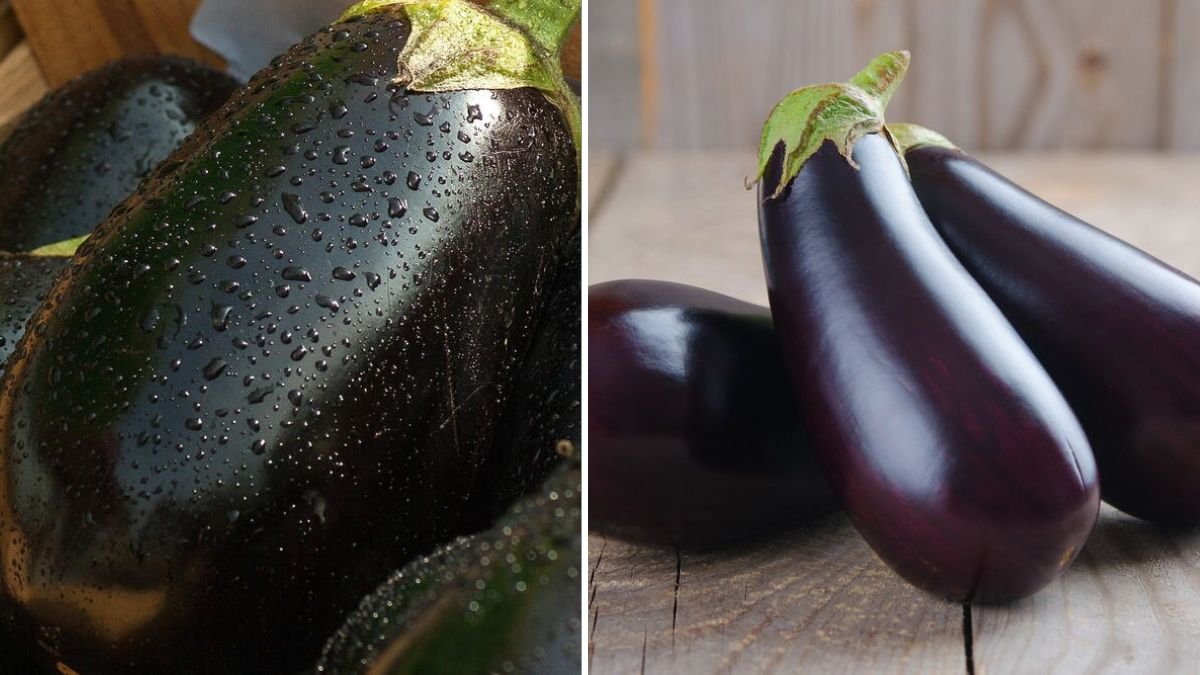
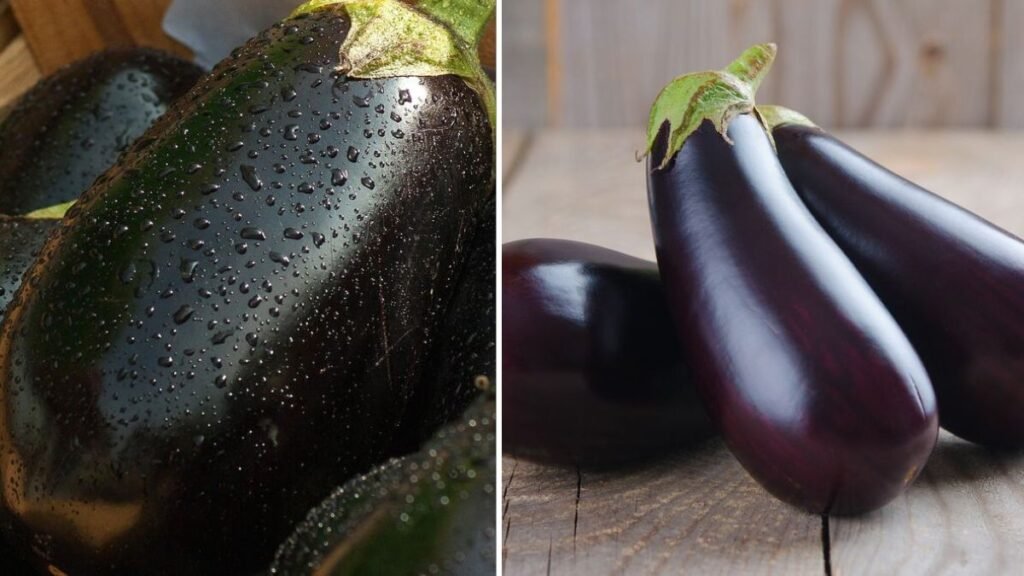
Pick eggplants when shiny and firm. Overripe fruits become bitter. Use clean scissors. Regular harvesting encourages more fruit. Handle gently to avoid damage. Morning harvest is best. Healthy plants produce continuously. Proper harvesting improves yield.

Expected Yield at Home
One container can produce multiple eggplants. Carrots yield steadily over weeks. Combined growing maximizes productivity. Yield depends on care and variety. Small spaces produce surprising amounts. Proper techniques increase harvest. Homegrown vegetables taste better. Productivity improves with experience.
Environmental Benefits
This method saves space and water. Reuses containers efficiently. Reduces grocery dependency. Produces chemical-free food. Encourages sustainable living. Ideal for urban homes. Improves food security. Gardening reduces household waste.
Conclusion
Growing eggplant and carrots together at home is a smart, space-saving method. With proper soil, layout, and care, anyone can succeed. This unbelievable technique delivers fresh vegetables from small spaces. It is perfect for balconies, rooftops, and patios. Home gardeners can enjoy high yields with minimal effort.